
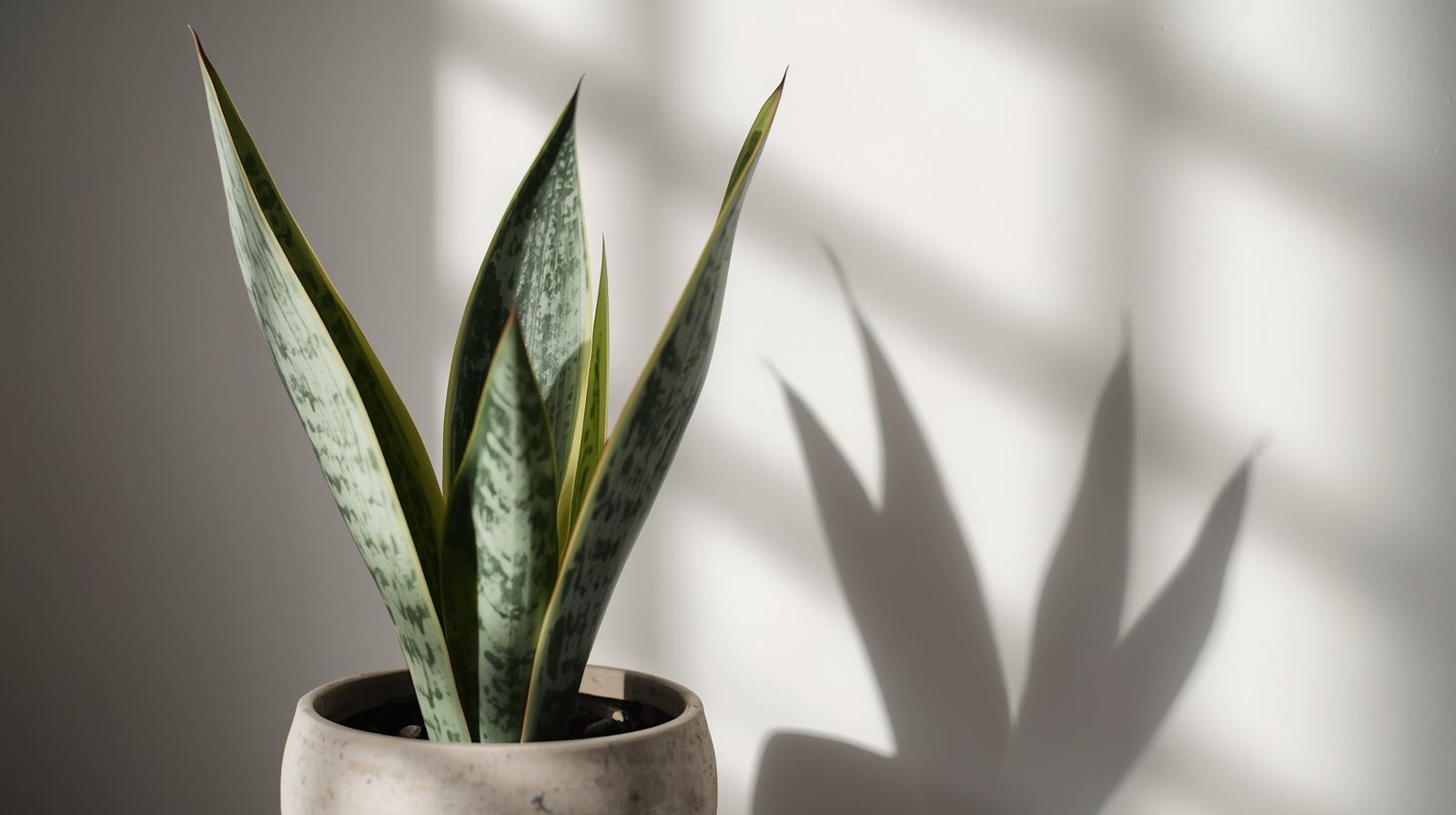
Time moves differently in the presence of a Sansevieria. While the world outside races toward dawn or dusk, this quiet sentinel in your bedroom breathes with the steadiness of stone—yet it lives, pulses, and purifies. In its upright blades, there is no urgency, only resilience. And in that stillness, it offers something rare: the gift of deeper sleep, not through noise or novelty, but through silent, oxygen-rich constancy.
The Stoic Presence: A Plant That Keeps Vigil
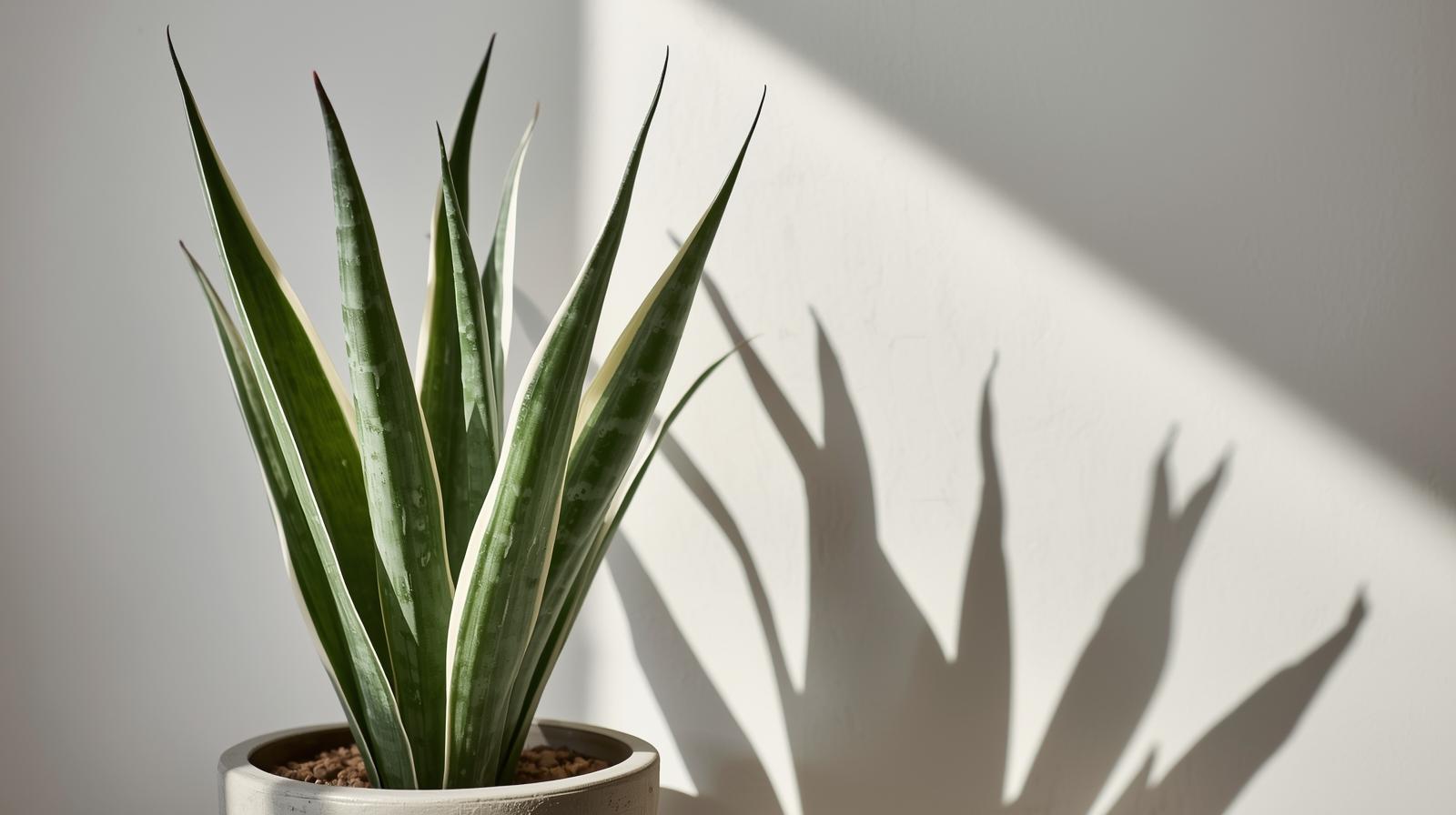
There is a dignity in the way a Snake Plant holds itself—erect, unyielding, yet never imposing. Its sword-like leaves rise with quiet authority, not to command attention, but to mark a boundary between chaos and calm. In West African folklore, where Sansevieria originates, it was believed to ward off evil spirits. Today, its guardianship is subtler: it watches over the threshold between wakefulness and rest.
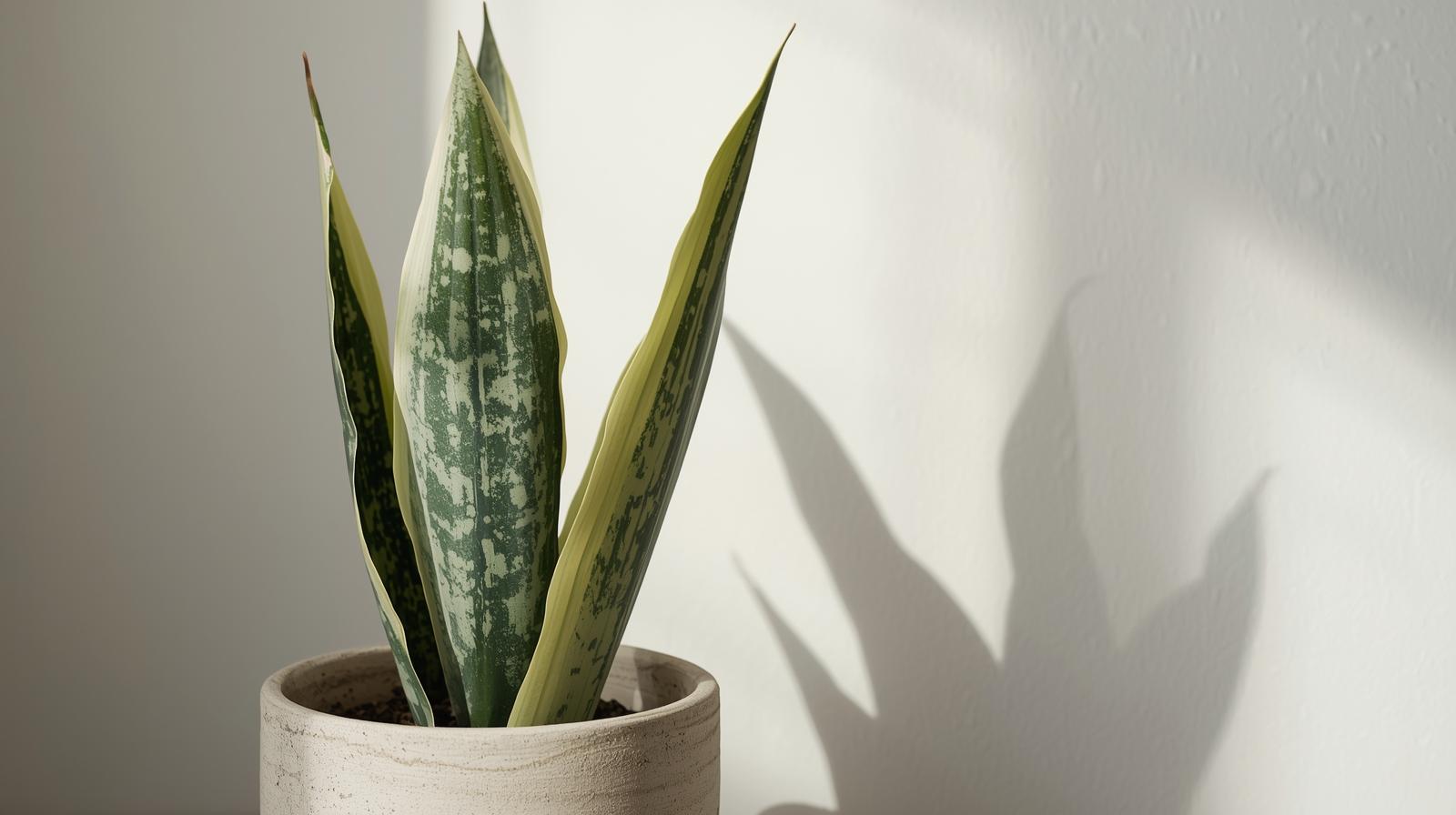
Unlike more flamboyant houseplants that bloom and fade, the Snake Plant endures. It does not seek validation through flowers or rapid growth. Its beauty lies in its restraint—a quality increasingly rare in interiors saturated with visual noise.
“Adopt the pace of nature: her secret is patience.” — Ralph Waldo Emerson
Botanical Origins and the Myth of Invincibility
Native to the dry savannas of Nigeria and the Congo Basin, Sansevieria evolved in harsh, sun-scorched soils where water was scarce and survival demanded efficiency. Its thick, waxy leaves store moisture; its shallow roots spread wide rather than deep. These adaptations explain its modern reputation for toughness—but not immortality.
Overcare, not neglect, is its undoing. A well-meaning caretaker who waters weekly, misting out of habit or placing it in direct southern sun, may unwittingly invite rot or scorch. The plant thrives not because it tolerates abuse, but because it asks for so little—and respects those who listen.
Breathing with the Night: The Science of Restful Air
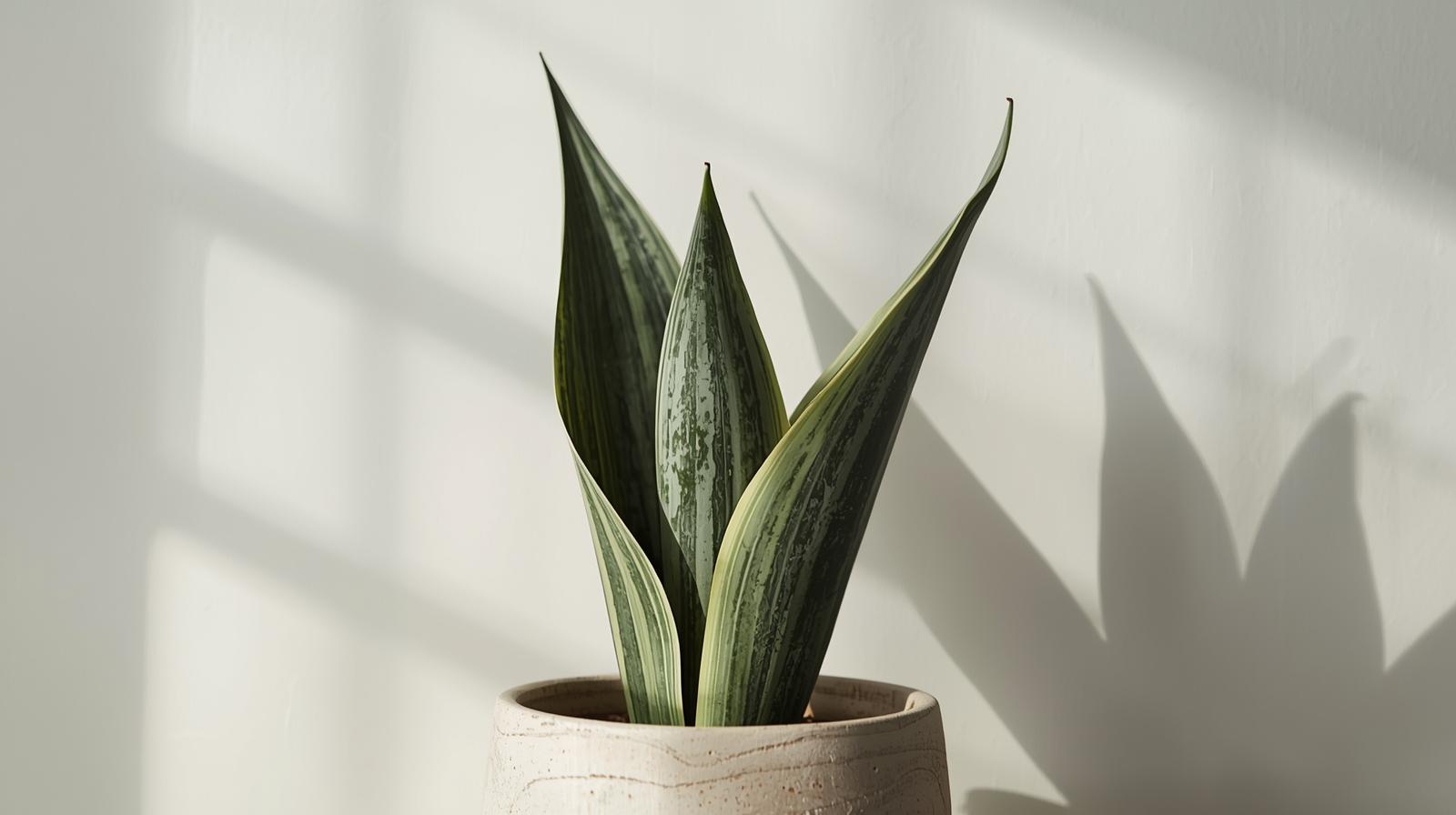
Most plants inhale carbon dioxide and exhale oxygen during daylight hours. Sansevieria reverses this rhythm. Through a process called Crassulacean Acid Metabolism (CAM), it opens its stomata at night, drawing in CO₂ and releasing pure oxygen into the air you breathe as you sleep.
This quiet exchange doesn’t cure insomnia, but it contributes to a microclimate of calm. In a bedroom sealed against city sounds or summer heat, the Snake Plant becomes a silent collaborator in rest—its presence felt not in spectacle, but in the quality of the air itself.
This nocturnal rhythm aligns with the principles explored in bedroom-plants-sleep, where botanical companionship supports circadian harmony without intrusion.
Placement as Intention: Where to Position Your Guardian
Choose a spot where light is soft but present—a north-facing corner, beside a linen-draped bed, or atop a low oak dresser. Avoid direct sun; even an hour of harsh afternoon rays can bleach or blister the leaves. Instead, let it live in the gentle glow of indirect daylight, where its vertical lines echo the quiet geometry of your space.
Give it room to breathe. Crowding it among trinkets or other foliage dilutes its presence. Like the Japanese concept of Ma—the beauty of negative space—the Snake Plant thrives in emptiness. For those curating a dimly lit retreat, its tolerance makes it a cornerstone of low-light-sanctuaries.
The Ritual of Minimal Care
Caring for a Snake Plant is less chore than meditation. Water only when the soil is dry two inches down—roughly every three to six weeks, depending on season and humidity. When you do, pour slowly until the pot feels heavy, then let it drain completely. Never let it sit in water.
Use a soil mix that mimics its native grit: two parts cactus blend, one part perlite, one part coarse sand. Repot only when roots press against the container’s seams—every two to three years, if at all. And once a month, wipe each leaf with a damp cloth. Not to clean, but to acknowledge: this is a living thing, not a sculpture.
Reading the Leaves: Signs of Quiet Distress
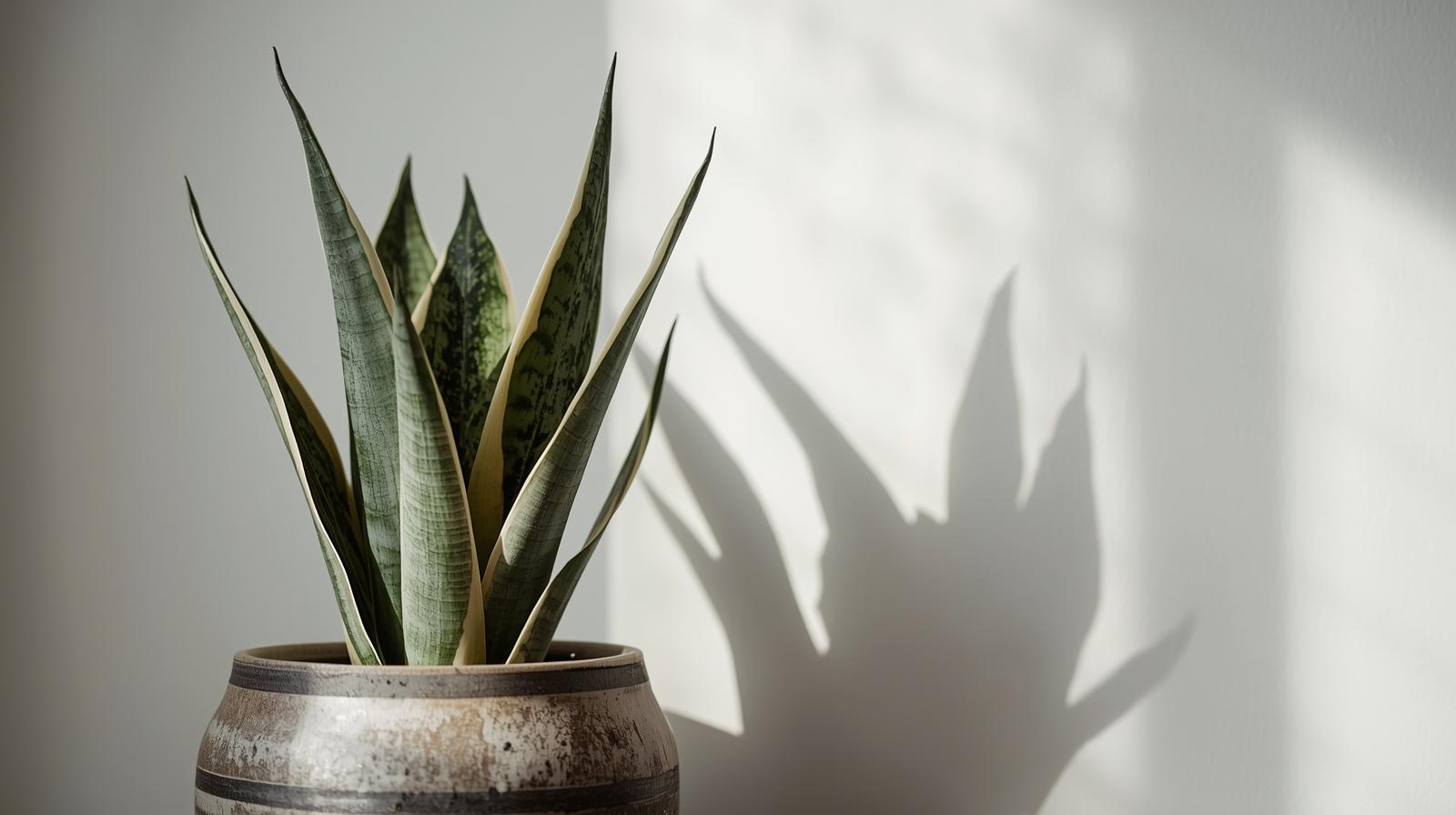
Sansevieria speaks in subtleties. A yellowing base leaf often signals overwatering; brown, crispy tips may point to fluoride in tap water (switch to filtered or rainwater). If the plant leans or softens, it’s reaching—gently—for more light.
- Yellow leaves: reduce watering, check drainage.
- Brown tips: avoid tap water, increase humidity slightly.
- Floppy growth: move to brighter, indirect light.
Changes unfold slowly. This is not a plant that panics. It waits, patiently, for you to notice.
A Companion, Not a Decoration
In an age of fleeting trends, the Snake Plant offers continuity. It doesn’t demand admiration, bloom on schedule, or perish if you travel. It simply remains—steady through seasons of stress, relocation, or emotional turbulence. For those returning to plant care after loss, or tending a space that feels unstable, its resilience is a quiet reassurance.
Its unassuming strength makes it a natural anchor in a designing-zen-corner, where stillness is cultivated through restraint. Unlike more delicate species, its endurance allows it to thrive in the quiet corners described in low-light-sanctuaries. And for those deepening their nighttime ritual, it complements the broader ethos of bedroom-plants-sleep without competing for attention.
Common Questions
Can Snake Plants really improve sleep?
Indirectly, yes. By releasing oxygen at night and subtly improving air quality, they contribute to a calmer bedroom environment—though they’re not a substitute for consistent sleep hygiene.
Are they safe around pets?
Sansevieria contains saponins, which can cause mild gastrointestinal upset in cats or dogs if ingested. Place it out of reach if your companion is a curious chewer.
Why is my Snake Plant not growing?
Growth slows in low light or cool temperatures. In winter, dormancy is normal. In spring, ensure it receives bright, indirect light and a single diluted dose of balanced fertilizer.
Can I keep it in a windowless bedroom?
It tolerates low light but won’t thrive long-term in total darkness. A few hours of ambient daylight from a hallway, or occasional rotation to a brighter room, sustains it.
The Quiet Continuum
To live with a Sansevieria is to practice a kind of silent reciprocity. You offer space, occasional water, and attention. It returns steadiness, clean air, and the quiet certainty that some things endure. In a world that prizes speed, its slowness is revolutionary.
Stand beside yours tonight. Watch how the moonlight catches the edge of a leaf. Notice how the air feels softer, the room more settled. You are not just sharing a bedroom—you are sharing breath.
Subscribe for more quiet moments.