
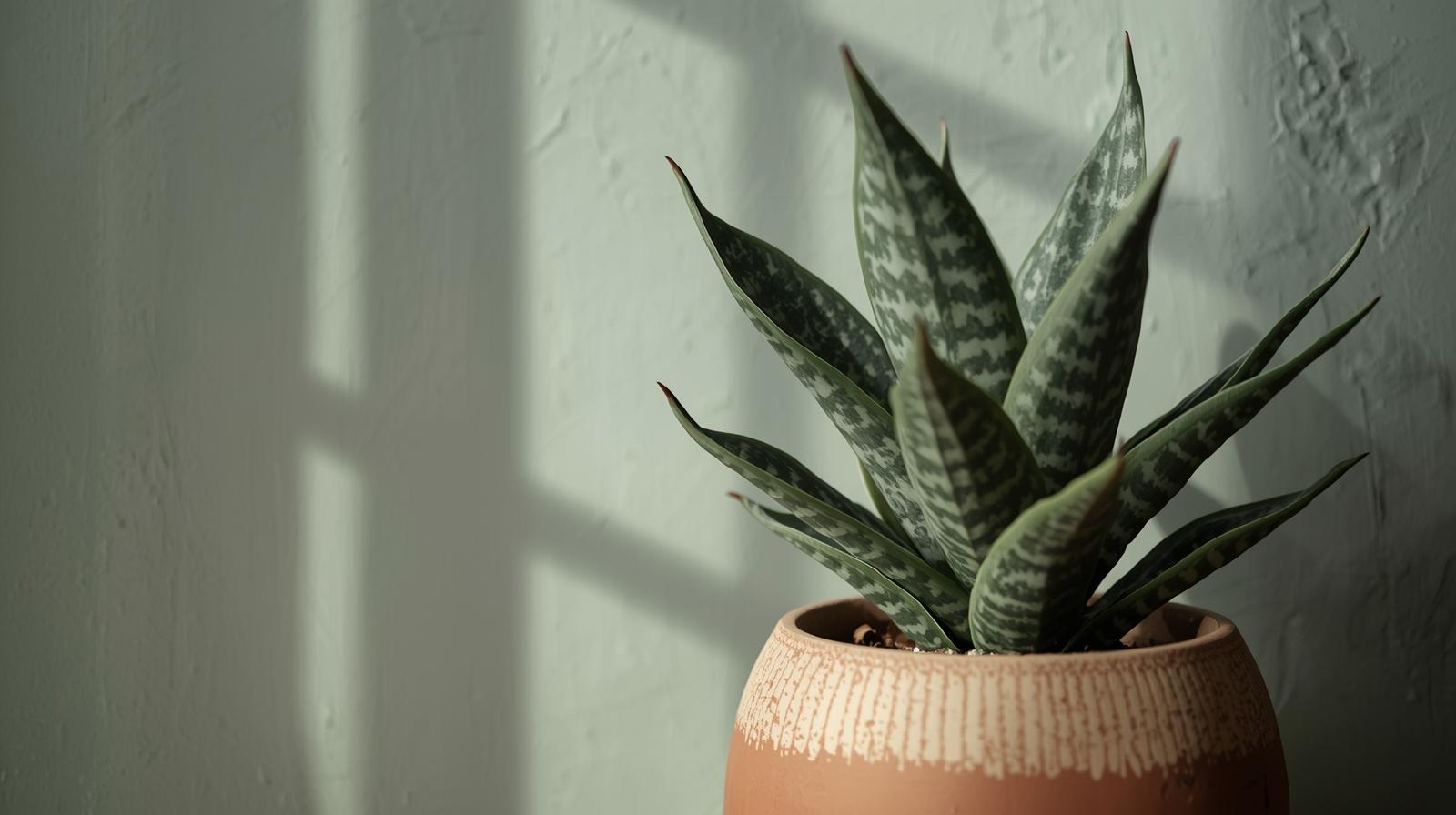
In the hush of a north-facing room, where daylight diffuses into a soft charcoal wash, a single ZZ Plant stands like a sentinel of stillness. Its glossy leaves—deep green and waxy—catch the faintest ambient glow, turning shadow into sanctuary. This is where Interior Design meets quietude: not in the sun-drenched atrium, but in the corners that hold their breath. Here, in the embrace of Shadow, life persists with a different rhythm, one that asks not for brilliance, but for presence.
The Poetry of Dim Light
Low light is often treated as a deficit. Yet in the right hands, it becomes a medium for depth, intimacy, and restraint. A room softened by shadow invites slower movement, deeper breath, and quieter thought.
Plants that thrive here do not clamor for attention. They settle into the stillness, their forms becoming punctuation in a sentence of silence.
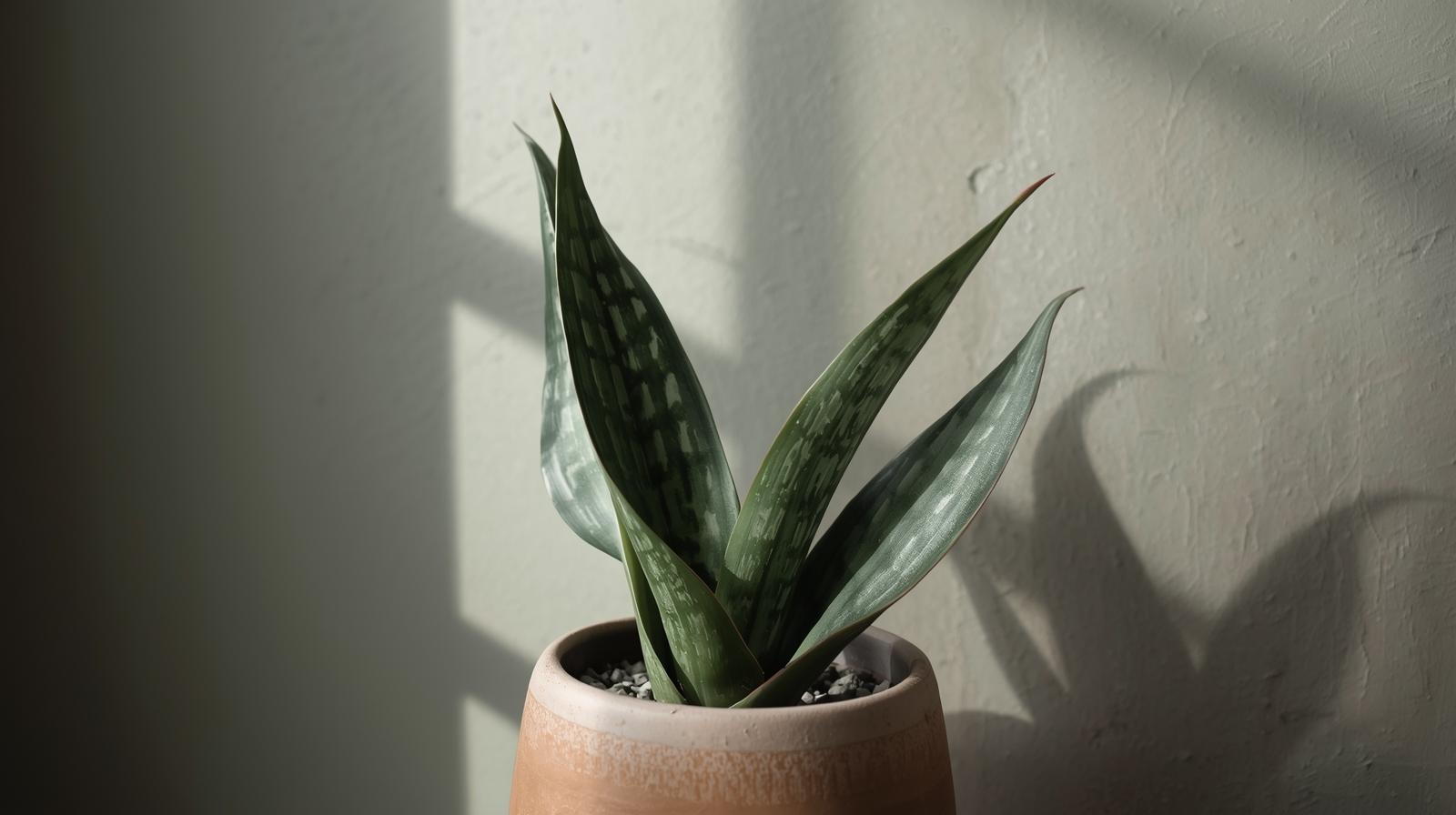
“The best things in life are nearest: Breath, light, silence, and the stillness of the earth.” — Henry David Thoreau
Understanding Light Beyond Lumens
True low light is not darkness—it is indirect, ambient, or reflected illumination. A book can be read there, though perhaps with effort. Your hand casts a soft, blurred shadow, not a sharp silhouette.
Observe your space at different hours. A hallway may flood with midday bounce light from a distant window. A bathroom might glow with cool, consistent fluorescence. These nuances matter more than compass direction.
Plants That Whisper in the Dark
Certain species have evolved to live beneath dense canopies, where sunlight filters in fragments. Their growth is deliberate, their energy conserved. In our homes, they become companions to contemplation.
Choose not by quantity, but by character. One well-placed plant can anchor a room more powerfully than a dozen scattered specimens.
The ZZ Plant: Architect of Resilience
Zamioculcas zamiifolia emerges from the dry, shaded understories of eastern Africa. Its thick, succulent rhizomes store water; its waxy leaves repel dust and drought alike. It asks for little and gives structure in return.
Its upright stems and symmetrical leaflets create vertical rhythm without rigidity—a quiet counterpoint to soft furnishings or bare walls. For those drawn to its quiet strength, our deeper exploration of zz-plant-resilience reveals how its patience mirrors our own.
The Velvet Philodendron and the Art of Softness
Where the ZZ Plant is polished and precise, Philodendron micans offers plush tenderness. Its heart-shaped leaves shimmer with a coppery sheen, their surface soft as worn linen.
This vine prefers consistent moisture and appreciates the gentle humidity of a bathroom or kitchen. Let it trail from a high shelf or climb a moss pole—its movement is fluid, almost breath-like.
Snake Plant: The Silent Guardian
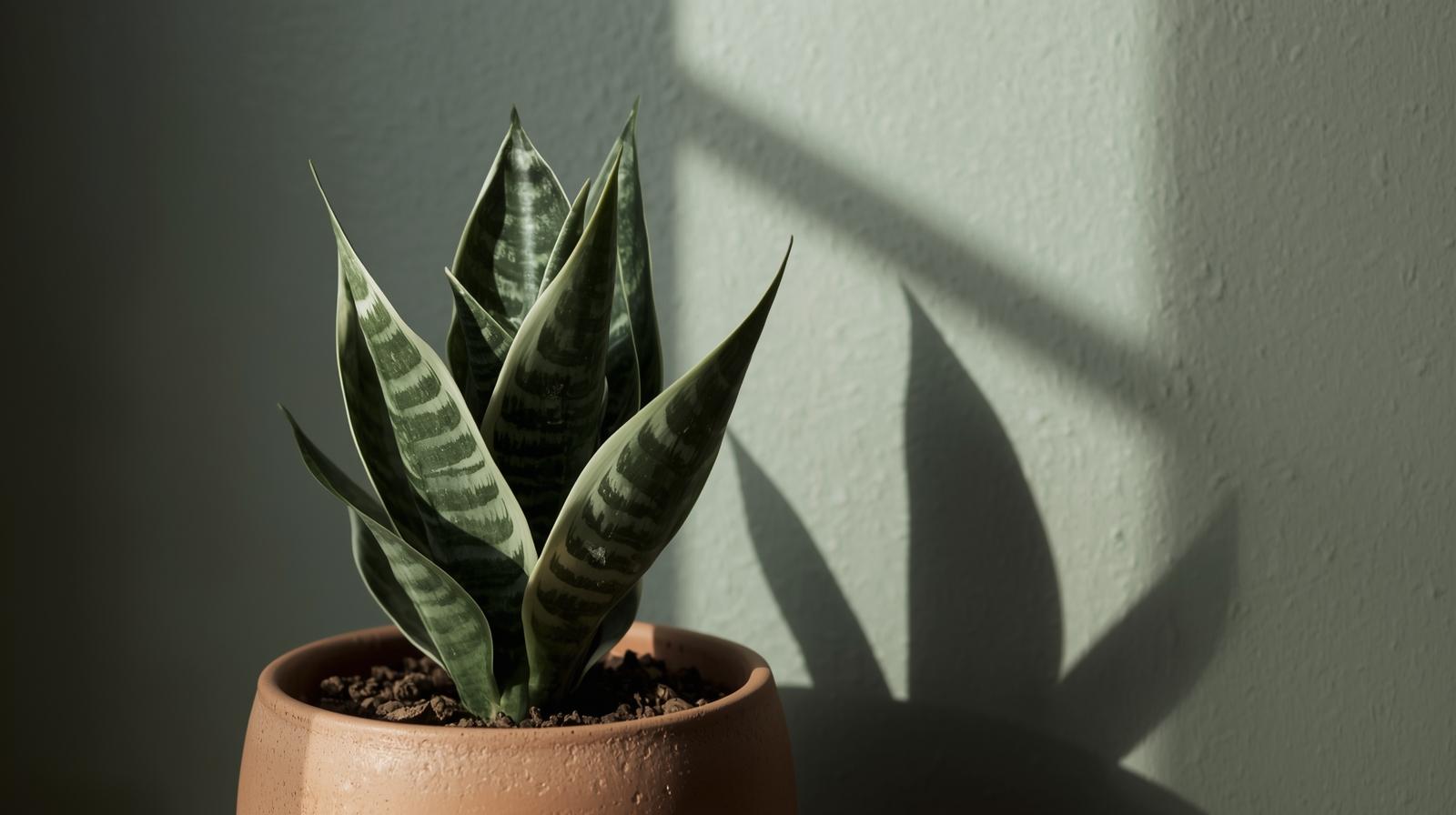
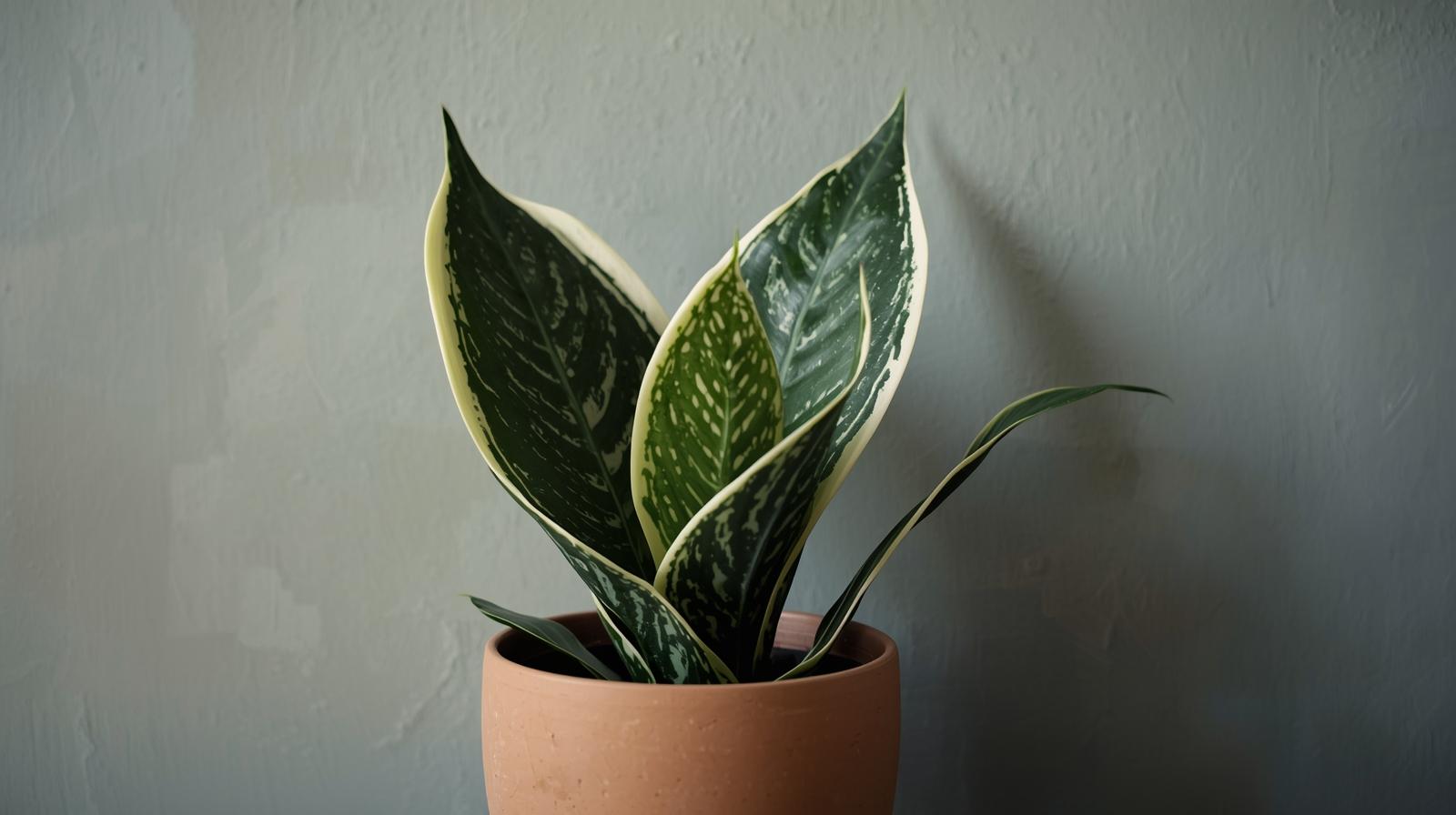
Sansevieria’s sword-like leaves rise with stoic grace, making it ideal for narrow spaces: beside a bookshelf, in a dim entryway, or flanking a doorway. It does not wilt, stretch, or fade easily.
Its architectural form brings clarity to cluttered corners. Paired with a low stool or a folded blanket, it becomes part of a zen corner—a small altar to stillness.
Cultivating Calm in Shadowed Corners
Greening a dark space is not about filling voids, but about honoring them. The goal is not brightness, but balance. Not abundance, but intention.
Let each plant occupy its own breath of space. In low light, visual noise multiplies; simplicity becomes essential.
The Role of Negative Space (Ma)
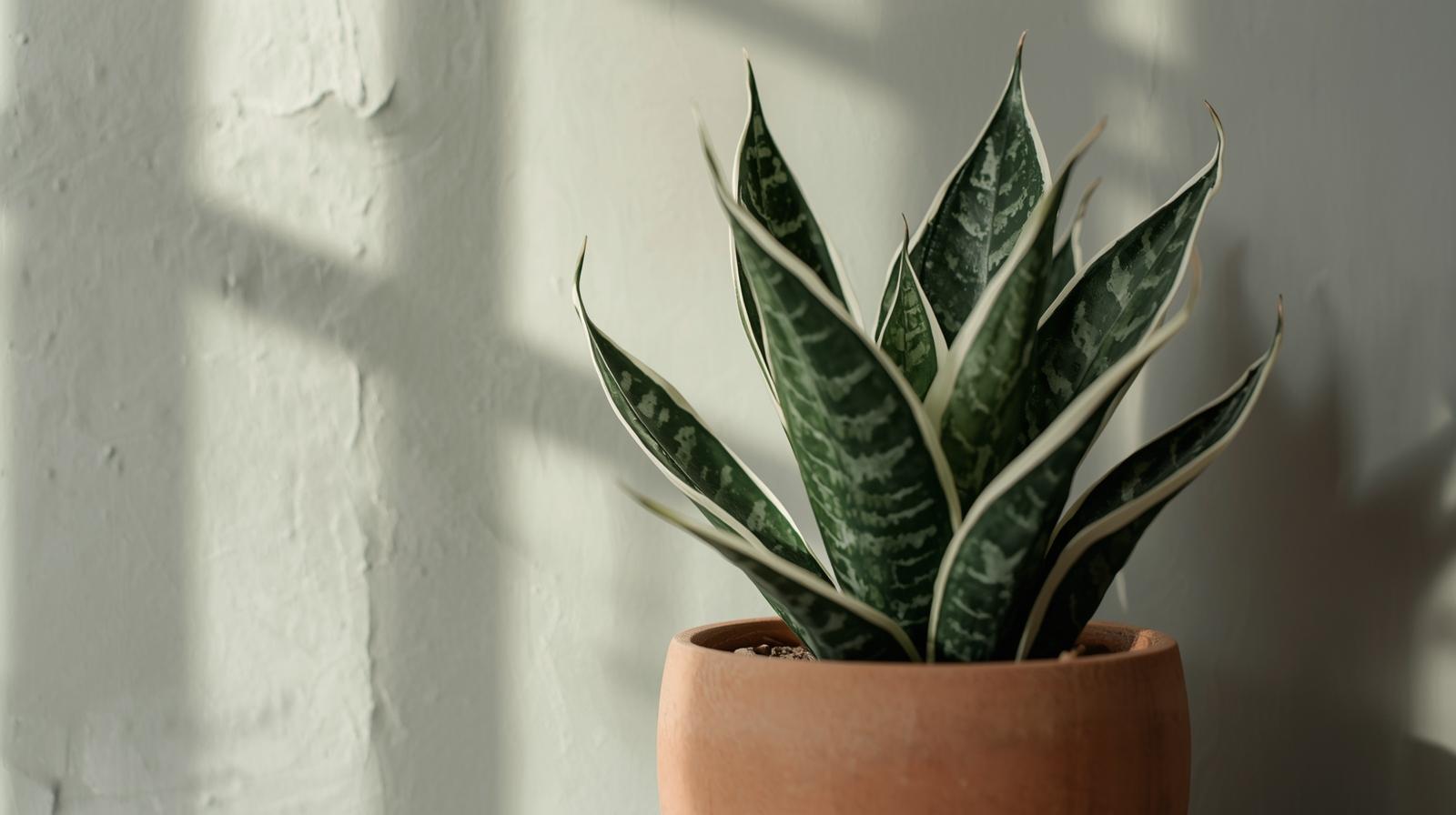
In Japanese aesthetics, *ma*—the space between things—is as vital as the things themselves. A single ZZ Plant on a bare floorboard speaks more than three crowded on a windowsill.
Step back. Leave room for shadow to pool around your plants. Let the eye rest in the emptiness.
Vessels as Companions
Choose pots that absorb rather than compete with light. Unglazed terracotta, matte stoneware, or hand-thrown ceramics in earthy tones ground the plant in quietude.
Avoid glossy finishes or bold patterns. The container should feel like an extension of the soil—humble, porous, and honest.
Complementary Ambiance
Soft artificial light can extend the sense of life in a shadowed room. A warm-toned bulb (2700K or lower) placed slightly above and behind a plant casts gentle highlights along leaf edges.
For a more atmospheric approach, consider salt lamps or dimmable LEDs that mimic the slow fade of dusk. Learn more about crafting mood through lighting-for-ambiance.
Tending as Ritual
Care in low light is not less demanding—it is more precise. Water evaporates slowly; roots sit longer in damp soil. Overcare is the most common undoing.
Approach each check-in as a moment of presence. Run your finger into the soil. Observe the angle of a new leaf. Listen to the silence between your breaths.
Practical Guidance for Quiet Growth
- ZZ Plant: Water only when the pot feels feather-light—typically every 3–4 weeks. Use a mix of 2 parts potting soil, 1 part perlite, 1 part orchid bark.
- Velvet Philodendron: Water when the top two inches feel dry. Mist occasionally if air is dry, but avoid soggy soil.
- Snake Plant: Water deeply only when the soil is completely dry—sometimes every 6 weeks in winter. Ensure excellent drainage.
When in doubt, wait. These plants have survived millennia of scarcity. They understand patience better than we do.
Common Questions
Why are my low-light plant’s leaves turning yellow?
Overwatering is the most common cause. In dim conditions, evaporation slows dramatically—allow soil to dry deeply between waterings.
Can I keep a ZZ Plant in a windowless office?
Yes, if there’s consistent artificial light (fluorescent or LED) for at least 8–10 hours daily. Rotate it monthly toward a brighter room for recovery if growth stalls.
Do low-light plants clean the air?
All plants exchange gases, but their impact in a home is subtle. Their true gift is psychological: a living presence that softens sterile environments.
How do I know if my plant is getting enough light?
Watch for signs: leggy stems, smaller new leaves, or loss of variegation suggest insufficient light. Healthy low-light plants grow slowly but steadily, with rich color and firm texture.
Stand for a moment in your dimmest room. Notice how the air feels different there—cooler, quieter, more contained. Now imagine a single stem rising from that stillness, not to conquer the dark, but to dwell within it. That is the quiet work of a low-light sanctuary: not to brighten, but to belong.