
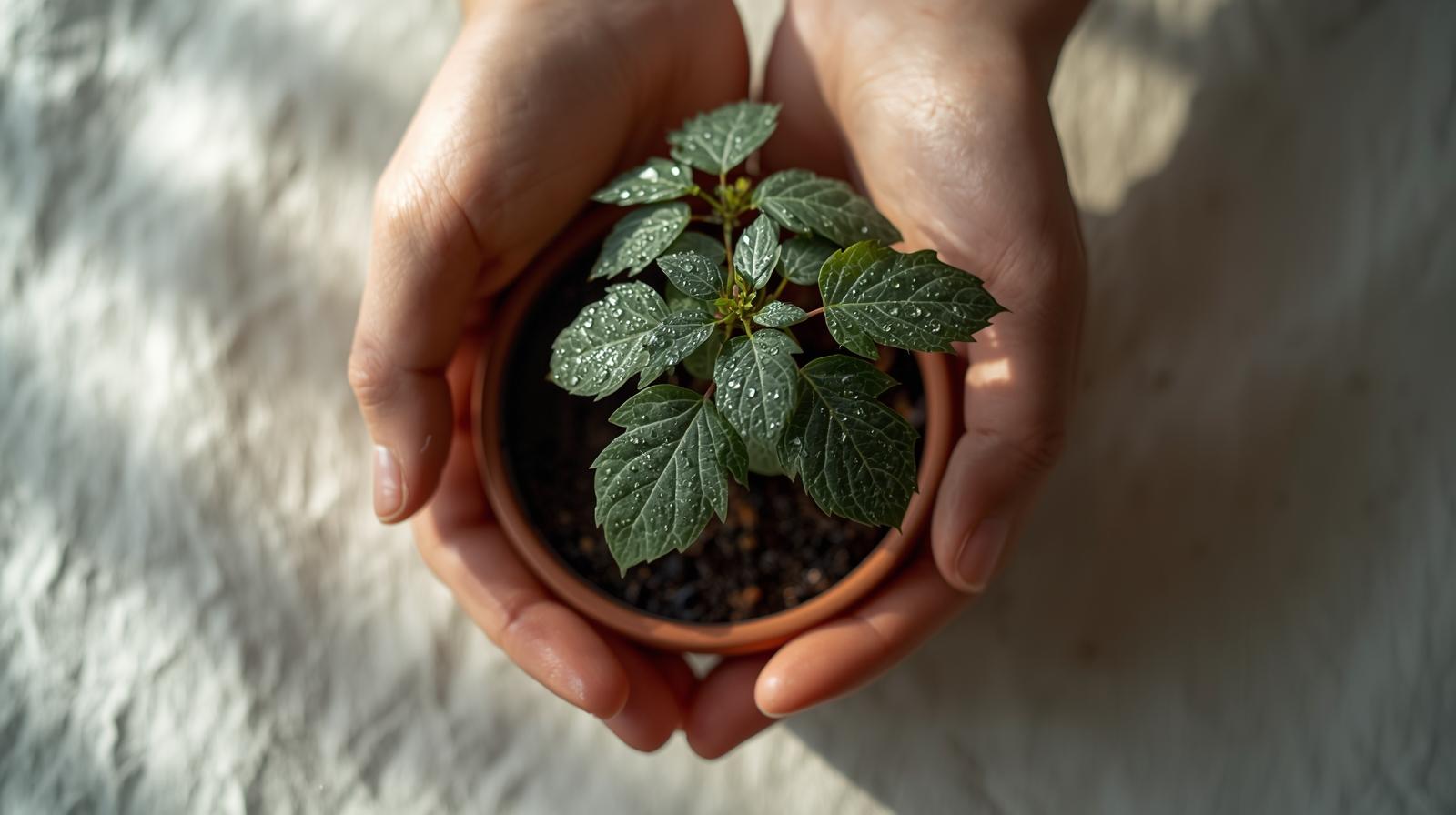
In the hush of early evening, when the last amber light slips through sheer linen curtains, the Spathiphyllum releases its quiet presence—an arc of white spathe cradling a slender spadix, like a folded prayer. Its leaves, broad and deep green, seem to absorb the day’s noise, leaving only the soft rhythm of stillness behind. Here, in this moment, the flowering of the Peace Lily is less a botanical event than a ritual of calm: a symbol not merely of purity, but of resilience held gently.
A Botanical Emblem of Tranquility
The Peace Lily has long been woven into human rituals of peace and remembrance. In Victorian floriography, its pristine white bloom signified purity and spiritual renewal. In many cultures, it is placed in homes after a loss—not as a marker of grief, but as a quiet companion in healing, its unfurling spathes echoing the slow return of light after darkness.
Unlike showy orchids or fragrant gardenias, the Spathiphyllum asks for nothing but presence. It does not perfume the air or demand admiration. Its symbolism lies in restraint: white without glare, form without flourish. It is a reminder that peace is not spectacle—it is the steady breath beneath the surface.
“Peace is not the absence of noise, but the presence of stillness.” — Zen tradition
This quality explains its quiet prevalence in chapels, hospice rooms, and meditation studios. It is not chosen for its beauty alone, but for the atmosphere it cultivates—an anchor in spaces where the soul seeks refuge.
From Rainforest Floor to Quiet Corner
Native to the shaded understories of Colombia and Venezuela, the Peace Lily evolved beneath dense canopies where sunlight filters in fragments. It learned to thrive in humidity, in dappled light, in the company of moss and decaying leaf litter that fed its roots gently.
Indoors, it carries that memory in its posture. It leans into softness. It flinches from harsh sun. It prefers the company of still air and consistent warmth—conditions not of luxury, but of ecological fidelity.
To care for it is to echo its origins: not to dominate, but to recreate a whisper of its wild home.
The Rhythm of Care: Listening to the Spathiphyllum
Caring for a Peace Lily is less about routine and more about attunement. It speaks in subtle gestures—a slight droop at dusk, a yellowing lower leaf, the emergence of a green bud at the base. These are not alarms, but invitations to pay attention.
Its needs are simple, but precise. Ignore them, and it wilts dramatically. Honor them, and it rewards you with months of flowering, each spathe rising like a quiet vow renewed.
Watering with Intention
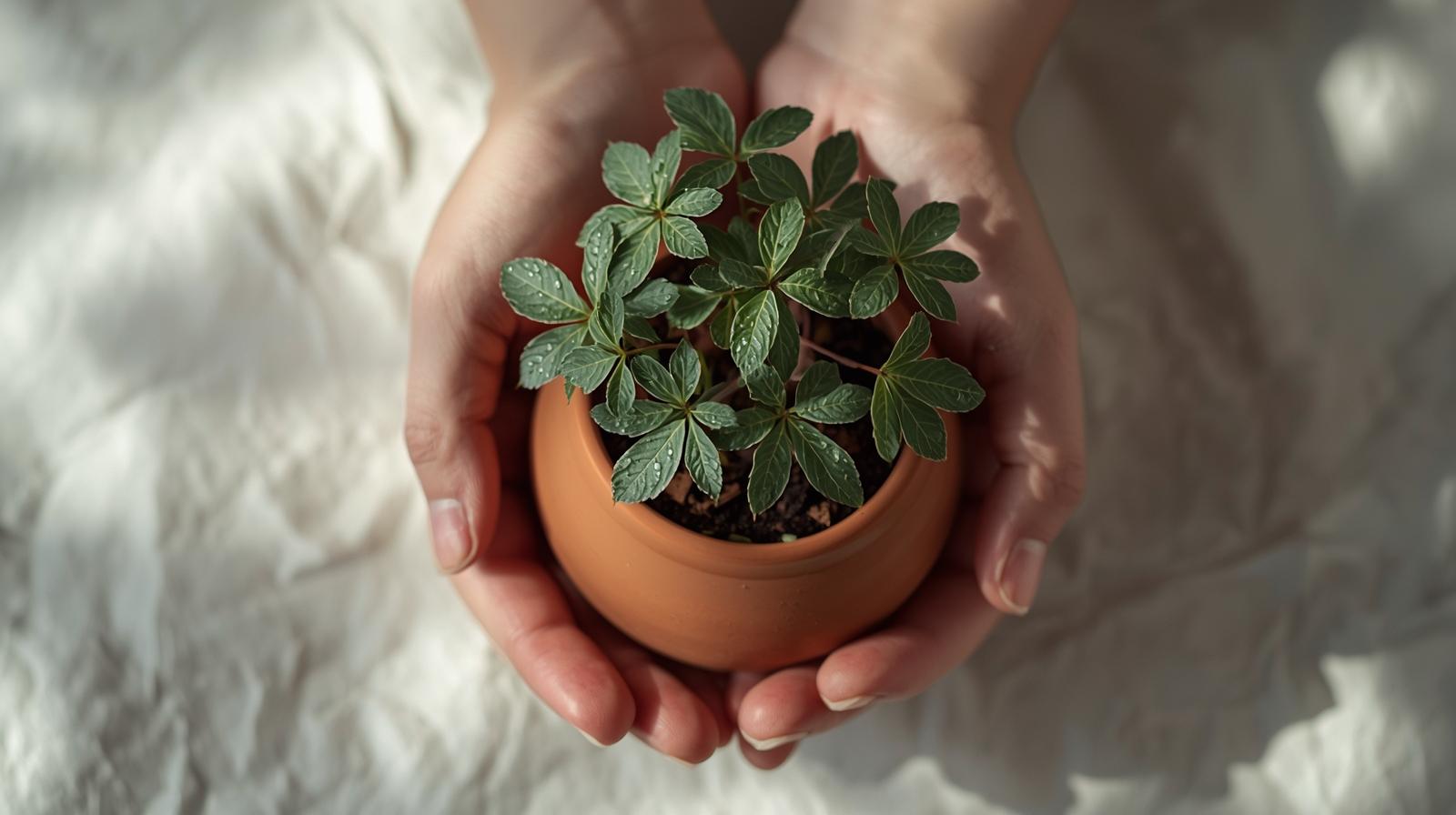
Water only when the top two to three centimeters of soil feel dry. Lift the pot—it should feel light, not heavy. Then pour slowly until water trickles from the drainage holes, allowing the roots to drink fully before emptying the saucer.
Overwatering is its quiet undoing. Soggy soil suffocates its roots, leading to collapse that mimics thirst. If leaves droop despite moist soil, pause and observe—this may be a sign of deeper stress, as detailed in our reflections on recognizing when your green companions are struggling.
Use room-temperature water, free from chlorine if possible. Cold tap water can shock its tropical roots, and mineral buildup may crisp the leaf tips—a silent plea for gentler nourishment.
Light as Atmosphere, Not Illumination
Place it where light is soft and indirect: a north-facing sill, a shaded east window, or a few feet back from a west-facing one veiled by linen. Direct sun bleaches its leaves and scorches their edges, breaking the very calm it embodies.
Flowering depends on this balance. Too little light, and it survives but stays mute. Just enough, and it responds with blooms that may appear year-round—each one a testament to the harmony between plant and place.
Humidity as Sanctuary
The Peace Lily thrives in 40–60% humidity, a range often lower than our heated or air-conditioned homes. In dry months, its leaf tips may brown—a delicate signal of atmospheric thirst.
Group it with other moisture-loving species like ferns or Calatheas to create a shared microclimate. A pebble tray filled with water beneath the pot also helps, as does occasional misting in the morning. These small acts echo the mist-laden air of its native forest, and align with the principles explored in our guide to plants that breathe with you.
Soil and Feeding: The Ground of Being
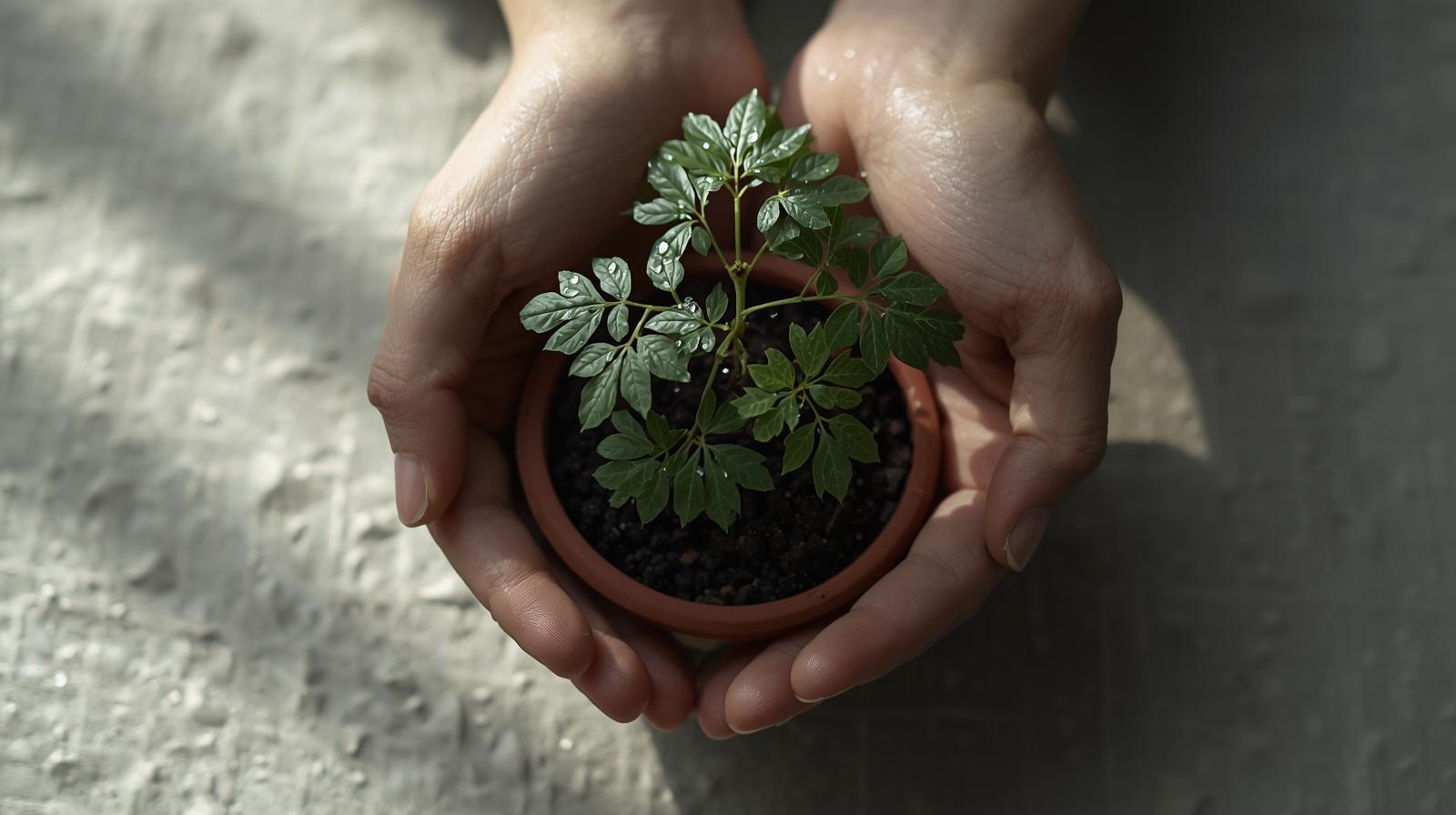
Use a well-draining mix: two parts peat or coco coir, one part perlite, and one part orchid bark. This mimics the airy, organic-rich forest floor it remembers.
Fertilize sparingly—once a month during spring and summer with a balanced liquid feed diluted to half strength. Never in winter. The Peace Lily does not bloom for food; it blooms for light, maturity, and peace. Overfeeding leads to lush leaves but silent stems.
The Language of Blooms and Leaves
Each flowering begins as a tight green nub at the base, slowly elongating into a creamy white sail. As it ages, the spathe returns to green, folding back into the foliage like a secret kept. This cycle—emergence, radiance, return—is its quiet poetry.
Yellow leaves are often natural: the oldest ones fade as energy moves upward. But if new leaves yellow, consider overwatering. Brown tips suggest dry air or mineral sensitivity. Drooping? Likely thirst—but always check the soil first.
These signals are not failures, but dialogue. They invite us into a slower way of seeing, one detailed in our notes on the silent language of plant distress.
Placing the Peace Lily in Your Sanctuary
Position it where its presence can be felt, not just seen. On a low shelf in the bedroom, it softens the space before sleep. In a home office, its vertical form draws the eye upward, offering a momentary release from the screen’s glare. At an entryway, it greets without demand.
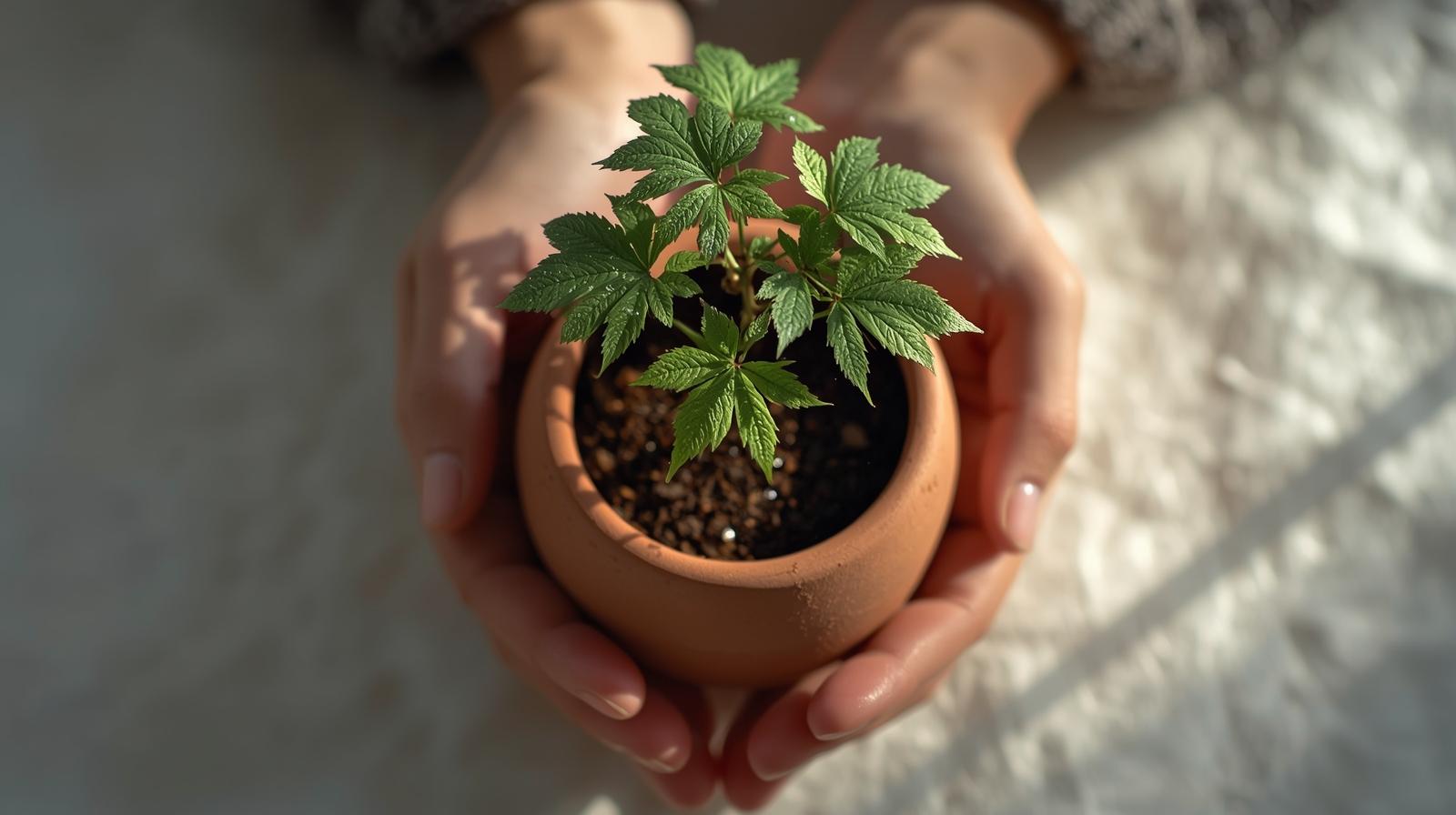
Its dark, glossy leaves create contrast against light walls, while its white blooms catch the faintest light—making it a living sculpture in the language of negative space.
Pair it with other air-purifying species like the Snake Plant or Pothos to form a quiet ecosystem. Together, they cleanse not only the air but the atmosphere of a room, as explored in our reflections on plants that foster focus and clarity.
Avoid placing it near drafts, radiators, or fruit bowls. Ethylene gas from ripening fruit can inhibit flowering—a reminder that even invisible forces shape its silence.
Common Questions
Why isn’t my Peace Lily flowering?
It may be too young (under two years), in low light, or over-fertilized. Move it to a brighter indirect spot and reduce feeding. Patience often yields the first bloom.
Are Peace Lilies toxic?
Yes—they contain calcium oxalate crystals that can irritate mouths and stomachs. Keep them out of reach of children and pets, not as a warning, but as an act of mutual respect.
How often should I repot it?
Every two to three years, or when roots surface at the soil line. Choose a pot only slightly larger—Peace Lilies bloom best when gently root-bound.
Can it survive in a windowless bathroom?
Temporarily, yes—but without some ambient light, it will weaken. For true thriving, it needs indirect daylight, even if filtered through a hallway.
Sit with your Spathiphyllum in the quiet hour before dusk. Watch how its leaves hold the fading light. Notice the curve of its newest spathe, still green with promise. In its stillness, it offers not just beauty, but a mirror—a reminder that peace is not found in absence, but cultivated in presence.