
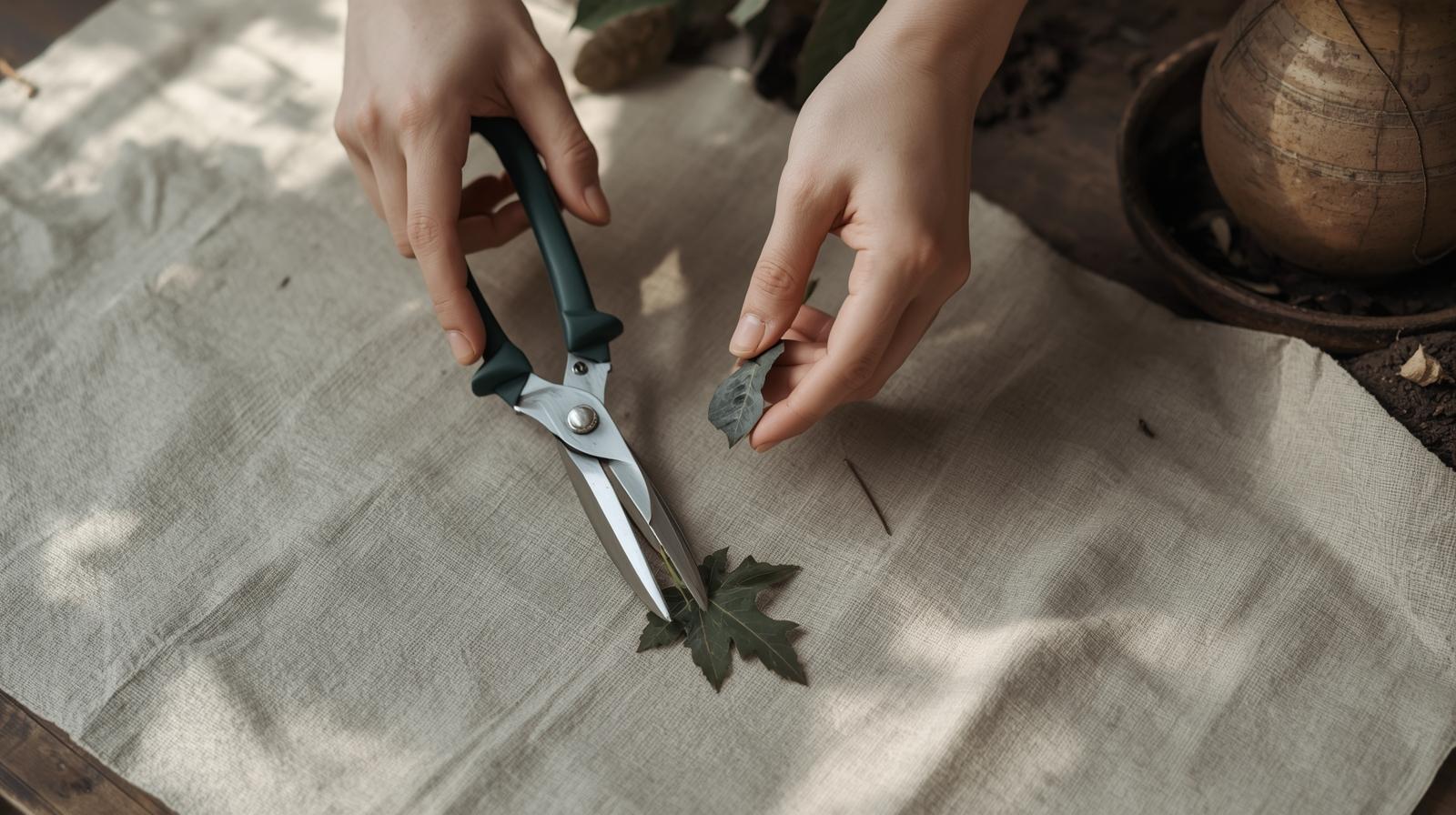
Time doesn’t rush, yet we do. In the garden, a branch lingers long after it has ceased to bear fruit—clinging not out of purpose, but habit. Pruning shears in hand, I’ve learned that growth often begins not with addition, but with release. To cut away is not to harm, but to invite.
The Paradox of Letting Go
We hesitate. The scissors hover. That leggy vine on the pothos still has green leaves—why remove it? But growth isn’t just about what’s alive. It’s about what’s thriving. Plants, like people, carry dead weight out of loyalty to what once was.
Pruning isn’t punishment. It’s redirection. Energy that once fed a crowded tangle now flows to a single node, swelling with potential.
“The tree which moves some to tears of joy is in the eyes of others only a green thing that stands in the way.”— William Blake
When Silence Speaks Loudest
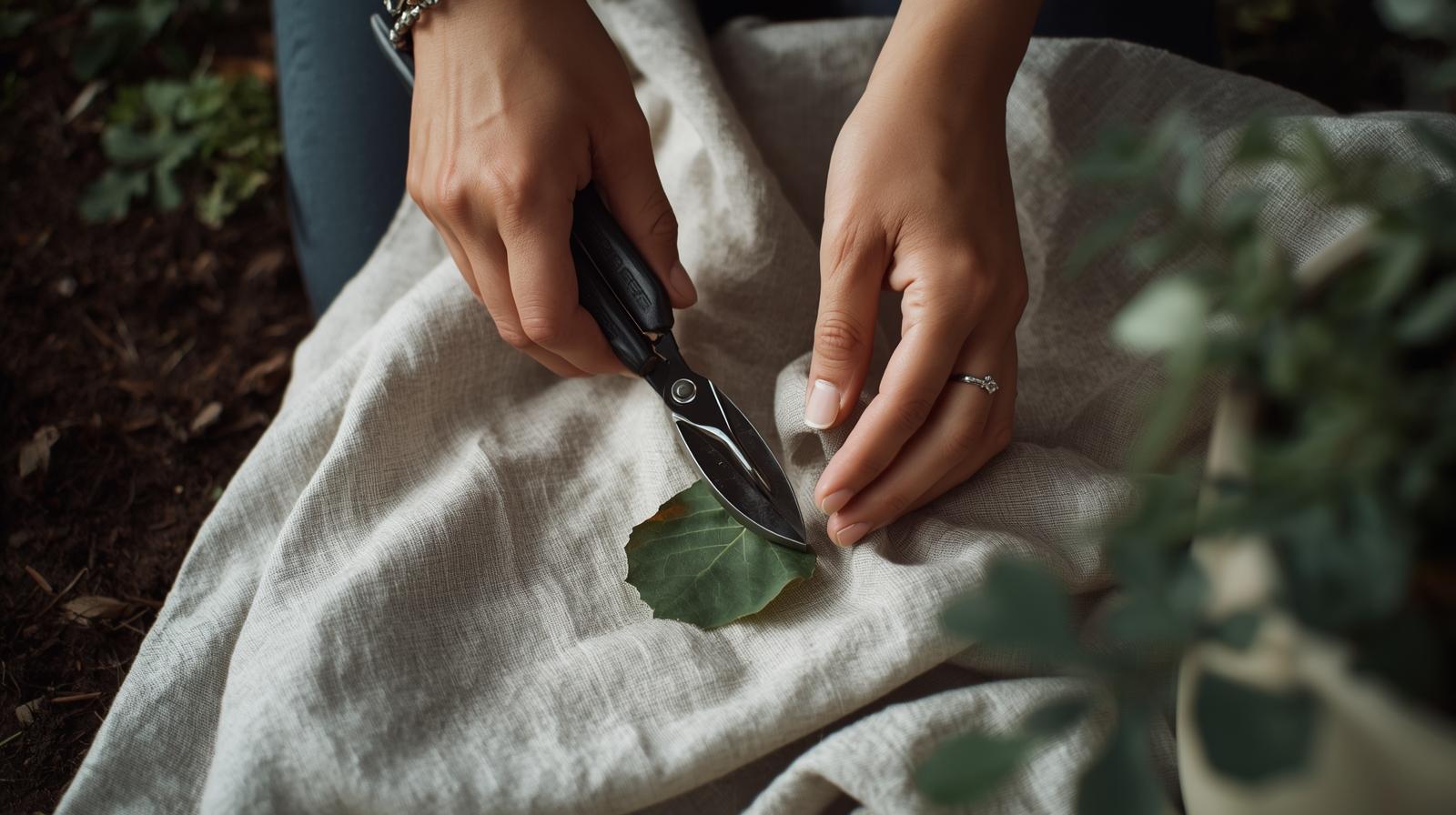
Hold your shears loosely. Breathe in. Notice how the light catches the curve of a leaf you’re about to remove. Snip. The sound is clean, almost final. Then—stillness.
This is where the ritual lives. Not in the cutting, but in the pause after. Try this: prune one stem each morning as part of your morning plant routine. No music. No phone. Just you, the plant, and the quiet agreement that some things must fall away.
Reading the Language of Branches
Plants speak in slanting light and drooping tips. A stem stretching toward the window, pale and thin? It’s begging for space. Leaves yellowing from the bottom up? Not always a watering issue—sometimes it’s just old growth making room.
Look for inward-facing shoots, tangled aerial roots, or leaves that overlap like crowded thoughts. These are invitations to intervene. On a Monstera deliciosa, for instance, selectively removing older, unsplit leaves can encourage the plant to produce larger, more fenestrated ones—a truth explored in our guide to Monstera deliciosa growth.
Timing matters. Late winter, just before the surge of spring, is ideal for most perennials. For tropicals like philodendrons or monsteras, any time they show signs of congestion works—so long as they’re not stressed. (And if you’re unsure whether your plant is stressed, start with our piece on identifying plant stress.)
The Scars That Bloom
A fresh cut weeps a little. Milky sap or clear fluid beads at the wound. Within hours, the plant begins sealing itself—not hiding the injury, but transforming it into a threshold.
Japanese artisans mend broken pottery with gold lacquer—a practice called kintsugi. They believe breakage is part of an object’s history, not something to disguise. Your pruned plant wears its cuts the same way: not as flaws, but as evidence of care.
Press your palm near the cut (don’t touch—just hover). Imagine the surge beneath the bark: cells dividing, vessels rerouting, life pressing forward through a narrower channel. That’s where the magic lives.
Tools as Extensions of Intention
Dull shears tear. Clean, sharp ones slice like a sigh. There’s a difference between cutting and wounding.
Keep a small bottle of rubbing alcohol in your plant care kit. Wipe blades before and after use—not just for hygiene, but as a ritual of respect. Your tools should feel like an extension of your hand: balanced, precise, quiet.
I keep three: micro-shears for delicate tips, bypass pruners for woody stems, and a pair of long-nosed tweezers for plucking dead leaves without disturbing the soil. Each has its voice. Learn to listen.
Beyond the Garden—Pruning Your Life
Last Tuesday, I deleted 200 unread emails. Not out of efficiency—but clarity. Like snipping a vine that blocked the light from reaching new growth.
Pruning teaches us that abundance isn’t measured in quantity, but in vitality. What relationships drain without nourishing? What habits occupy space but yield nothing? Not everything that’s green deserves to stay.
And yet—don’t overcorrect. Some decay feeds the roots. Let a few fallen leaves rest on the soil. They’ll compost into something useful. The same goes for old memories, worn routines, even grief. Not everything needs immediate removal. Some things must simply be witnessed before they release.
Common Questions
Is it cruel to prune healthy-looking leaves or stems?
Not if they’re redundant. A plant may look lush but be inefficient—like a room cluttered with beautiful things that no one uses. Removing non-productive growth frees energy for what truly matters.
How much is too much to cut at once?
Never more than one-third of the plant’s total foliage in a single session. Plants need leaves to photosynthesize. Think of it like fasting: a little hunger sharpens the system; too much starves it.
What if I regret a cut?
Plants forgive. They adapt. New growth often emerges in unexpected places—sometimes more graceful than what came before. Mistakes become part of the story.
Can I compost the pruned material?
Only if it’s disease-free. If you’ve removed yellowed or spotted leaves that showed signs of infection, dispose of them. Letting go means not recycling what no longer serves—even in the compost bin.