
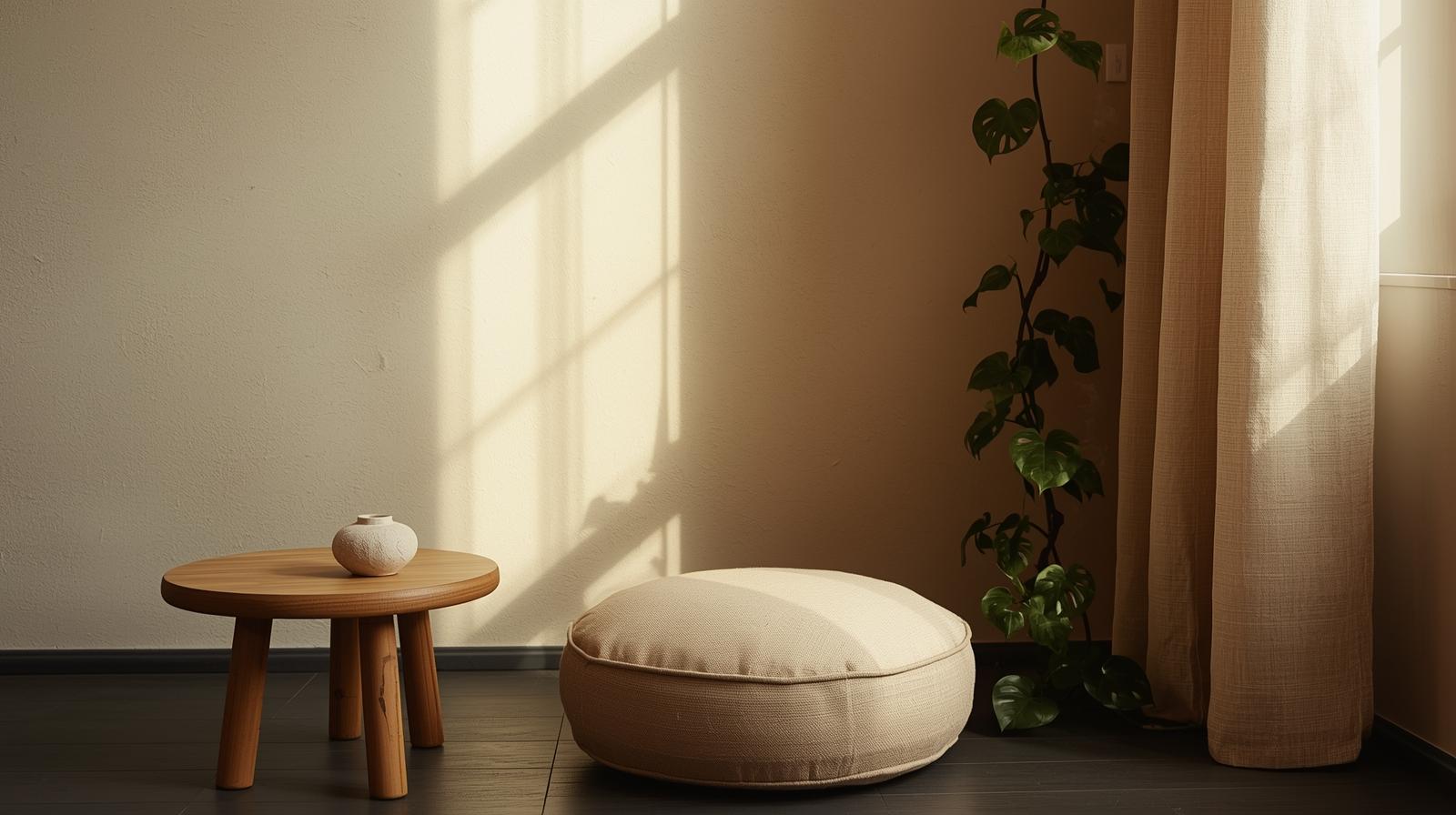
Moonlight slips through the gap in the curtain, pooling on the floor like liquid silver. In its glow, the silhouette of a spider plant leans slightly toward the window, its leaves exhaling the day’s tension. The air carries the faintest hint of damp soil and something green—alive, quiet, watching over you as you drift. This isn’t just a bedroom. It’s a breathing sanctuary, shaped leaf by leaf.
The Alchemy of Air and Stillness
Plants don’t just sit there looking pretty. They work while you sleep—quietly scrubbing the air, softening sharp edges of synthetic off-gassing, releasing moisture that keeps your throat from drying out at 3 a.m. But more than chemistry, it’s presence. A single frond in your periphery tells the nervous system: you’re safe. No predators here. Just growth.
Place them where they catch the first blush of dawn but don’t crowd your view from bed. You want to feel accompanied, not observed. Leave space between pots. Let the eye rest in the gaps.
“Plants are the slow, silent breath of the earth. To sleep among them is to remember we, too, are part of that rhythm.” — Anonymous
Why Your Bedroom Isn’t a Jungle (And Shouldn’t Be)
Three plants. Maybe five. That’s enough. A bedroom overgrown with foliage becomes visual static—your mind keeps scanning for threats, even if it’s just a philodendron’s shadow. Choose forms that echo calm: rounded leaves, upright stems, muted greens. Avoid anything thorny near the pillow (looking at you, cactus).
And the pots matter. Unglazed terracotta breathes, yes—but it also leaves rings on nightstands. A matte ceramic in warm white or soft clay won’t distract. It disappears into the room’s quiet.
The Night-Blooming Trinity: Three Plants That Guard Your Sleep
Not all green allies are equal when the lights go out. Some whisper. Others shout. These three listen.
Snake Plant—the stoic sentinel. It flips the script: while most plants respire at night, it keeps giving oxygen. Its stiff, sword-like leaves stand guard without fuss. You could forget it for a month and it would still be there, waiting. (Just don’t overwater—that’s the one thing it won’t forgive.) For more on its quiet resilience, explore our guide to snake plant benefits.
Lavender—the olfactory lullaby. Even indoors, its silver-green foliage holds trace oils that calm when brushed. Place a small pot on your nightstand. Before bed, run your fingers along a stem. The release is subtle—like a sigh made scent. If you’re new to growing it inside, our lavender indoor care notes are gentle and precise.
Aloe Vera—the cool healer. Its succulent leaves pull toxins from the air while storing water like a desert monk. On restless nights, snap a tip, squeeze the gel onto a sunburn or dry patch. It’s practical magic. Learn how to read its needs in our piece on aloe vera healing.
The Quiet Thirst: Watering as a Nightly Ritual
Watering at night isn’t just maintenance—it’s meditation. Fill a small copper can (the kind that fits in one hand). Feel its weight shift as it empties. Kneel beside your plants. Press a finger into the soil—two knuckles deep. If it’s cool and crumbly, wait. If it’s dry as dust, pour slowly until you see moisture bead at the drainage hole.
This isn’t about hydration alone. It’s about slowing your pulse. Your breath syncs with the drip. The room grows still. And you? You’re no longer scrolling. You’re tending.
When Green Becomes Noise: Signs Your Plants Are Disturbing Your Rest
Plants can unsettle sleep if they’re struggling. Yellow leaves aren’t just sad—they signal decay, and your subconscious registers that. Fungus gnats buzzing near your ear? That’s not ambiance. That’s a call for intervention.
Or worse: overcrowding. Too many pots on a dresser block airflow, trap humidity, and create that “stale” feeling that makes you wake up groggy. If your room feels heavy, not calm, remove one plant. Just one. Watch how the space exhales.
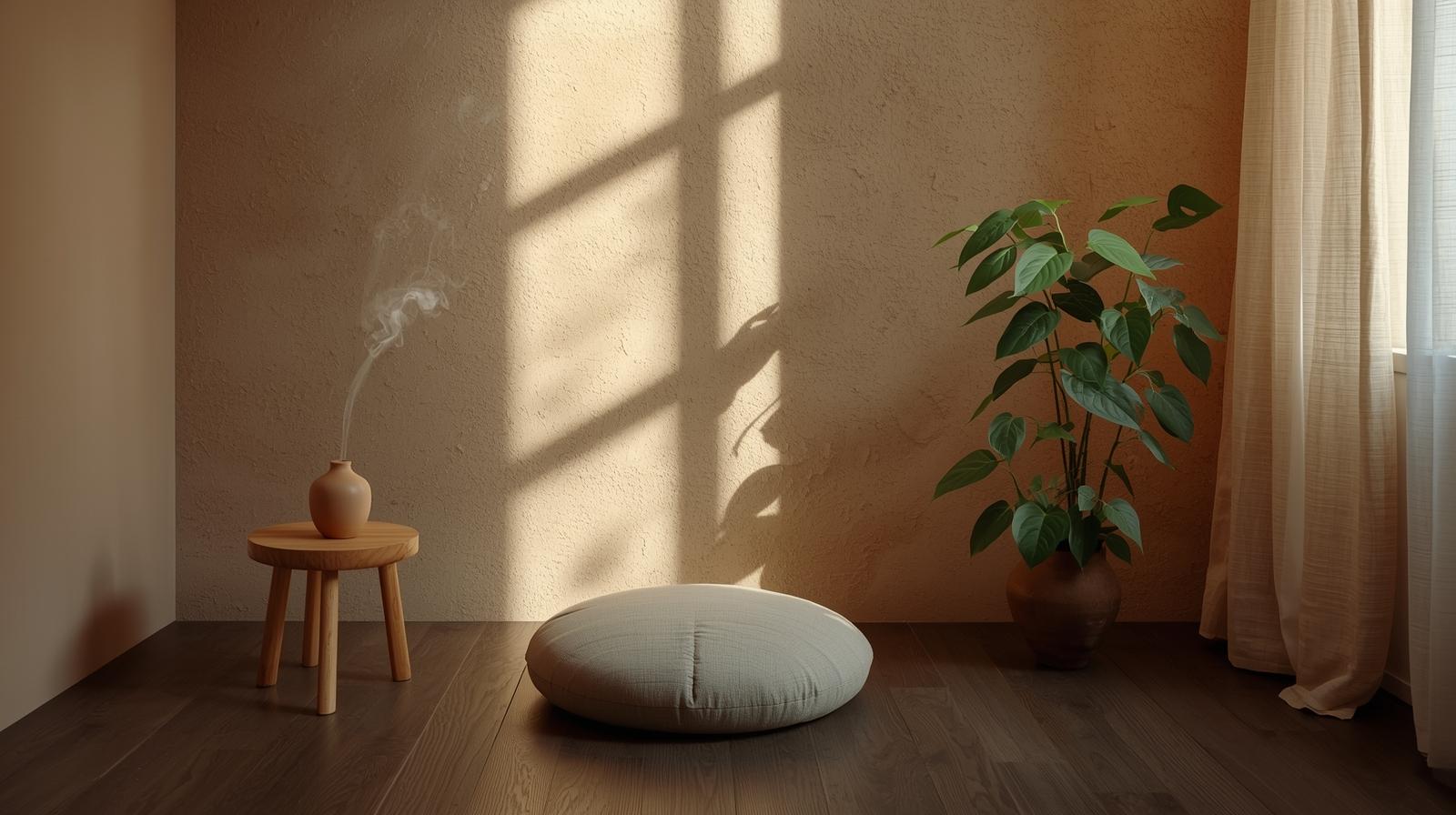
And skip night-blooming jasmine or gardenias unless you’ve tested your sensitivity. Their perfume can be intoxicating—too intoxicating for deep sleep.
Designing with Darkness: How Light Shapes Your Sleep Garden
Plants need night, too. Complete darkness. No grow lights humming under your dresser. No LED strips framing your shelves. That blue-white glare confuses their circadian rhythm—and yours.
Position your sleep allies near an east-facing window if you can. Morning sun is gentle, golden, and helps reset your own internal clock. The snake plant will thrive. The aloe will blush pink at the tips. And you’ll wake to soft light, not an alarm.
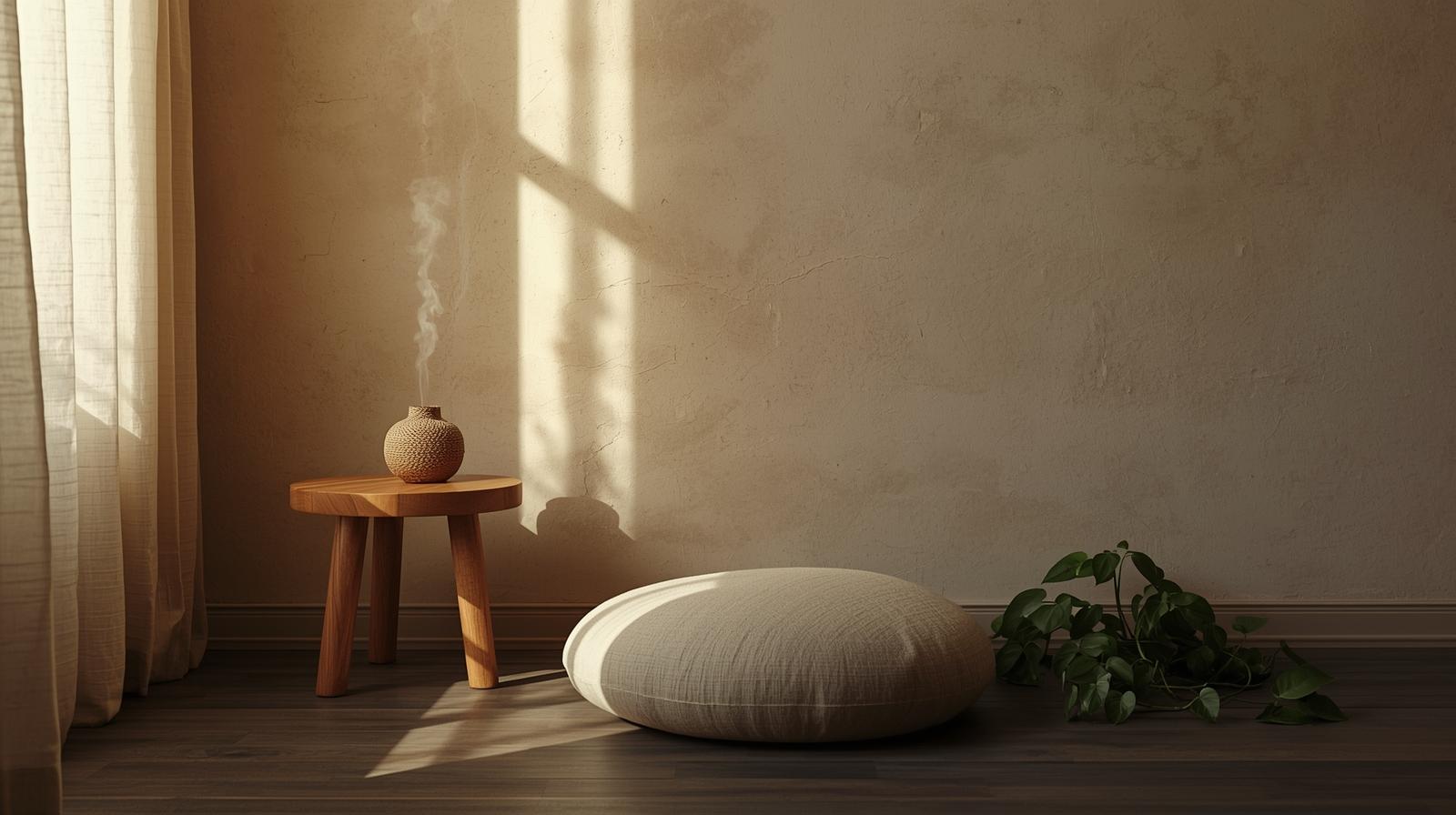
(Moonlight, by the way, does little for photosynthesis—but it does something else. It reminds us we’re part of a cycle larger than our to-do lists.)
Common Questions
Can I really sleep better with plants in my bedroom?
Yes—if you choose wisely. Snake plants oxygenate at night. Lavender’s scent lowers heart rate. Aloe filters airborne irritants. But avoid flowering plants with heavy pollen if you’re prone to congestion. Calm is the goal, not congestion.
How many plants should I have in a small bedroom?
Start with one. A single healthy snake plant in the corner does more than five struggling pothos. Let it breathe. Let you breathe.
Do fake plants offer the same calming effect?
Visually, maybe. But they don’t humidify, purify, or respond to your care. If real plants aren’t possible right now, pair a high-quality silk version with a diffuser using true lavender oil—it’s the closest approximation.
Should I talk to my bedroom plants at night?
They won’t understand your words. But the act of speaking softly—just above a whisper—slows your exhale, quiets your mind. Try it. Say thank you. Then let the silence return.