
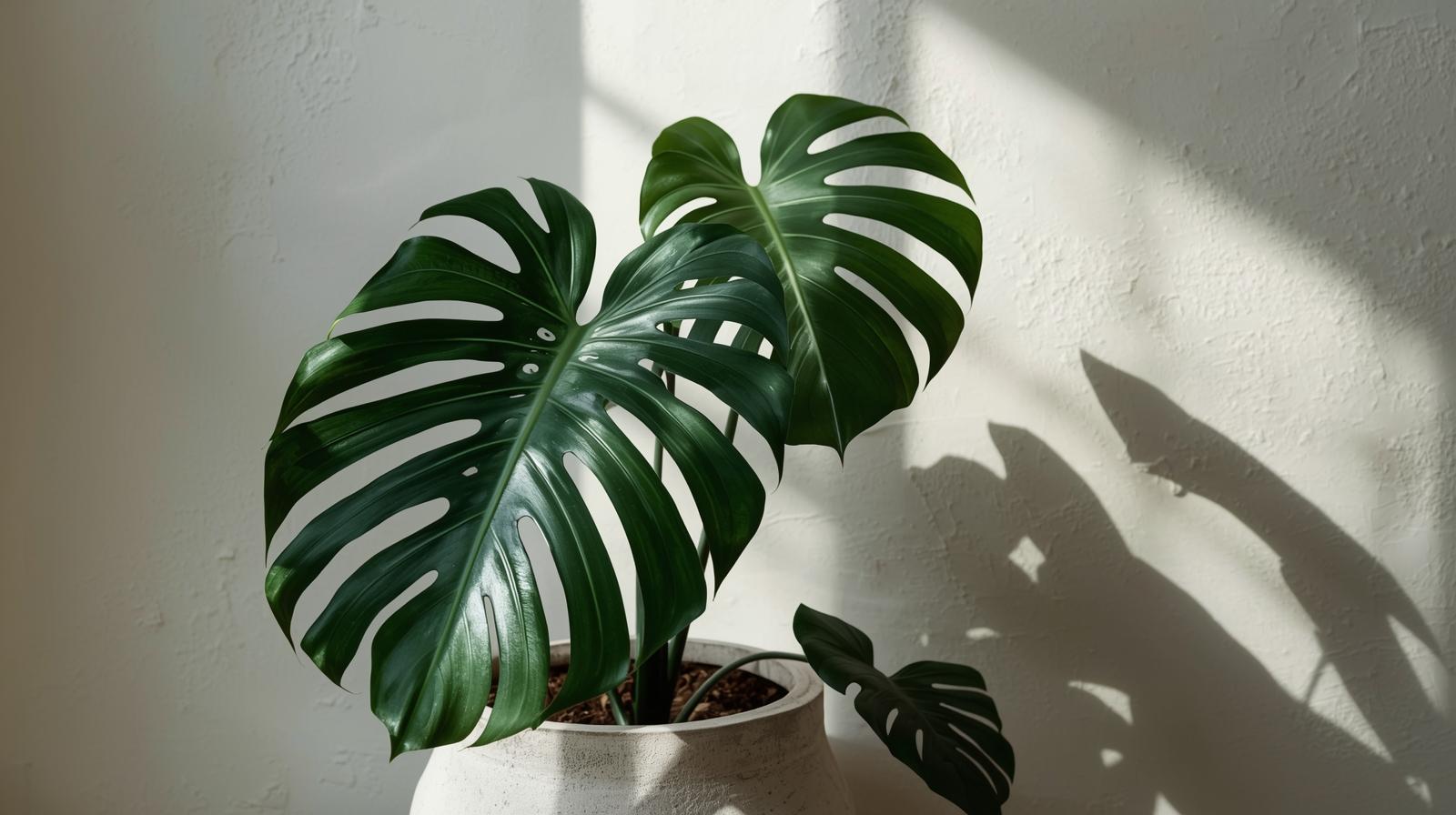
Time doesn’t rush the Monstera. It unfurls—one fenestrated leaf at a time—unbothered by our calendars, our deadlines, our frantic need for instant results. In a world that prizes speed, this tropical wanderer teaches a slower truth: that growth is not linear, but wild, generous, and deeply intentional. To tend to a Monstera deliciosa is to practice patience with your hands and wonder with your eyes.
The Wild Heart of a Houseplant
Its roots run through the humid understories of southern Mexico to Panama, where it scrambles up ceiba trees, its aerial roots drinking mist from the air like secrets. Indoors, it doesn’t ask for jungle heat—but it does ask for honesty. Give it filtered light, not fluorescent glare. Offer warmth, but not the dry blast of a heater. This isn’t a plant that disappears into the background. With leaves broad enough to catch your breath, it announces itself as a statement plant—not through noise, but through sheer, quiet presence.
You don’t place a Monstera. You invite it. And once it settles, it begins to stretch, twist, and split—turning your living room into a slow-motion performance of tropical resilience.
Reading the Language of Leaves
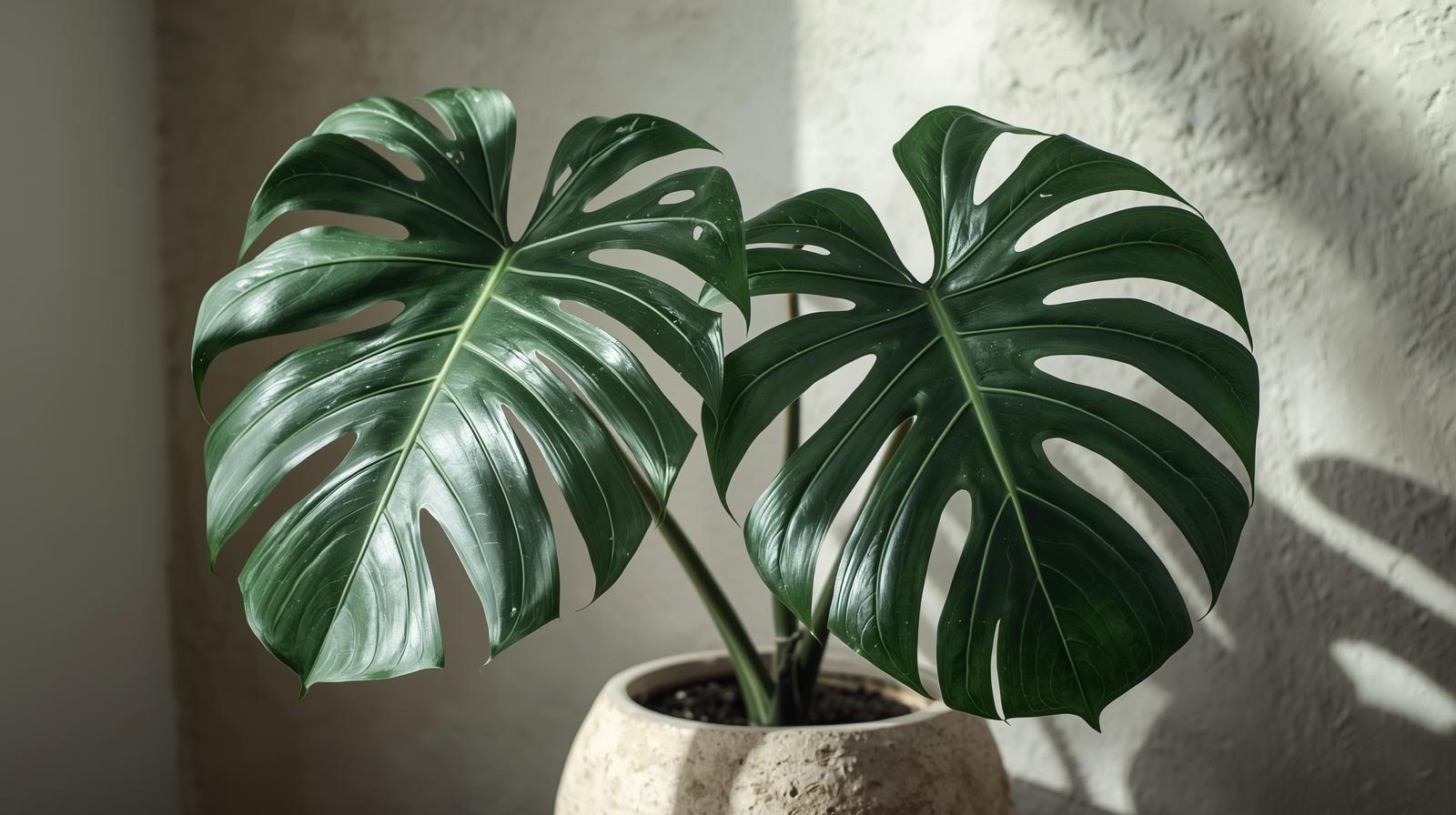
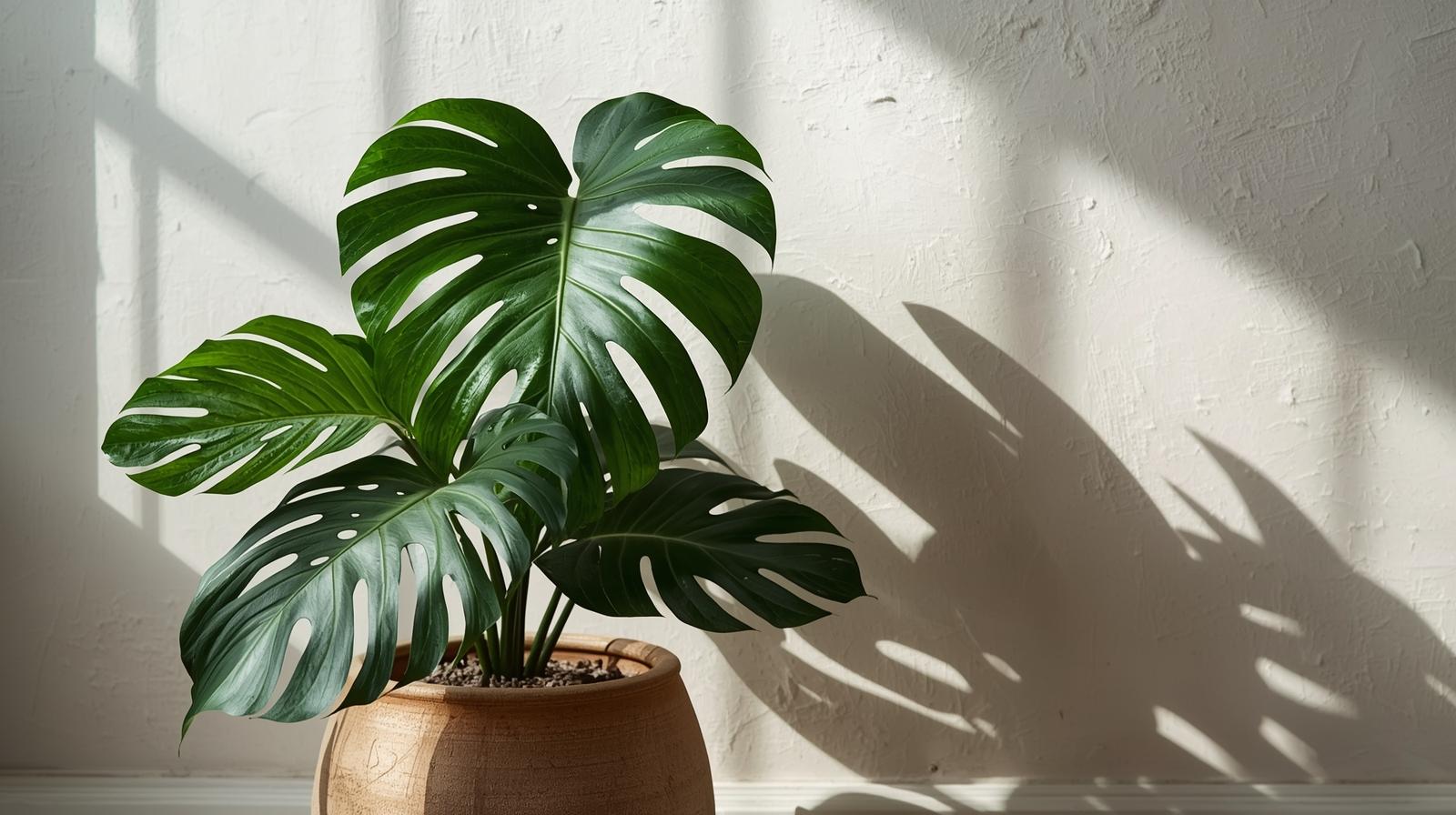
Those splits and holes—fenestrations—are not flaws. They’re adaptations. In the rainforest, they let wind pass through without tearing, let rain drip off without weighing the leaf down. Indoors, they become windows—literally and metaphorically. Watch how light filters through them in late afternoon. Notice how new leaves emerge tightly furled, like green scrolls waiting to be read.
But leaves also speak in distress. Pale, thin growth? Too much direct sun. Brown, crispy edges? The air’s too dry, or you’ve let the soil swing from swamp to desert. A leggy vine with tiny leaves? It’s reaching—gently, persistently—for more light.
“Plants are the slow, deliberate thoughts of the earth.” — Unknown
Try this: once a week, sit beside your Monstera. Touch one leaf. Feel its waxy surface, trace the veins with your fingertip. See the dust gather in the hollows. This isn’t just observation—it’s companionship.
When the Leaves Stop Telling Stories
No new growth for months? Don’t panic. Winter is for rest, not performance. But if spring arrives and still nothing stirs, check the roots. Gently tip the pot. Are they circling like snakes? Time to repot. Is the soil compacted, lifeless? A fresh mix of chunky bark, perlite, and coco coir can reignite its spirit. Growth isn’t constant. It breathes—in and out, like us.
The Quiet Thirst
Watering a Monstera isn’t about routine. It’s about listening. Stick your finger in the soil—past the first knuckle, down to the second. If it’s dry there, it’s time. Pour slowly, until water trickles from the drainage hole. Feel the pot grow heavy in your hands. Set it down. Let it drain completely. Never let it sit in a puddle—those roots rot in silence.
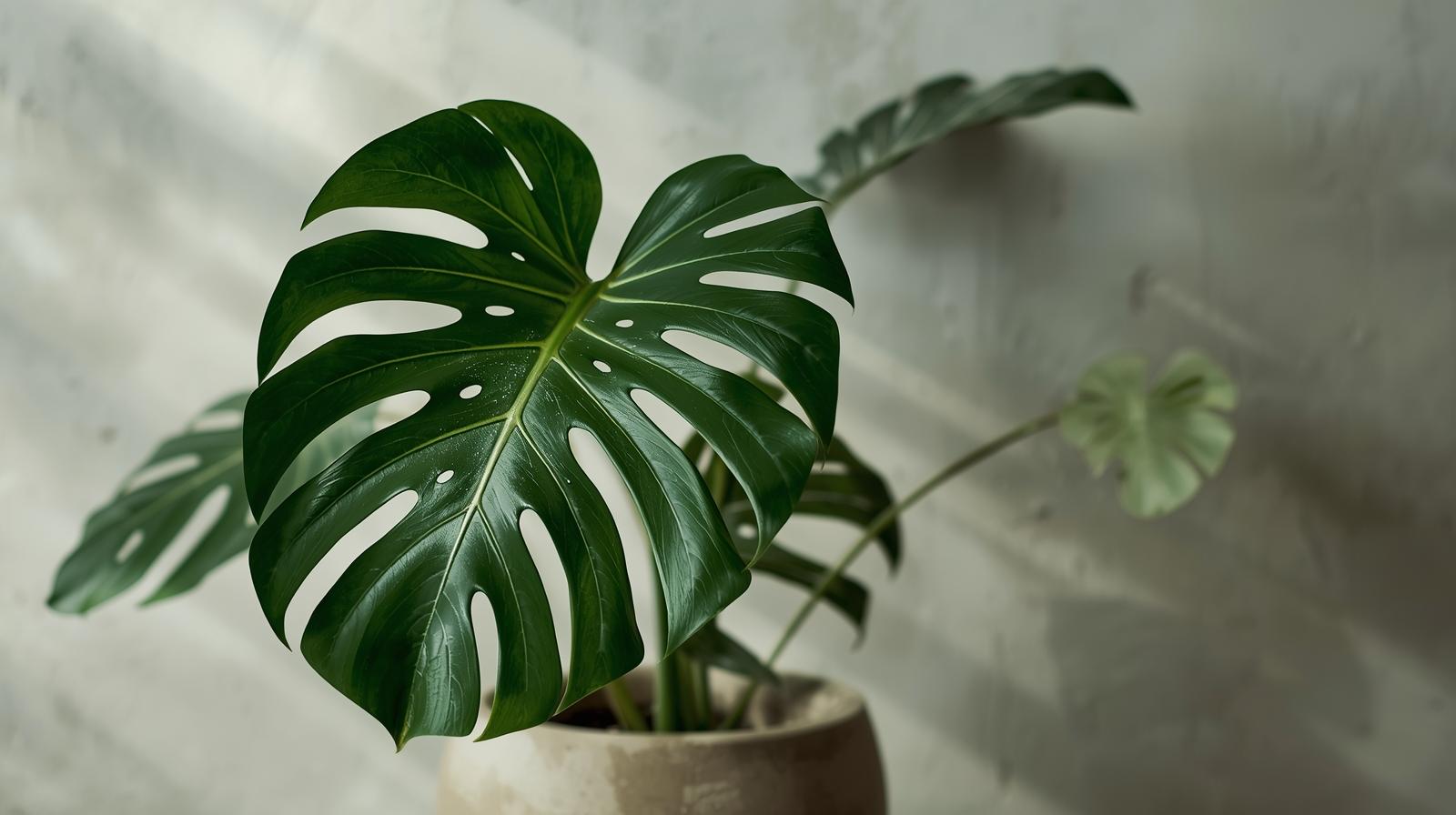
And the water itself matters. Cold tap water, straight from the faucet? It shocks the roots. Let it sit overnight. Better yet, collect rainwater in a jar by the window. The difference shows in the sheen of the leaves—softer, greener, more alive.
Giving It Something to Lean On
Left alone, a Monstera will sprawl—a beautiful chaos of stems trailing across shelves and floors. But offer it a moss pole, and something shifts. It climbs. It thickens. Its leaves grow larger, bolder, more deeply fenestrated. This isn’t just aesthetics; it’s honoring its nature.
A moss pole wrapped in coco fiber works best—it holds moisture, mimicking the bark of rainforest trees. When attaching stems, use soft plant ties or strips of old cotton T-shirt. Never yank. Gently coax. The aerial roots will cling on their own, given time and humidity.
If you’re new to supporting climbers, our guide to staking climbing plants walks through choosing the right support without overwhelming your space.
Pruning as an Act of Trust
Cutting into your Monstera can feel like betrayal. That yellowing leaf—should you really remove it? Yes. Not out of control, but care. Pruning redirects energy. It clears space for new growth to breathe.
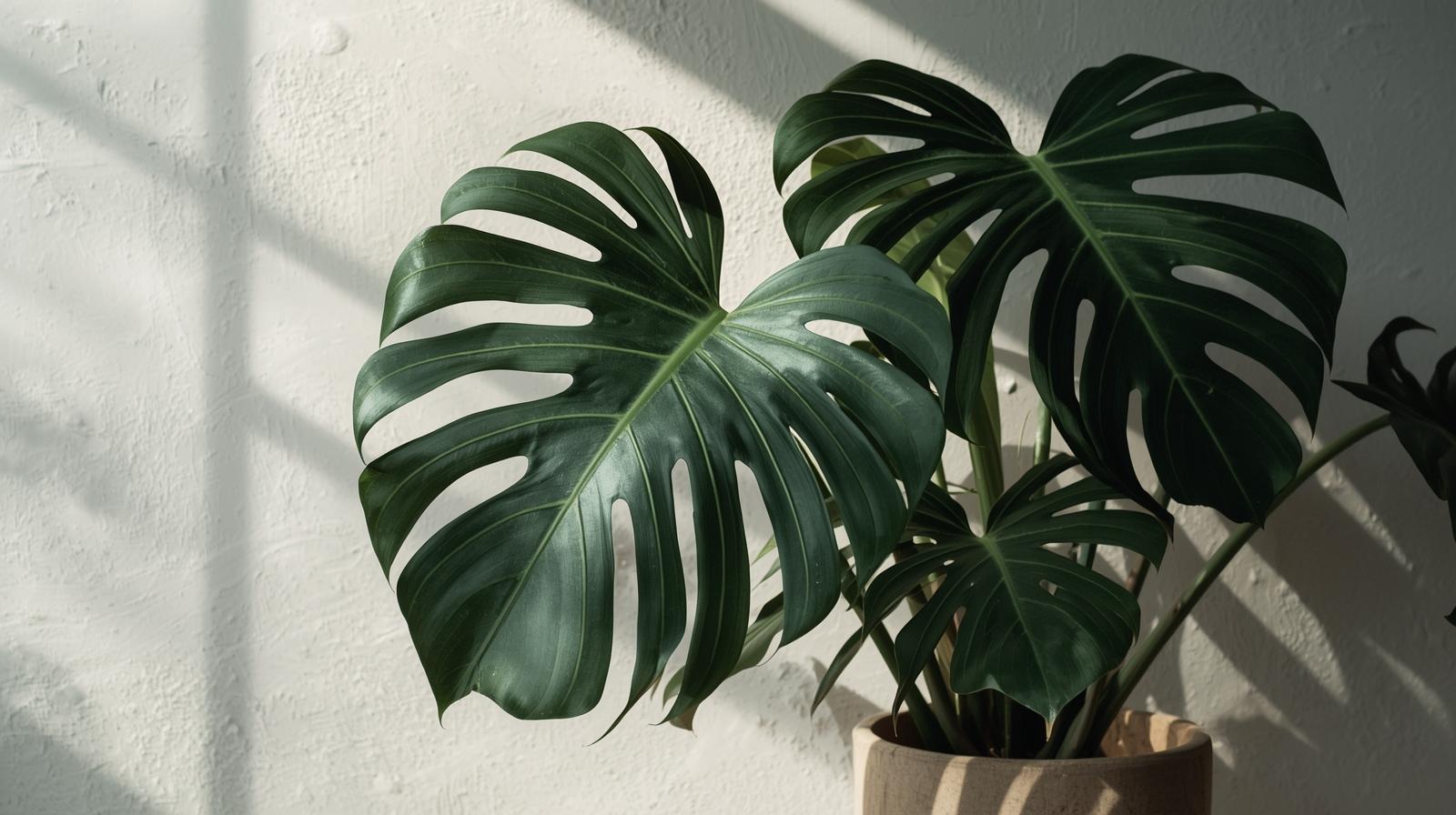
Use clean, sharp shears. Cut just above a node—the small bump on the stem where leaves and roots emerge. Angle the cut slightly so water doesn’t pool. And never remove more than a third of the plant at once. This isn’t surgery; it’s conversation.
For a deeper look at the philosophy behind the snip, explore our reflections on the art of pruning—where every cut is a gesture of faith in what’s to come.
Multiplying the Wildness
Propagation turns one plant into many—and one moment of care into a lifetime of sharing. Choose a stem section with at least one node and one leaf. Snip cleanly. Place it in water or moist soil. Wait.
Roots may take weeks. Don’t hover. Change the water weekly if you’re using the water method. Keep it warm, bright but indirect. When roots are a few inches long, pot it up. Or gift it—wrapped in moss, tucked in a handmade pot—to someone who needs a little wild hope.
For step-by-step visuals and troubleshooting tips, our full guide to propagating Monstera walks you through each quiet stage.
Living With Wild Growth
A mature Monstera doesn’t fit neatly into minimalist corners. It spills. It reaches. It demands space—and in return, offers sanctuary. Place it where its silhouette can play against a white wall, or near a reading chair where its leaves cast moving shadows in the morning sun.
Yes, it’s toxic to pets if chewed. Keep it high, or choose a room they don’t frequent. Not as punishment, but as coexistence. We share our homes with living things; respect flows both ways.
To live with a Monstera is to accept that growth is messy, uneven, and gloriously imperfect. It won’t conform. And that’s the point.
Common Questions
Why aren’t my Monstera leaves splitting?
Fenestration usually begins when the plant matures—around 2–3 years old. Young plants produce whole, heart-shaped leaves. Ensure it’s getting bright, indirect light and consistent care. Nature won’t be rushed.
Can I grow Monstera in low light?
It will survive—but barely. Low light leads to small leaves, no splits, and long, bare stems. Find it a brighter spot, even if it’s not direct sun. A north-facing window with reflected light often works.
How often should I fertilize?
Only during active growth—spring through early fall. Once a month, use a balanced, diluted liquid fertilizer. Skip it entirely in winter. Less is more.
Are brown leaf tips normal?
A little browning happens—especially in dry homes or with tap water high in minerals. Trim neatly if it bothers you, but focus on increasing humidity (a pebble tray, a nearby humidifier) and using filtered water.