
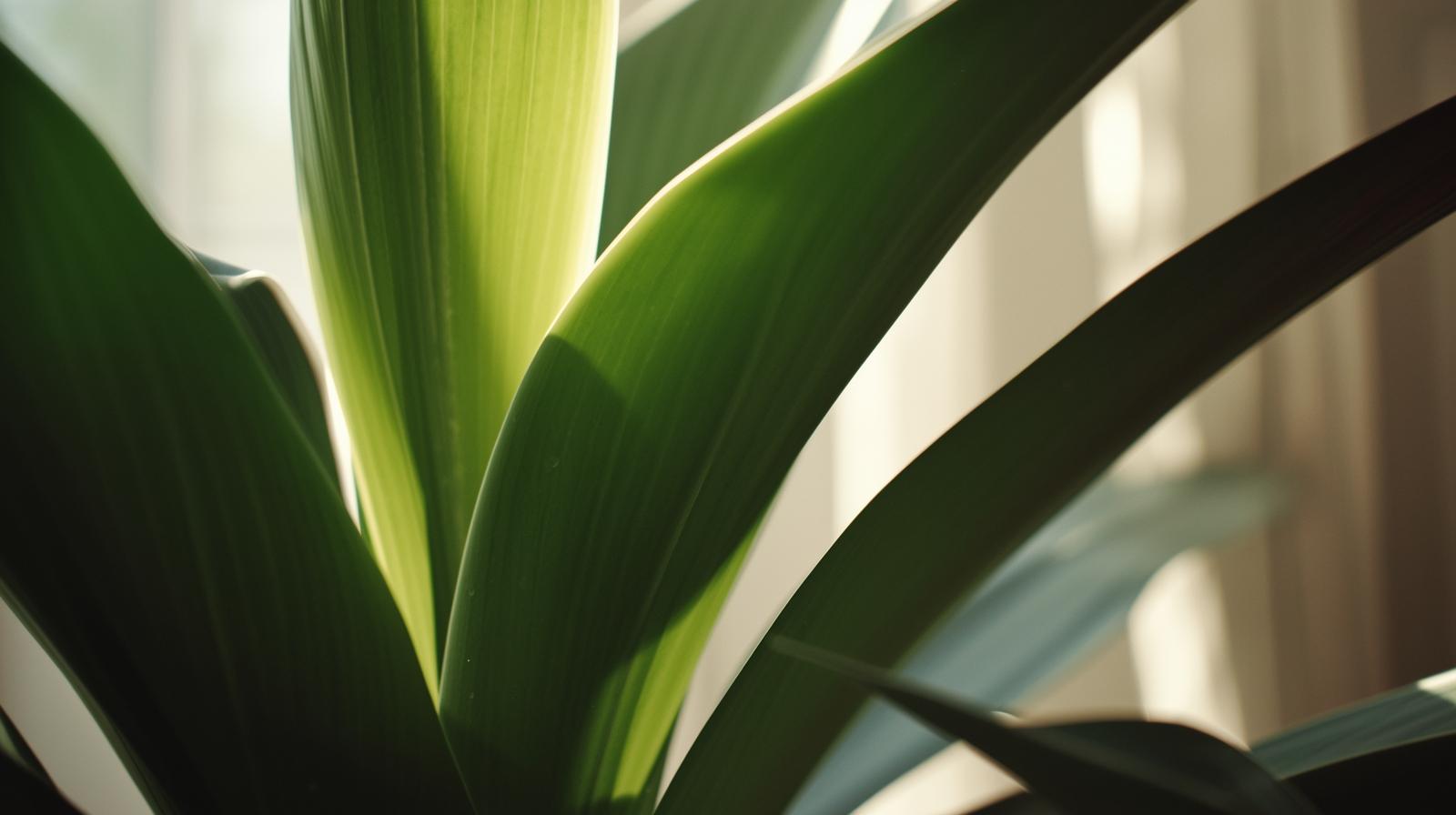
Time doesn’t rush the ZZ plant. While we scramble to meet deadlines, refresh inboxes, and chase the next milestone, this quiet green presence simply is—rooted, unhurried, unbothered. Its glossy leaves catch the dimmest light without complaint, and its thick, tuberous rhizomes store patience like currency. In a world that rewards speed, the ZZ plant whispers a counter-rhythm: endurance is its own kind of brilliance.
A Survivor from the Arid Edges of the World
The ZZ plant—Zamioculcas zamiifolia—wasn’t born in a greenhouse. It emerged from the sun-baked, rocky slopes of eastern Africa, where rain is a rumor and survival depends on thrift. Its fleshy underground rhizomes act like water vaults, its waxy leaves like sealed envelopes holding moisture tight. This isn’t laziness; it’s strategy.
That’s why it thrives in our modern interiors—spaces often starved of light, inconsistent in care, dry from forced air. It doesn’t expect abundance. It expects to endure. And it does, with a kind of quiet dignity that feels almost like wisdom.
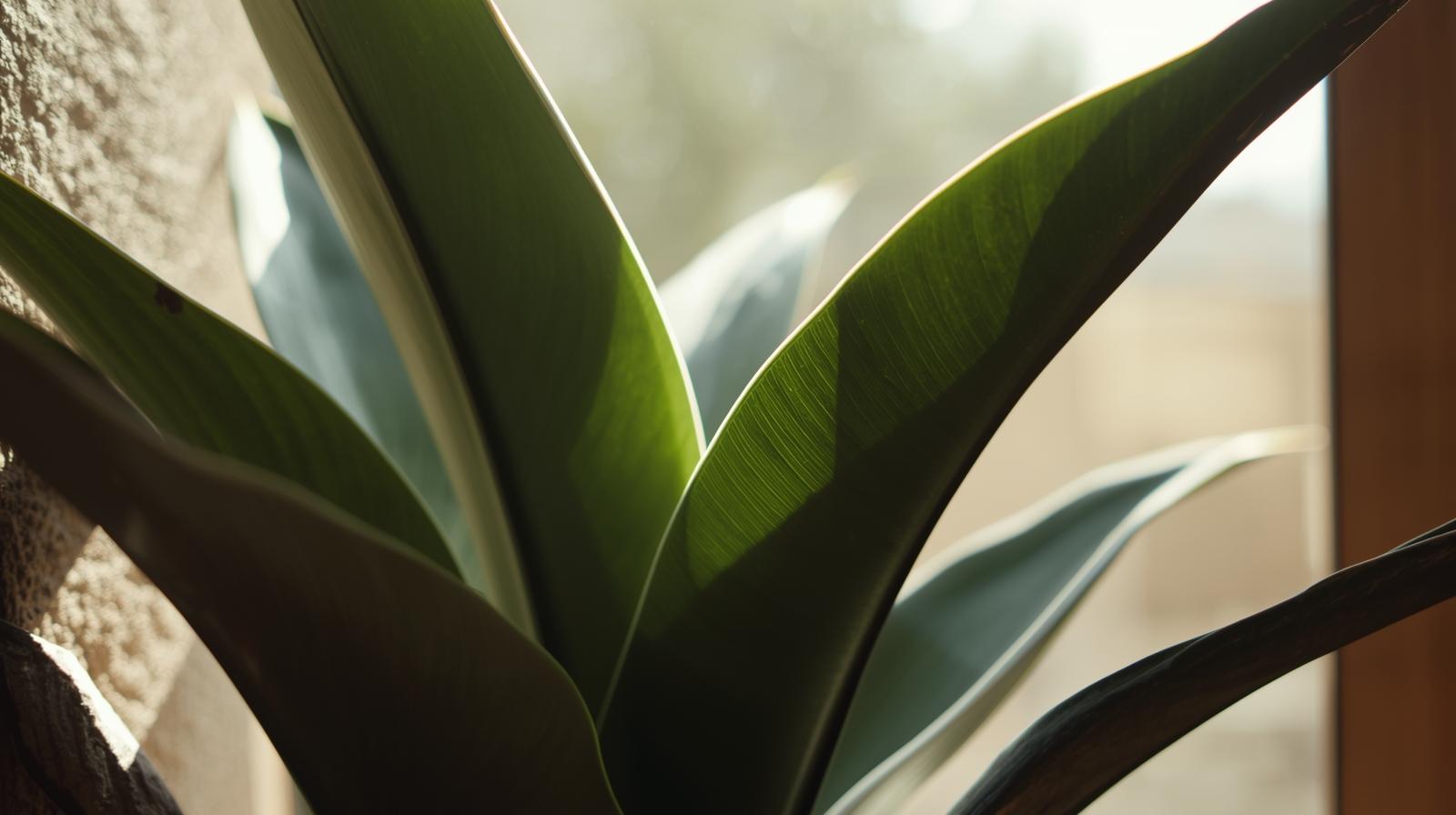
(You can almost hear it sigh when you forget to water it for a month. Not in protest—in understanding.)
The Quiet Thirst
People say the ZZ plant “doesn’t need water.” That’s not true. It needs water—just very, very little, and only when it asks. The trick is learning its language.
Stick your finger two inches into the soil. If it feels like dry sand, it’s time. If it’s cool or damp, wait. Better yet, lift the pot. A well-watered ZZ feels heavy, dense. When it’s dry, the whole thing seems lighter—as if the plant has shed weight to survive.
When you do water, soak it thoroughly until water runs from the drainage holes. Then let it drain completely. Never let it sit in a saucer of water. Those rhizomes rot faster than you’d think—especially in winter, when the plant barely breathes.
Use a pot with drainage. Unglazed terracotta is ideal; it breathes, pulling moisture from the soil like a slow exhale. This isn’t just horticulture—it’s trust. You’re saying, “I see your limits. I won’t drown you in kindness.”
The Art of Doing Nothing
The hardest part of caring for a ZZ plant is restraint. We’re trained to fix, to feed, to fuss. But here, the most loving act is often inaction.
Sit with it during a dry spell. Watch how its leaves stay taut, how the stems hold their posture. There’s a lesson in that: sometimes, holding still is how you stay whole.
Light as a Gentle Suggestion, Not a Demand
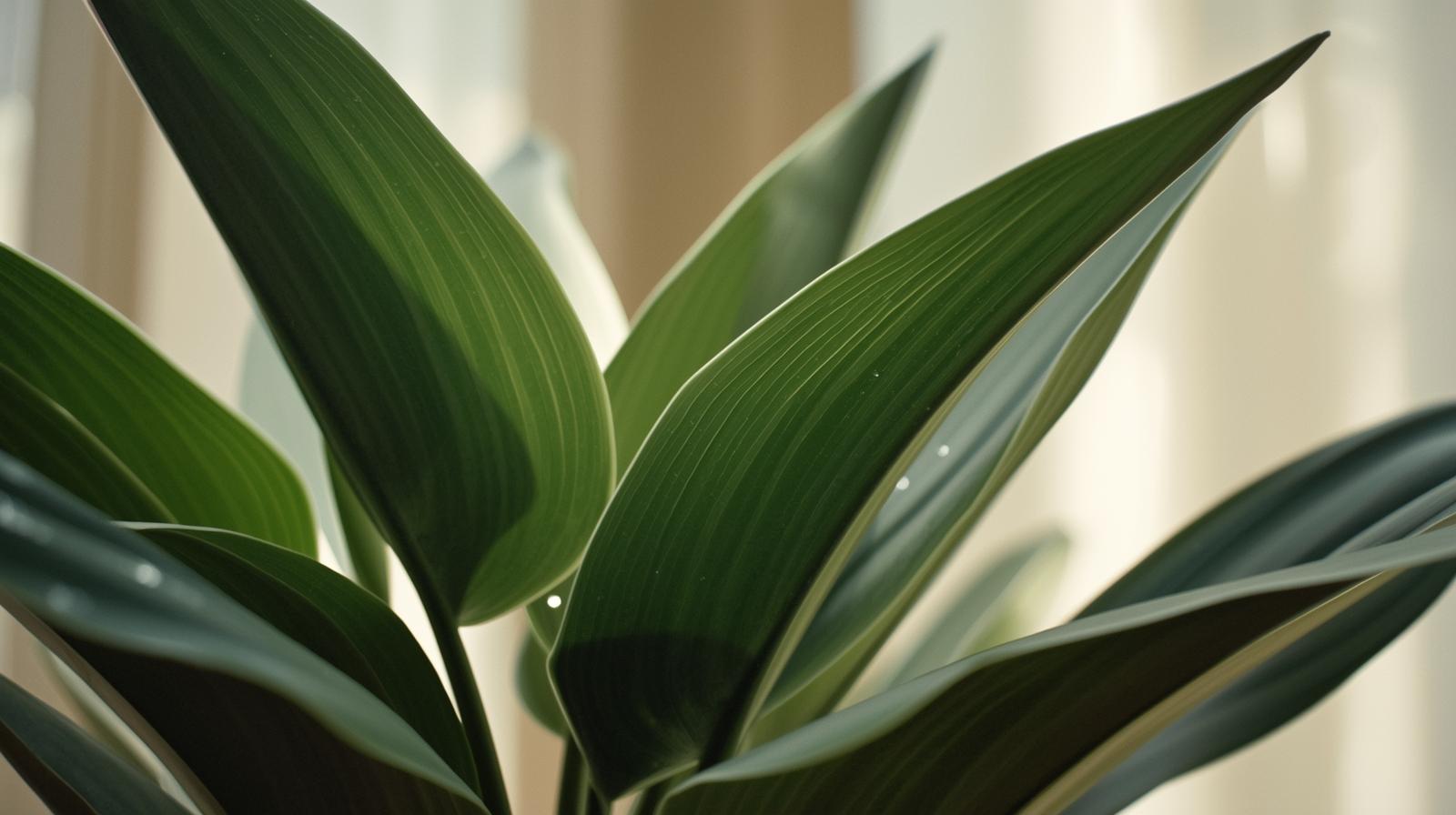
Bright, indirect light is ideal—but “ideal” is a luxury, not a requirement. A ZZ will live for years in a north-facing hallway, under the soft glow of a desk lamp, or tucked into a dim corner of a productive office nook. It won’t grow much, but it won’t fade either.
Avoid direct sun. Those thick leaves can scorch, turning pale or brown at the edges—like paper held too close to a flame. But deep, unchanging darkness? That’s a slow fade. If you notice stems stretching, leaning desperately toward a light source, or new leaves smaller than the last, it’s time to move it closer to a window.
Rotate it every few months. Just a quarter-turn. Watch how evenly it grows when given a full view of the room. It’s a small ritual—like turning a page in a slow, green book.
The Architecture of Stillness
Look at its form. Each stem rises from the soil like a quiet pillar, leaflets arranged in perfect symmetry—opposing pairs that mirror each other down the central rib. The leaves themselves are polished, almost lacquered, catching light like still water.
This is minimalist design made flesh. It doesn’t need companions to feel complete. A single ZZ on a bare oak shelf, against a white wall, becomes a sculpture. Negative space isn’t empty—it’s part of the composition.
In a cluttered room, it offers calm. In a sterile office, it offers life without demand. (It’s no wonder it’s one of the most reliable office plants for productivity—it asks for nothing but gives presence.)
And yes, it cleans the air—NASA noted its ability to filter xylene and toluene—but that feels almost incidental. Its real gift is stillness.
When Growth Feels Like Waiting
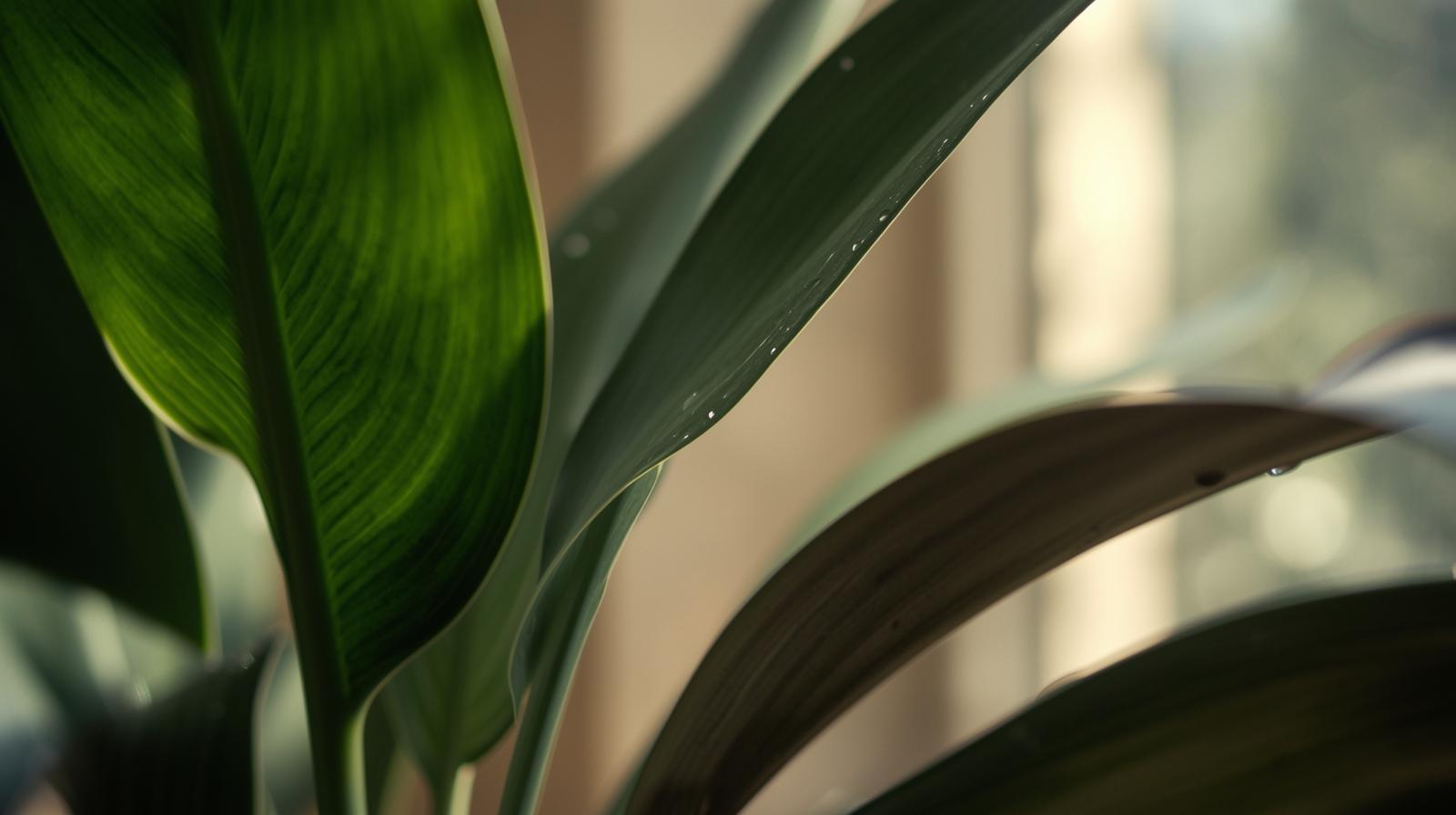
Don’t expect fireworks. Indoors, a healthy ZZ might send up one or two new stems a year. Each one unfurls slowly, like a scroll being read aloud. The leaves emerge pale green, then deepen to a rich, almost black-green as they mature.
That’s not stagnation. That’s integrity. Every leaf is built to last—thick, resilient, self-sufficient. Measure its health not by how tall it grows, but by how it holds itself. Are the leaves firm? Is the color deep and consistent? Then it’s thriving—even if nothing seems to be happening.
“Endurance is not the absence of struggle, but the quiet accumulation of small refusals—to wilt, to fade, to disappear.” — Adapted from a Tanzanian proverb
Companion Plants for the Unfussy Sanctuary
The ZZ plant makes an excellent anchor in a low-light sanctuary. Pair it with a snake plant for vertical contrast—their shared stoicism creates a calm rhythm. Or let a pothos trail nearby, its soft vines softening the ZZ’s geometric lines.
Avoid placing it next to ferns, calatheas, or other thirsty souls. Their needs clash, and you’ll end up overwatering one or starving the other. The ZZ belongs with the neglect-tolerant plants—the quiet survivors who understand the value of restraint.
Think of it as the steady friend in your indoor garden: never dramatic, never demanding, always there when you return from a long trip, unchanged and unshaken.
Resilience as a Daily Practice
Caring for a ZZ plant isn’t about perfection. It’s about showing up imperfectly—and being met with grace anyway. You forget to water it for six weeks. You move it to a darker room. You brush past it in the hallway without a glance. And still, it stands.
Place it where you’ll see it during moments of overwhelm—a desk, a bedside table, the entryway where you drop your keys. Run your fingers over a leaf when your thoughts race. Notice its cool, smooth surface. Feel its quiet solidity.
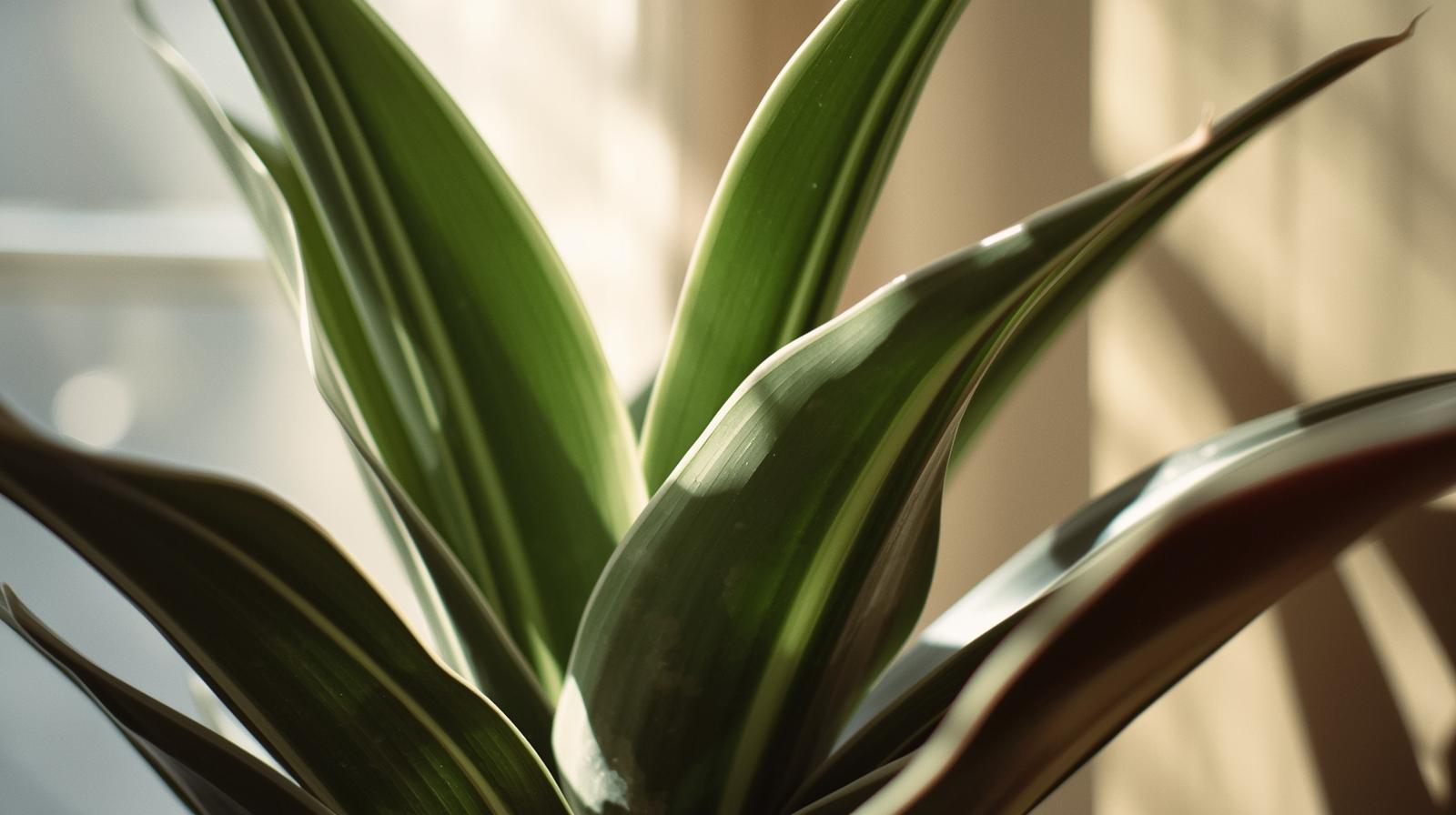
This is where mindfulness lives—not in grand gestures, but in small acts of attention. The ZZ doesn’t try to be resilient. It simply is. And in its presence, we remember that we, too, can endure—without fanfare, without collapse.
Common Questions
Can ZZ plants really survive in an office with no windows?
They can last for months—even years—in artificial light alone, but they’ll slowly weaken. For long-term health, give them occasional access to natural light or supplement with a small grow light. Think of it as a monthly “sun bath” for your green companion.
Why are my ZZ leaves turning yellow?
Overwatering is almost always the culprit. The rhizomes are suffocating. Stop watering immediately. Check the base of the stems—if they’re soft or mushy, gently remove the plant, trim any rotten parts, and repot in a gritty, fast-draining mix. Let it dry out for a week before watering again.
Is the ZZ plant toxic?
Yes. It contains calcium oxalate crystals, which can irritate the mouth and digestive tract if ingested. Keep it away from curious pets and small children. Wash your hands after pruning or repotting—just in case.
How do I propagate a ZZ plant?
You can root a single leaf in water or soil, but be warned: it takes patience. We’re talking 6 to 12 months before you see a tiny rhizome form. Division is faster—gently separate a section of rhizome with roots and a stem during repotting. Either way, the plant teaches the same lesson: good things grow slowly.
The Last Leaf Standing
At dusk, when the house settles into quiet, go sit with your ZZ plant. Watch how the fading light glides across its leaves—how they hold the last amber glow without grasping for more.
It doesn’t bloom. It doesn’t climb. It doesn’t beg for attention. And yet, it persists. Through dry spells, through forgotten weeks, through fluorescent-lit winters. It endures not because it’s tough, but because it knows how to wait.
Resilience isn’t loud. It’s the quiet hum of life continuing, even when no one is watching. And sometimes, that’s enough.