
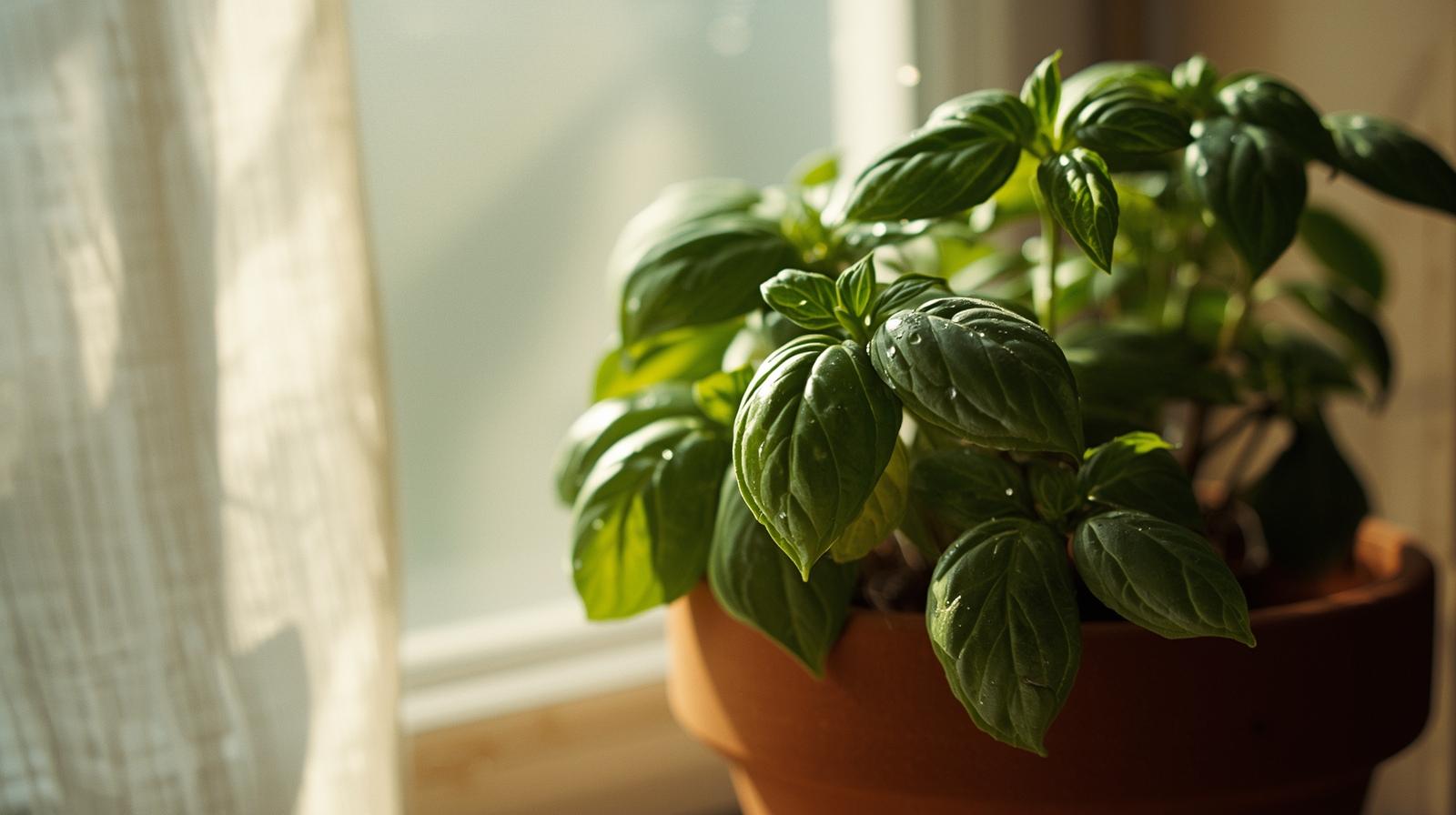
Time doesn’t rush the rubber plant. While we scroll, sprint, and reset our routines with the seasons, it simply grows—deliberate, upright, unshaken. Its broad leaves hold light like still water, and its trunk thickens with the quiet confidence of something that knows it belongs exactly where it is. In a world bent on flexibility, the rubber plant offers something rarer: structure.
The Architecture of Stillness
Ficus elastica isn’t just a plant you place in a corner—it’s a living column. Its vertical form cuts through visual clutter, offering a silent counterpoint to the chaos of modern interiors. Native to the humid forests of Northeast India and Indonesia, it evolved to stand firm beneath dense canopies, drawing strength from steady conditions rather than dramatic shifts.
That same resilience translates indoors. When positioned near a reading chair or beside a desk, its presence calms the eye—much like a well-placed sculpture. And it’s not just visual. The dense, leathery leaves actually help soften ambient noise, contributing to a quieter, more centered space. (You’ll find more on how plants absorb noise if you’ve ever wondered why some rooms just feel quieter with greenery.)
Reading the Leaves: A Language of Light and Thirst
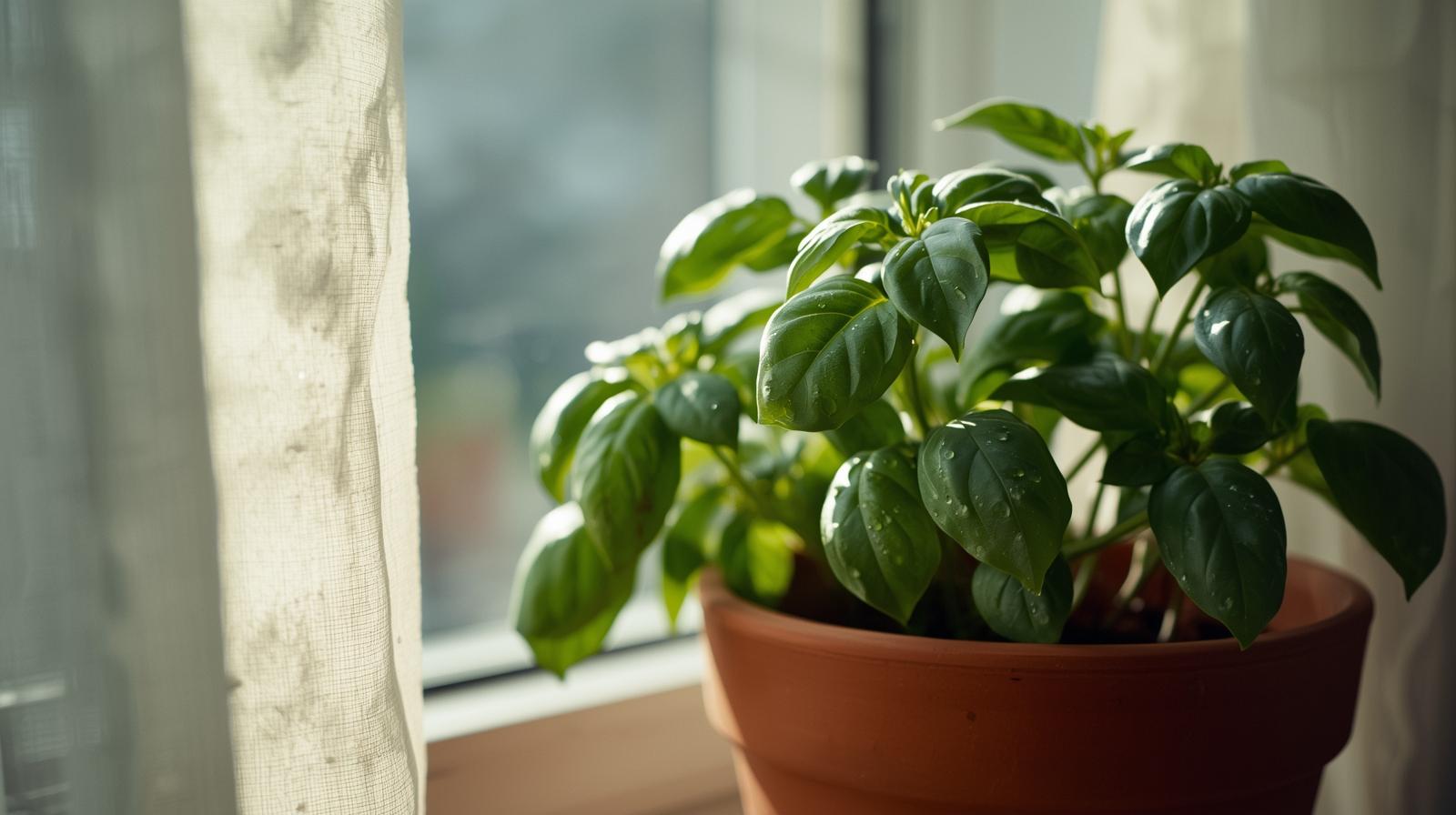
Watch how the rubber plant turns its face to the window. Not all at once—but slowly, over days. Its leaves tilt toward the light like compass needles, glossy and alert. That sheen is a sign: it’s hydrated, settled, thriving.
If the leaves dull or droop, don’t panic. Check the soil. Feel the air near the window. Has the radiator kicked on? Cold drafts or dry heat unsettle it more than missed waterings. Place it where light is bright but indirect—east or west-facing windows are ideal. Rotate it a quarter-turn every few weeks so it grows evenly, not lopsided toward the sun.
And notice how the light changes it. In golden hour, the leaves glow amber at the edges. On gray days, they deepen to forest green. This is plant-keeping as observation, not chore. (For more on curating light that nurtures both plants and mood, see our guide to lighting for ambiance.)
The Quiet Thirst
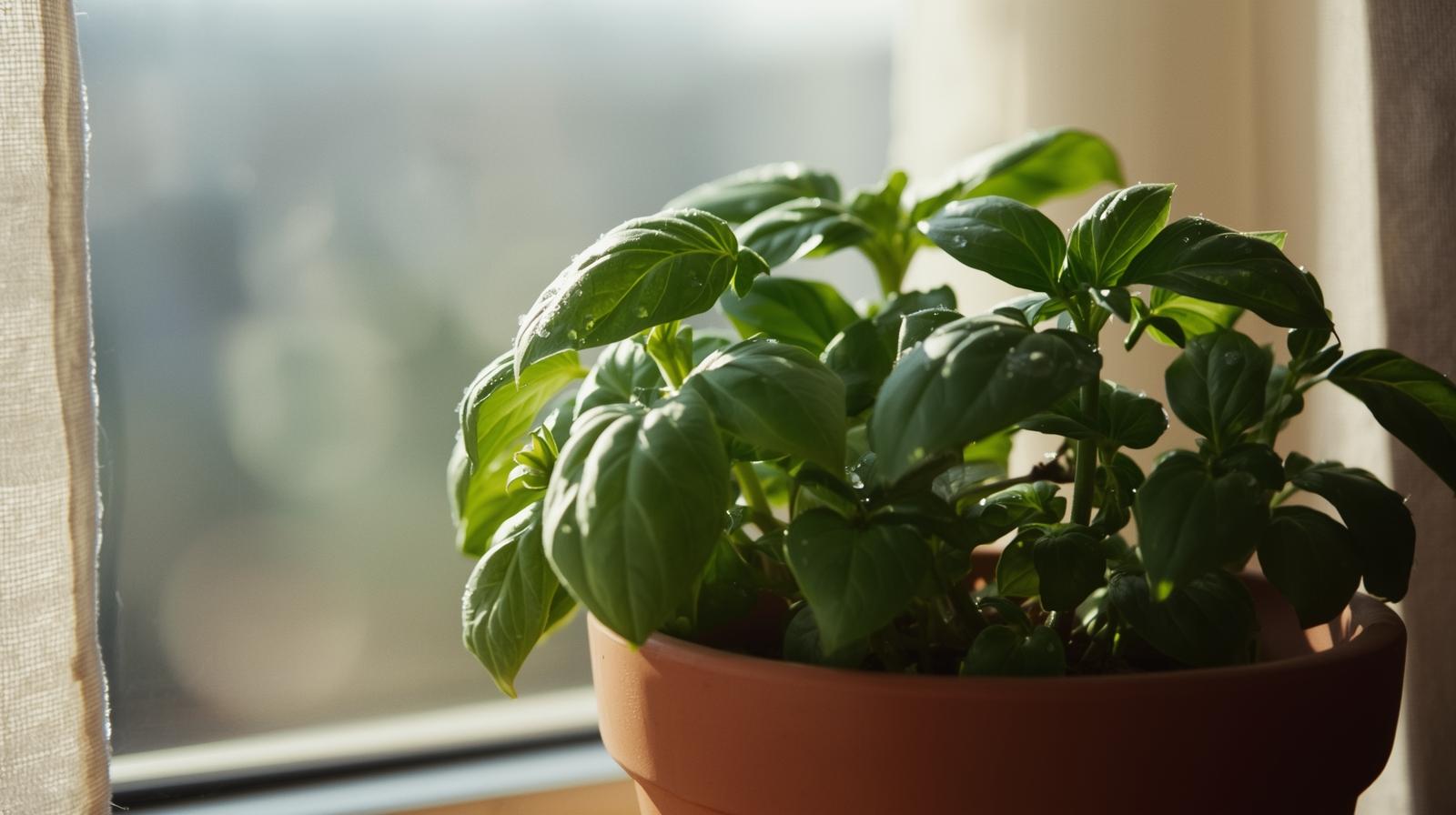
Rubber plants store water in their thick stems. They remember drought. So they don’t ask often.
Press your finger into the soil—two knuckles deep. If it’s dry, water slowly until it trickles from the drainage hole. If it’s cool and damp, wait. In winter, you might go three weeks between drinks. In summer, maybe once a week. There’s no calendar for this. Only attention.
And when you do water—use room-temperature water. Cold shocks the roots. Pour gently, or better yet, set the pot in a shallow tray and let it drink from below. The soil will darken as it soaks upward. Wait an hour, then drain any excess. This method keeps the leaves dry, preventing those unsightly brown spots.
Wiping Time: The Ritual of Clean Leaves
Dust settles fast on those broad, waxy surfaces. Not just city grime—kitchen grease, pollen, the fine ash of everyday life. Left untouched, it clogs the tiny pores (stomata) where the plant breathes and feeds.
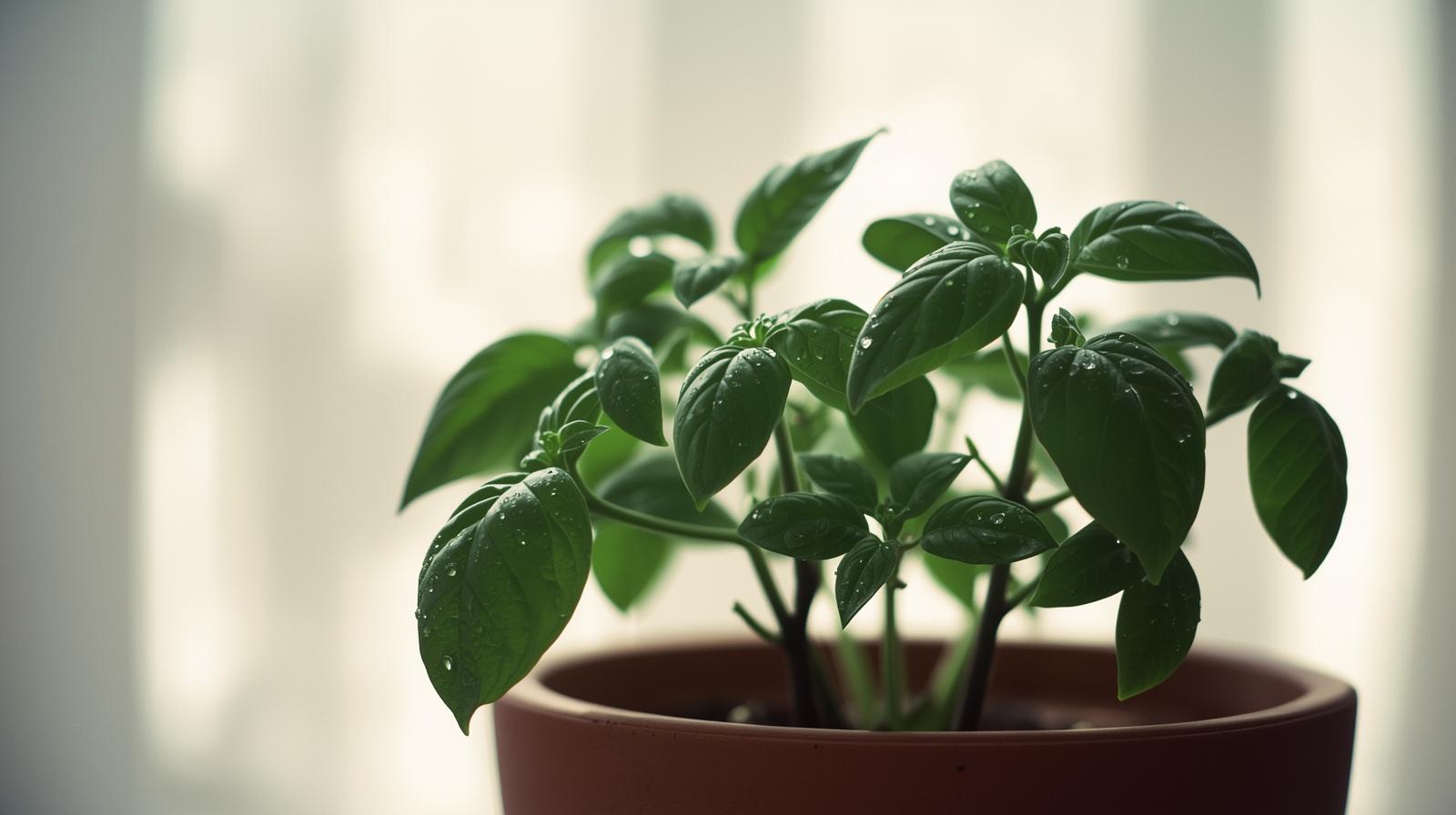
So once a week, make it a ritual. Dampen a soft microfiber cloth—not soaking, just moist. Cup one hand beneath a leaf for support, and wipe from base to tip in one smooth stroke. Feel the texture change under your fingers: from gritty to slick, from dull to gleaming.
This is where care becomes presence. No phone. No playlist. Just you, the plant, and the quiet rhythm of cleaning. (We’ve written more about this mindful act in our piece on cleaning plant leaves—a practice as much for the keeper as the kept.)
When It Reaches—Pruning as Partnership
Sometimes, the rubber plant grows too tall for the room. Or it sheds its lower leaves, leaving a bare, woody stem. This isn’t failure—it’s an invitation.
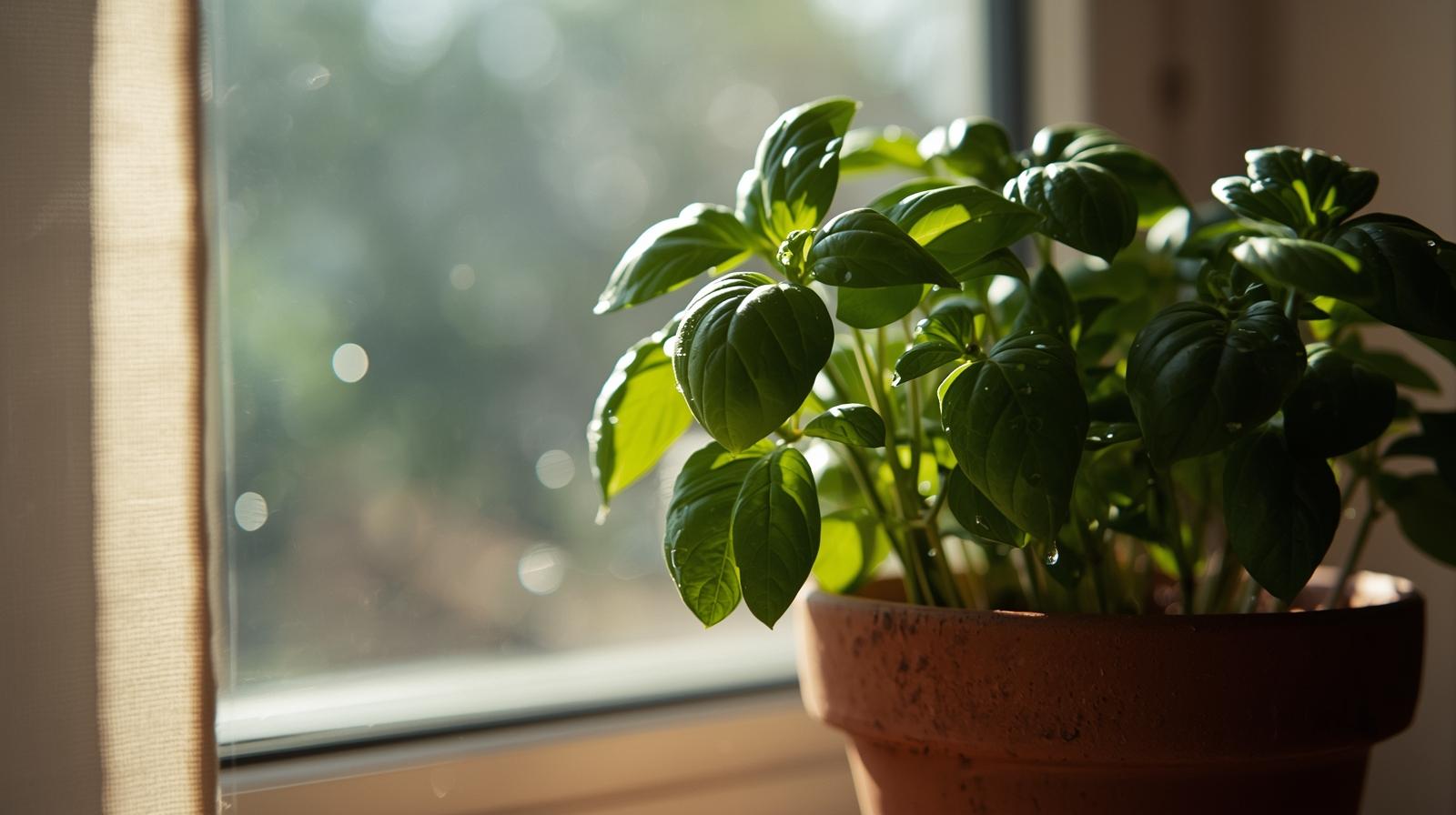
Pruning isn’t about control. It’s a conversation. You’re asking, “Can we reshape this together?” Use clean, sharp shears. Wear gloves—the milky sap is sticky and can irritate skin. Cut just above a leaf node, at a slight angle. New growth will emerge there, bushier and more balanced.
And don’t toss the cutting. Place it in a jar of water on a bright sill. In weeks, pale roots will thread downward. That’s your next plant—born from release, not accumulation.
“Growth is not always about adding. Sometimes, it’s about holding space for what remains.” — Anonymous
The Rubber Plant in Your Sanctuary
Place it where you need grounding. By the front door, so its upright form greets you like a silent guardian. Beside your bed, where its steady silhouette offers calm in the dark. In a home office, where its unchanging posture becomes a visual anchor during scattered days.
Choose a pot with heft—terracotta, stone-glazed ceramic, or concrete. Something that matches its quiet authority. Keep the base clear of clutter; let the plant breathe into the negative space around it. And if you share your home with pets, tuck it just out of reach. The sap isn’t kind if chewed.
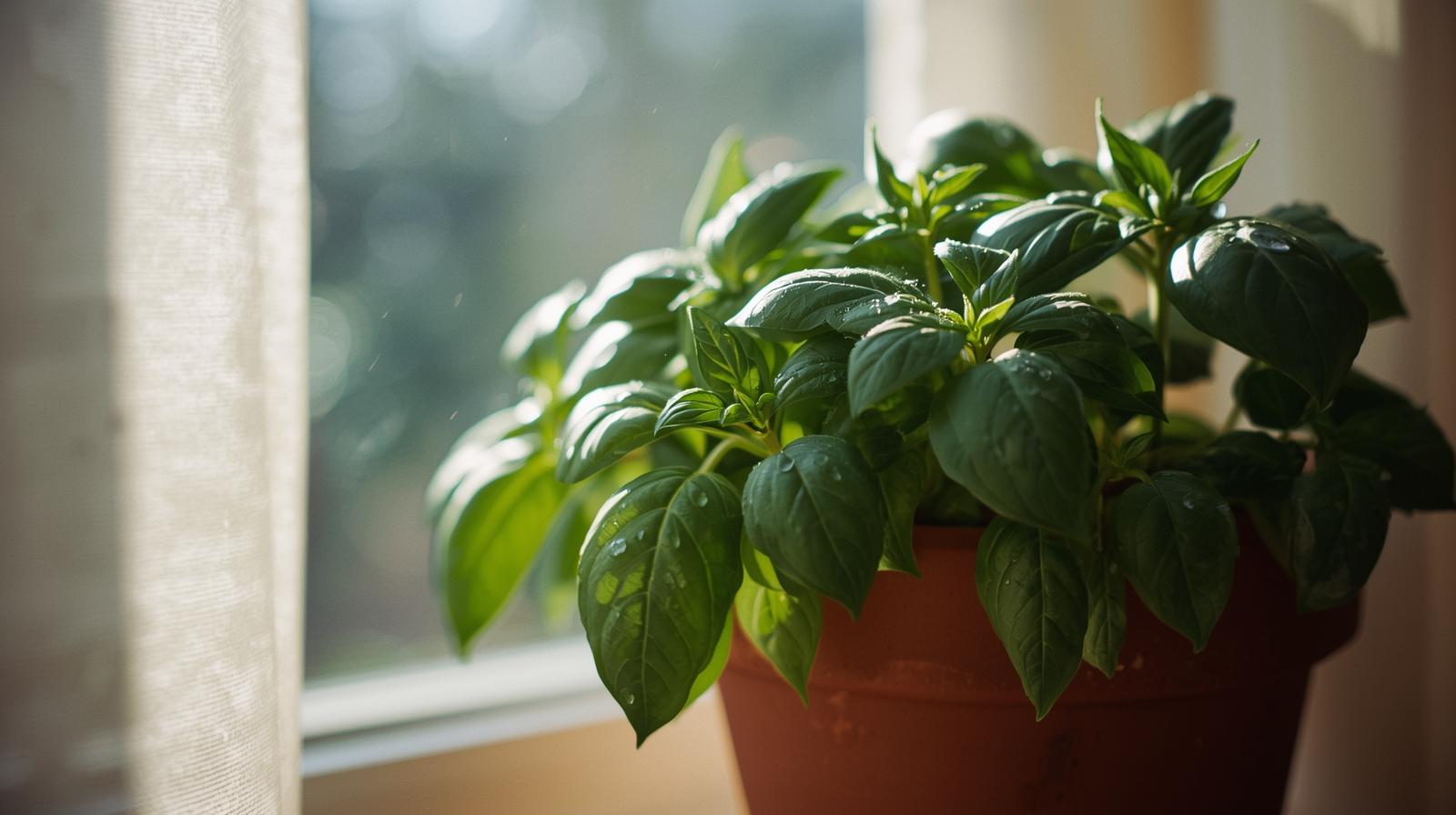
Mostly, let it be. Don’t fuss. Don’t rearrange it daily. Its power lies in its constancy—how it stands, season after season, while everything else shifts.
Common Questions
Is the rubber plant hard to care for?
Not at all. It thrives on consistency, not constant attention. Avoid cold drafts, soggy soil, and deep shade—and it will reward you with steady, architectural growth.
Why are my rubber plant’s leaves turning yellow?
Most often, overwatering. The roots suffocate in wet soil, and the leaves respond by yellowing and dropping. Check drainage. Repot if the soil smells sour or feels perpetually damp.
Can I keep a rubber plant in a low-light apartment?
It will survive—but it won’t develop that lush, structured form. For true vitality, it needs bright, indirect light. A simple grow light on a timer can bridge the gap in dim spaces.
How fast does it grow indoors?
About 12 to 24 inches a year under good conditions. Not frantic. Not stagnant. Just… growing. Like a life lived with intention.