
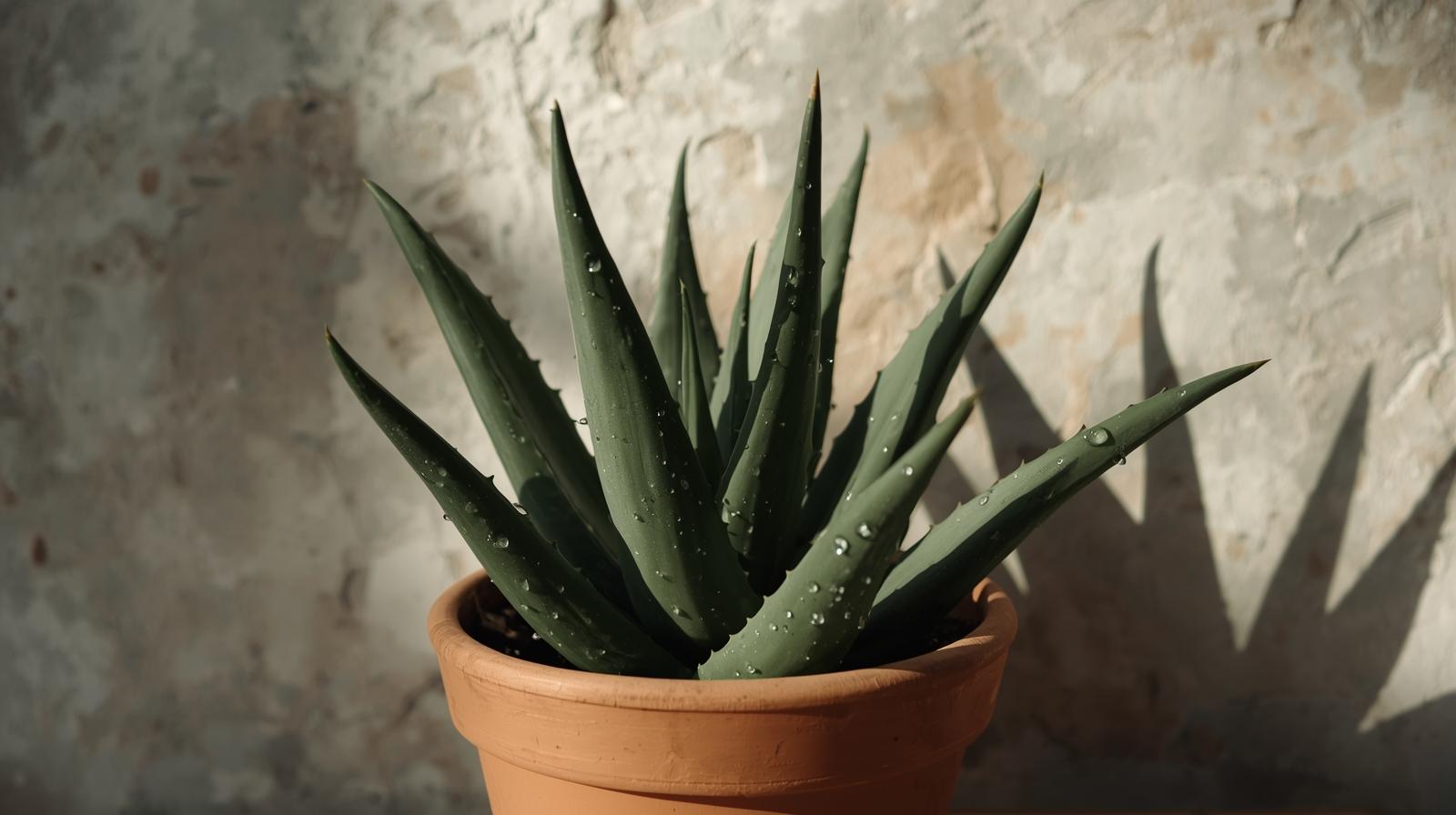
Morning light slants through the kitchen window, catching the dew-like beads along the edge of a thick, fleshy leaf. The air smells faintly of clean linen and something green—alive but quiet. You reach for the aloe, press a fingertip to its cool skin, and remember: this plant has never asked for much, yet has always given back. It sits there, unassuming, a silent guardian with gel-filled veins and centuries of stories folded into its spines.
The Unhurried Healer
There’s a reason aloe vera traveled from the sun-baked edges of the Arabian Peninsula to perch on your sill. It doesn’t demand attention—it earns trust. Its growth is slow, almost meditative, refusing to rush even when you wish it would fill that corner faster. That’s its quiet wisdom: healing isn’t loud. It doesn’t announce itself with fanfare.
Keep it in the kitchen, not the medicine cabinet. Not because it’s convenient—but because presence matters. When you nick your finger chopping onions, or brush too close to a hot pan, reaching for a leaf becomes a ritual. You snip, you squeeze, you wait. In that pause, breath returns. The sting fades, yes—but so does the day’s static.
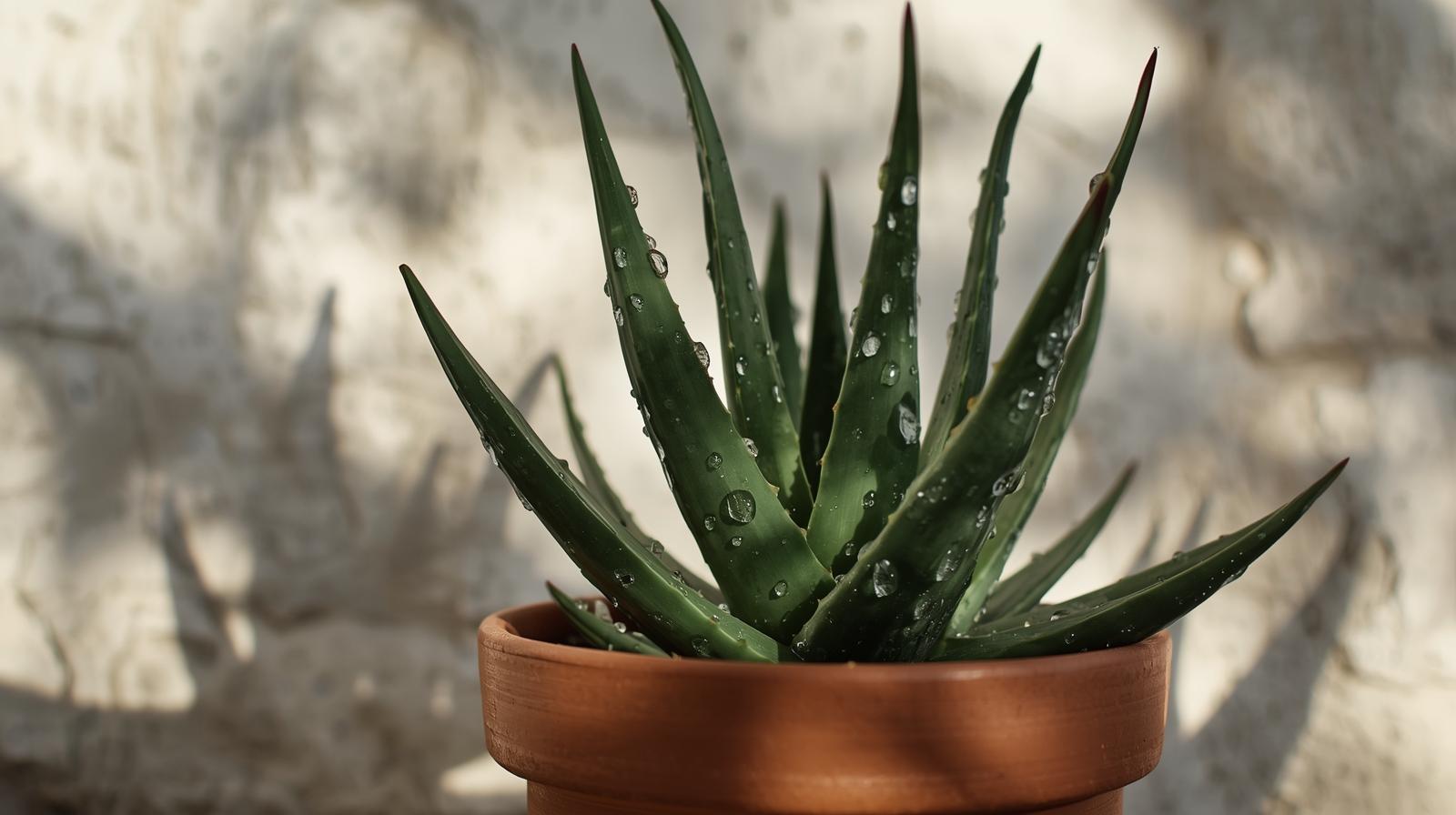
(And that gel? It pools like cool glass—slippery, clear, faintly vegetal. Nothing like the neon-green gels in plastic tubes.)
When History Blooms on Your Counter
Cleopatra anointed her skin with it. Alexander the Great conquered cities just to secure aloe fields for his wounded soldiers. Spanish monks carried it in clay pots across oceans, believing it held divine protection. Now, it lives beside your coffee maker—still offering solace, just in quieter ways.
Its resilience made it one of the first succulents to thrive indoors, long before we had grow lights or humidity meters. If you’re new to succulents, aloe is a forgiving companion—much like the ones described in our indoor succulent guide, where simplicity meets survival.
Reading the Language of Leaves
Aloe doesn’t speak—but it signals. Learn its dialect.
Leaves stretching thin, leaning desperately toward the window? It’s not begging. It’s reaching. Move it closer to the light, or rotate the pot weekly so all sides get their turn in the sun. Think of it as giving your plant a new view—something we all need now and then.
Brown, crispy tips? Often, it’s the tap water. Fluoride and chlorine build up over time. Let your watering can sit out overnight, or use rainwater if you can. Mushy base? That’s grief. Too much love, too often. Succulents store water in their leaves—they drown in soggy soil.
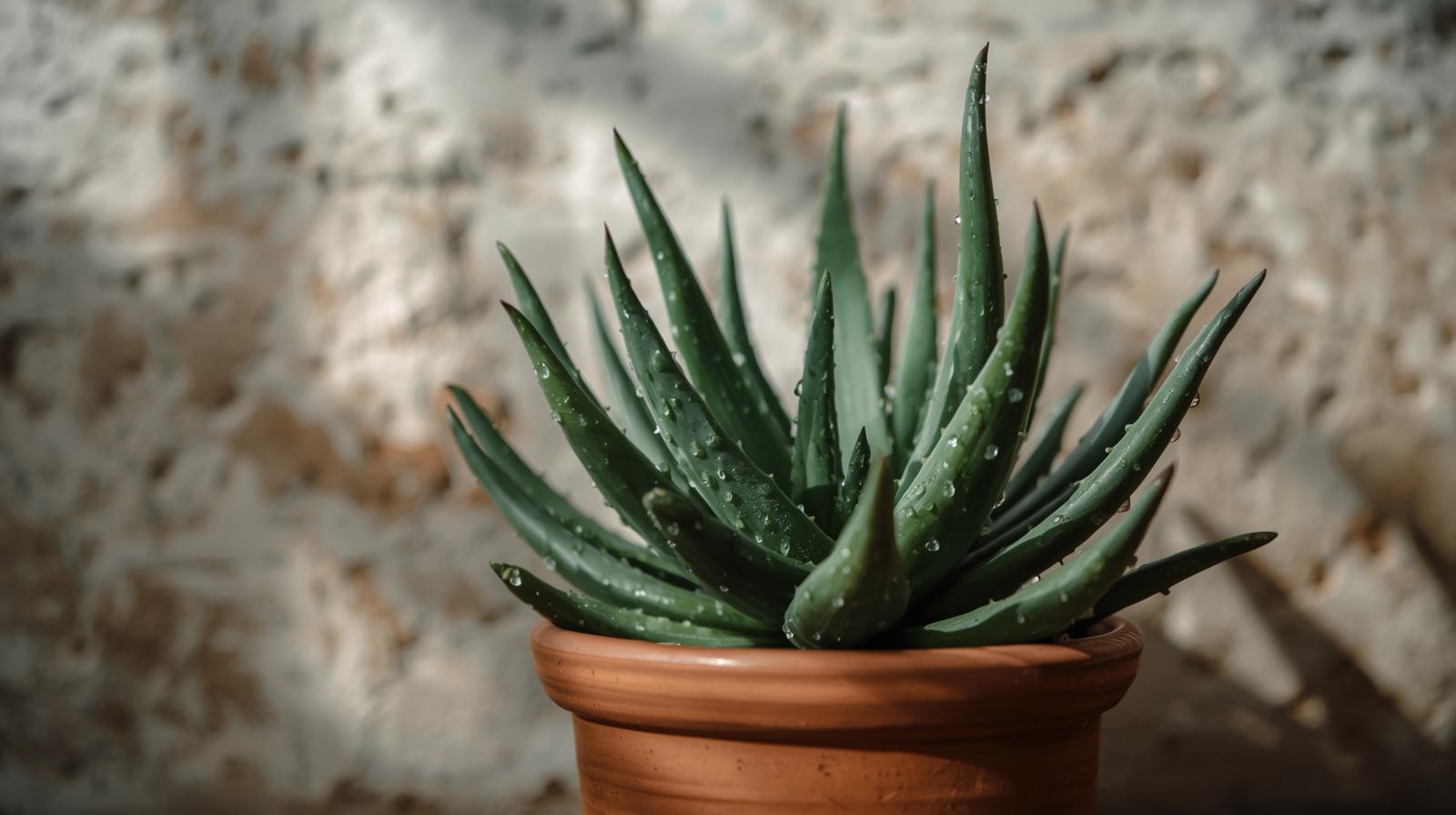
Run your hand along a healthy leaf. It should feel firm, cool, slightly waxy—like sea glass warmed by sun. Not limp. Not brittle. Just… present.
The Quiet Thirst
Watering aloe is an exercise in restraint. It thrives on neglect—not cruelty, but space. The mantra is simple: soak deeply, then wait until the soil is bone-dry two inches down. Stick your finger in, or use a chopstick. If it comes out clean, it’s time.
When you do water, use room-temperature water—cold shocks the roots. Pour slowly until it trickles from the drainage holes. Then walk away. Don’t hover. Let it drink in its own time.
This is where terracotta pots become allies. Their porous walls breathe, pulling excess moisture from the soil and forgiving your occasional overzealous pour. They’re not just pretty—they’re practical partners in patience.
Growing Your Circle of Care
One day, you’ll notice small offsets huddled at the base of your plant—pups, soft and hopeful. This is aloe’s quiet generosity. It’s saying, “You’ve cared well. Now share.”
To propagate: wait until the pup is at least one-third the size of the mother and has its own roots. Gently separate it with a clean, sharp knife. Let the cut callous over for a day or two—like letting a scrape form a scab before it heals. Then nestle it into a gritty, fast-draining mix. Don’t water right away. Let it settle.
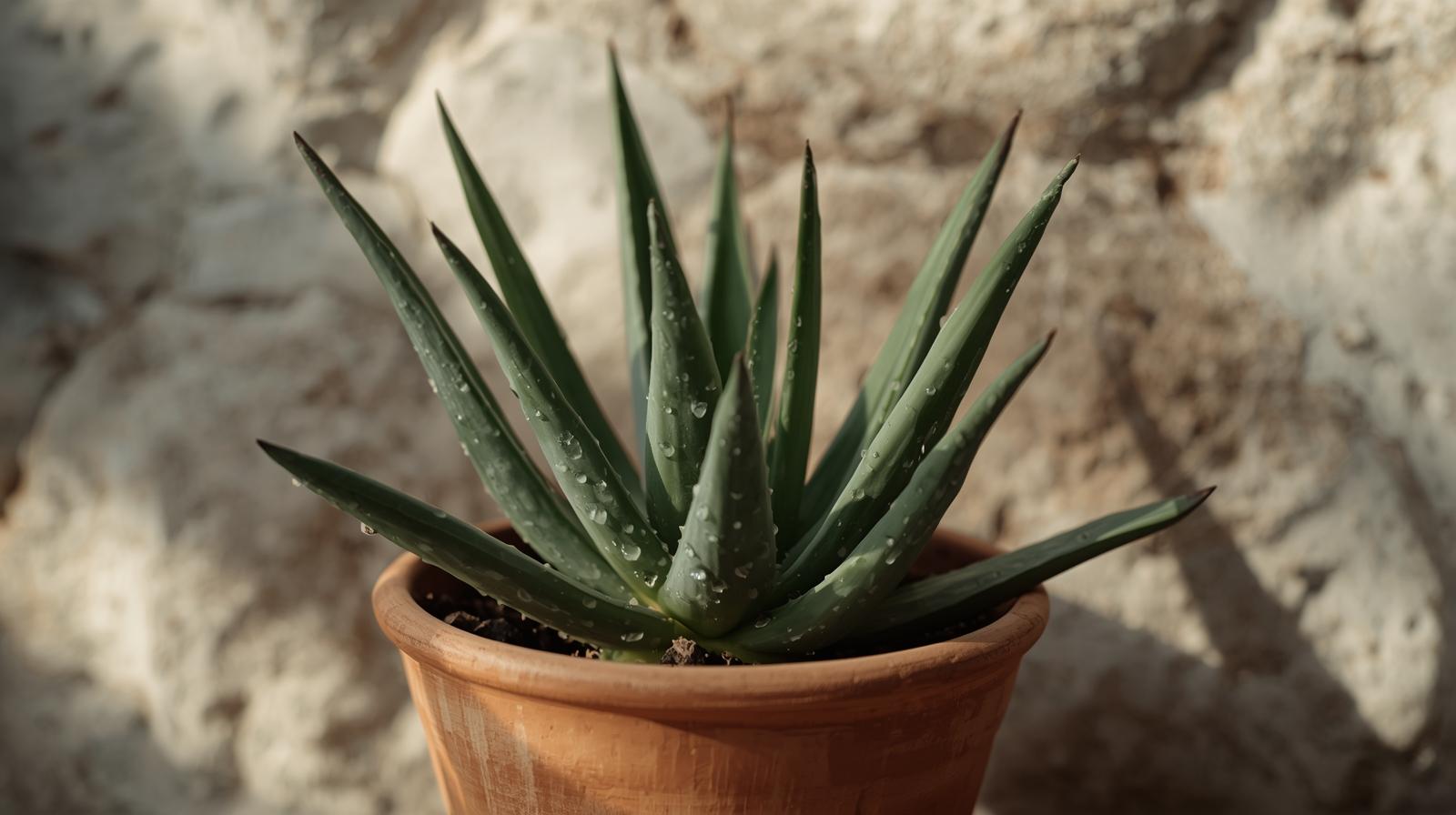
It’s more than propagation. It’s an act of trust. You’re passing on calm, wrapped in green.
“Plants do not grow in a hurry. They grow in faith—rooted in darkness, reaching for light.” — Anonymous gardener’s proverb
For a step-by-step visual guide, our notes on propagating aloe pups walk you through each quiet moment.
Beyond the Burn: Everyday Alchemy
Yes, aloe soothes burns—but its gifts go deeper.
Blend fresh gel with a drop of lavender oil, smooth it onto your scalp before bed, and wake to softer hair. Use it to gently wipe away eye makeup—no stinging, no chemicals. Or mix a spoonful with water and mist it on dusty houseplant leaves; they’ll gleam like they’ve just been rained on.
But be careful: only use gel from true Aloe vera (not ornamental aloes). And avoid the yellow sap near the rind—that’s aloin, and it can irritate. Scoop only the clear inner flesh. Store extra in a small jar in the fridge, labeled with the date. It keeps for a week—long enough to carry a bit of calm into the next small crisis.
The Windowsill as Sanctuary
Don’t tuck aloe in a corner and forget it. Place it where you’ll meet it daily—while waiting for the kettle to boil, while washing dishes, while watching rain blur the glass. Let it be a companion in ordinary moments.
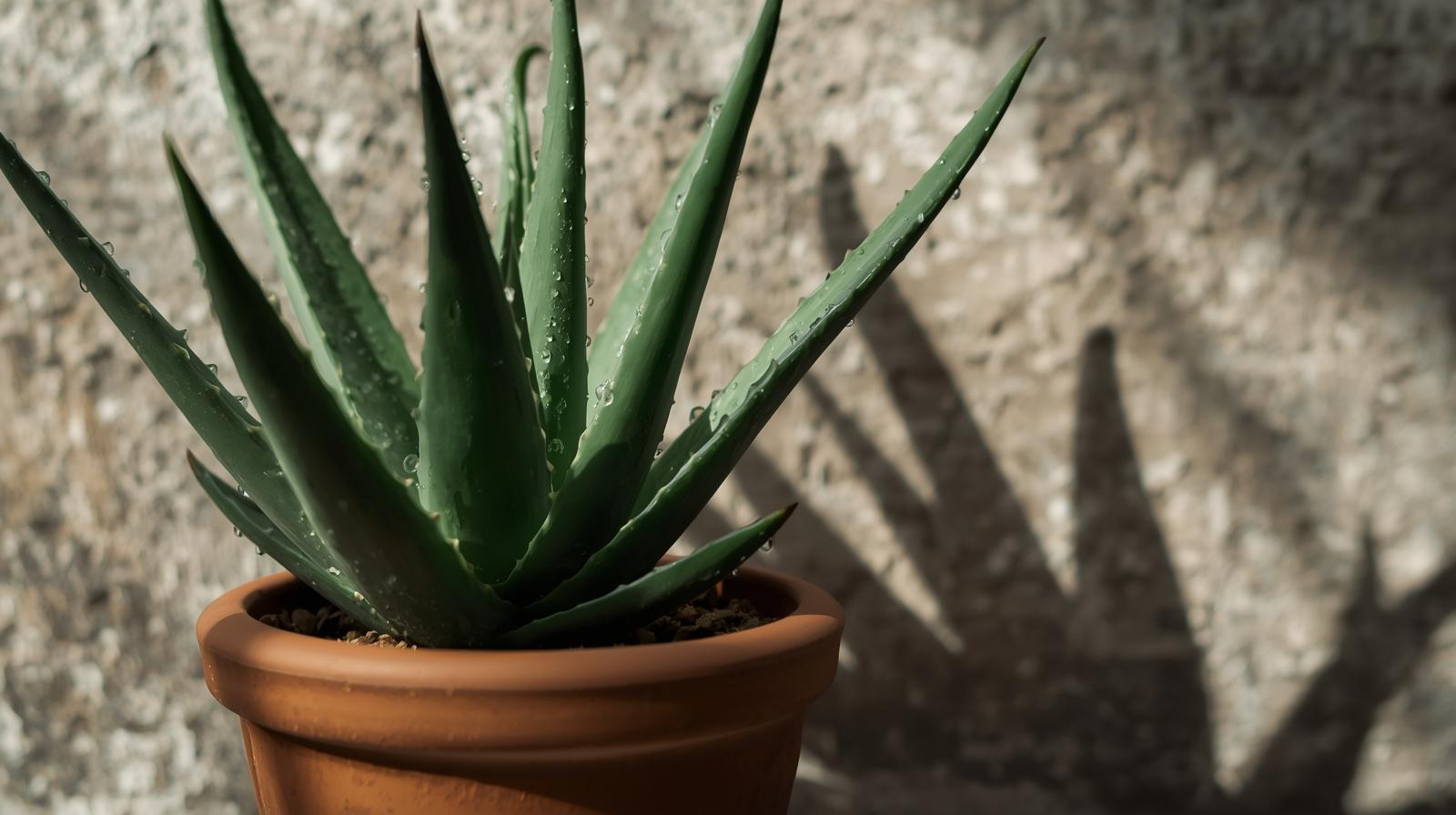
It loves bright, indirect light—morning sun is ideal. Afternoon glare? Too harsh. Deep shade? It’ll fade. Find that golden middle: a spot where light pools but doesn’t scorch.
Keep its space uncluttered. A simple wooden tray. A smooth river stone beneath the pot. Let its sculptural form breathe. Negative space isn’t empty—it’s respect.
And on days when your thoughts feel tangled, just stand beside it. Watch how it holds its shape without effort. How it gives without keeping score. Sometimes, that’s enough.
Common Questions
Can I use aloe vera gel straight from the plant on my face?
Yes—after a patch test. Scoop the clear inner gel, avoiding the yellow latex near the rind. That part can irritate sensitive skin.
Why is my aloe turning brown and soft?
Most likely overwatering. Succulents store water in their leaves; soggy soil rots the roots. Repot in dry, gritty mix and hold off watering for 10 days.
How often should I fertilize my aloe?
Rarely. Once in early spring with diluted succulent fertilizer (half-strength) is plenty. It’s a minimalist—excess nutrients stress it.
Do aloe plants flower indoors?
Rarely—but not impossible. Mature plants (over four years old) in bright, consistent light may send up a tall stalk of tubular yellow-orange blooms. It’s a quiet celebration of patience, nothing more.