

There’s a quiet wisdom in the way plants surrender. As daylight shrinks and the air sharpens, your jungle doesn’t panic—it exhales. It draws inward, trading exuberance for endurance. Winter isn’t a threat to your green companions; it’s an invitation to slow down, to listen more deeply, to care with intention rather than habit. In this season of contraction, tending becomes less about growth and more about presence.
The Language of Dormancy
Dormancy isn’t sleep—it’s a recalibration. Your fiddle-leaf fig isn’t sulking; its roots are conserving energy, its metabolism dialing back like a pilot light. Tropical houseplants rarely go fully dormant indoors, but their pace shifts. Growth slows. Leaves unfurl with deliberation. The soil stays damp longer, not from neglect, but because the plant is simply drinking less.
Watch for this: fewer new shoots, a slight dullness in leaf sheen, stems that feel firm but not taut. These aren’t signs of failure. They’re signals of adaptation.
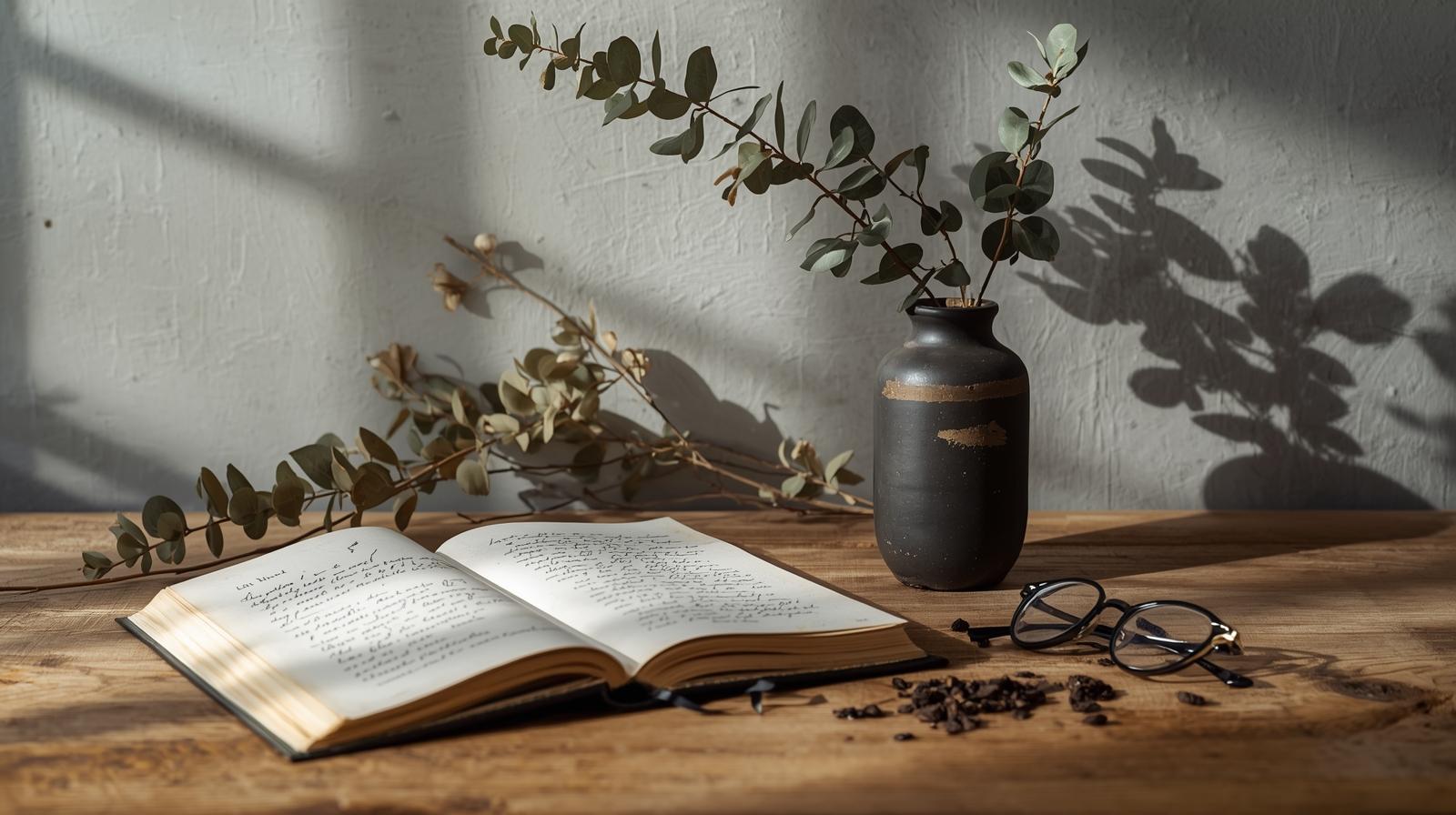
“Nature does not hurry, yet everything is accomplished.” — Lao Tzu
Reading Your Plant’s Winter Body Language
Run your fingers along a stem. Is it pliable or brittle? Gently nudge the soil near the surface—does it pull away from the pot’s edge? These are whispers. Yellowing on older leaves? Often just shedding weight for the season. But if new growth browns at the tips or stems go mushy, that’s distress, not dormancy.
Try this: once a week, sit with one plant for ninety seconds. No watering, no pruning—just observation. Notice how the light falls across its leaves at dusk. You’ll start to see patterns your eyes missed when you were always doing, not being.
The Quiet Thirst
Watering in winter is less about schedule and more about conversation. Stick your finger in—past the first knuckle, even the second. If it’s cool and slightly clingy, wait. If it’s dry and crumbly, it’s time. But don’t rush. Even thirsty plants drink slower when it’s cold.
And never, ever use icy tap water straight from the faucet. Let it sit overnight in a glass jar on your counter. The water warms, the chlorine dissipates, and pouring it feels like offering something kind—like tea to a friend.
Water in the morning, when the house begins to warm. The soil will have hours to breathe before nighttime chill returns.
Temperature as Tenderness
That drafty window seat? It might be bright, but at night, it can drop below 55°F (13°C)—a shock to any tropical soul. Your Monstera doesn’t need tropical heat, but it does need consistency. Sudden drops signal danger, not seasonality.
Map your home like a botanist. Interior walls stay warmer. North-facing windows offer gentle light without freezing temps. And radiators? They create dry, scorching air—fine for a cactus, cruel for a Calathea.
A $10 digital thermometer tells you more than your intuition. Place it near your plants, not across the room. (You’d be surprised how different the microclimate is just two feet away.) If you’re supplementing light, choose warm-toned bulbs that mimic dusk—see our thoughts on lighting for ambiance to soften the winter gloom without overwhelming your green ones.
Pruning as Letting Go
Winter isn’t the time for topiary ambitions. But if a stem is brown, broken, or rubbing against another, it’s okay to release it. Think of it as editing a poem—removing what no longer serves the whole.
Clean your shears with rubbing alcohol first. Make the cut just above a node, angled slightly away from the main stem. And don’t prune more than 10–15% of the plant at once. Dormant plants heal slowly.
This restraint is part of the art of pruning: knowing when to act, and when to simply witness.
Humidity Without Hysteria
Yes, winter air is dry. But not every plant needs a rainforest. Many—like snake plants, ZZs, even pothos—adapt if changes are gradual. Panic-misting every leaf at dawn won’t help; it just invites fungal guests.
Instead, group moisture-lovers together on a tray of pebbles with a shallow layer of water—just enough to hover below the stones. The evaporation creates a microclimate without soggy roots. For the truly delicate—nerve plants, fittonias—a cloche or glass cabinet becomes a sanctuary.

If you use a humidifier, run it midday for a few hours, not all night. And listen to it: that soft hum can become part of your winter rhythm. For more gentle strategies, explore our humidity hacks—all designed for real homes, not laboratories.
The Ritual of Stillness
Caring for plants in winter mirrors caring for ourselves. Less output. More nourishment. Try this simple ritual: light a beeswax candle (clean, quiet, with a faint honey warmth). Wipe each leaf with a soft cloth dampened with water and a single drop of neem oil—protection disguised as polish.
Then sit. Just sit. No phone. No list. Let your breath match the stillness of your plants. Afterward, jot one sentence in a notebook: “Today, my fern reminded me that rest isn’t empty—it’s fertile.”
These small acts stitch us back into the rhythm of the seasons. Not as managers, but as participants.
Common Questions
Should I fertilize my plants in winter?
No. Fertilizing during dormancy can burn roots and encourage weak, leggy growth. Wait until you see new leaves emerging in early spring—then start with half-strength.
Why are my plants dropping leaves even though I’m caring for them?
It’s often a response to lower light and drier air—not neglect. Reduce watering slightly and avoid repotting until spring. Some leaf drop is simply their way of shedding weight for the season.
Can I move my plants closer to the window for more light?
Yes, but monitor nighttime temperatures. If the glass drops below 55°F (13°C), pull them back at dusk or use thermal curtains to buffer the chill.
Is it okay to repot in winter?
Only if absolutely necessary—like root rot or a pot that’s cracked. Otherwise, wait. Disturbing roots during dormancy delays spring recovery and can stress an already conserving plant.