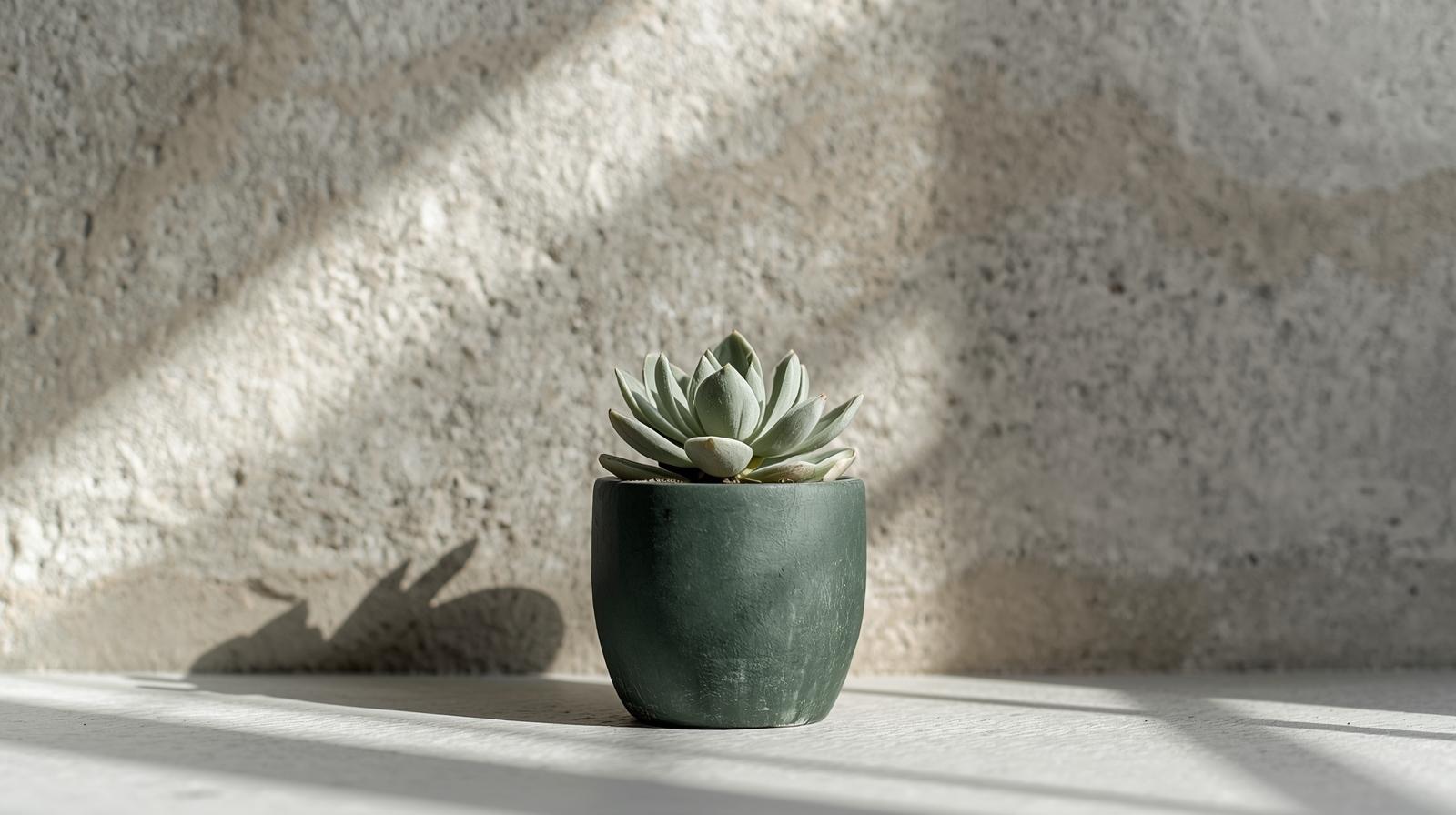
Time moves differently around succulents. While the world rushes—emails piling, notifications pinging, seasons blurring into one another—these quiet sentinels hold their breath, store their strength, and wait. They do not beg. They do not wilt dramatically to demand attention. Instead, they thrive on absence: of water, of fuss, of noise. In their stillness, they whisper a counter-intuitive truth: sometimes, the deepest care looks like restraint.
The Quiet Thirst
Succulents aren’t just drought-tolerant—they’re drought-wise. Their plump leaves and swollen stems are archives of survival, shaped by centuries under relentless sun. To water them like other houseplants is to misunderstand their language entirely.
Press the soil with your fingertip. If the top inch feels dry, wait two more days. Let the silence between waterings lengthen. When you do water, drench the soil until it runs clear through the drainage hole—then walk away. No sips. No schedules. Just deep, infrequent generosity followed by trust.
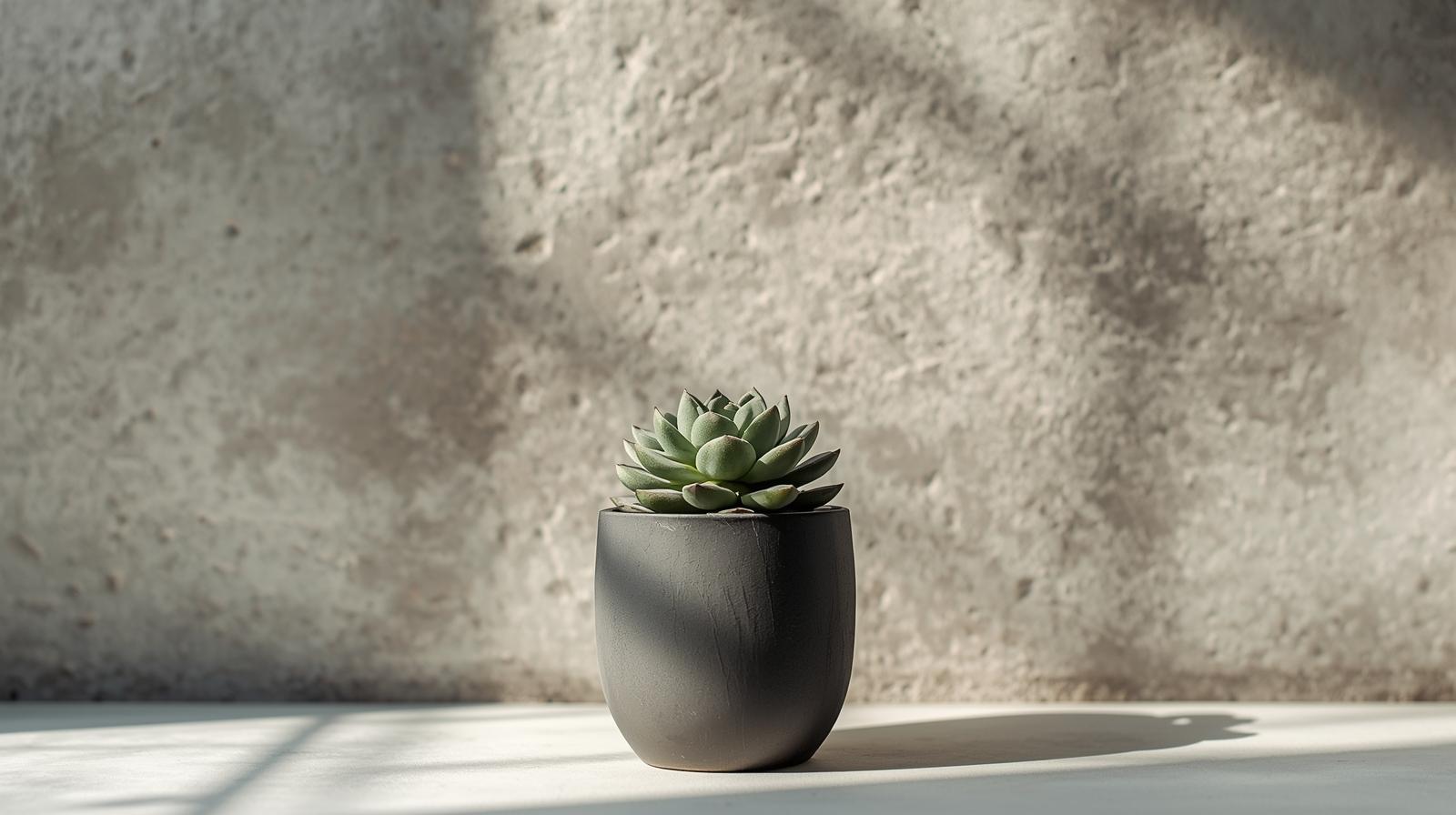
Mushy, translucent leaves aren’t laziness—they’re drowning. Wrinkled skin, on the other hand, is a quiet plea. Learn the difference not through rules, but through observation. Your plant will show you.
“Patience is not passive; on the contrary, it is active; it is concentrated strength.” — Edward G. Bulwer-Lytton
The Vessel Matters
That glossy ceramic pot might look lovely—but without drainage, it’s a prison. Terracotta isn’t just aesthetic; its porous walls breathe with your plant, wicking away excess moisture like a slow exhale. (We’ve written more about the quiet intelligence of terracotta if you’re curious.)
If you must use a decorative pot, nest your succulent’s nursery container inside it—then lift it out to water. Let it drain fully on a windowsill before returning it to its sleeve. This small ritual becomes a moment of presence: you, the plant, and the space between.
Light as Language
“Bright, indirect light” sounds vague until you watch your succulent lean toward a window like it’s listening. East-facing glass offers gentle morning sun—ideal for most indoor varieties. South or west windows deliver intensity; use sheer curtains to soften the glare, especially in summer.
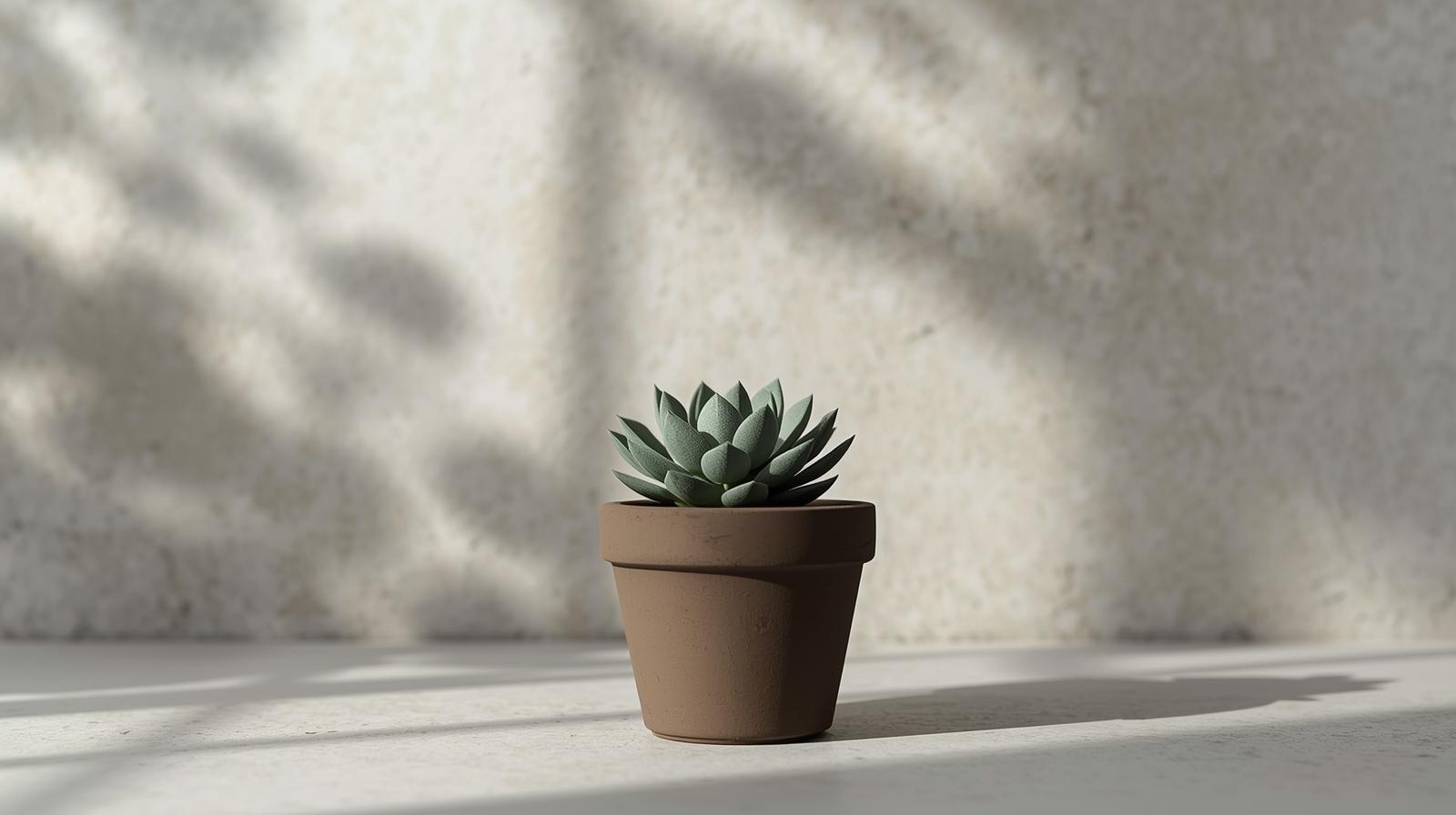
When a stem stretches thin and pale, reaching like a question mark—that’s etiolation. Not failure. Communication. It’s saying, I need more sky. Rotate your plant a quarter-turn each week while your tea steeps. Align care with rhythm, not obligation.
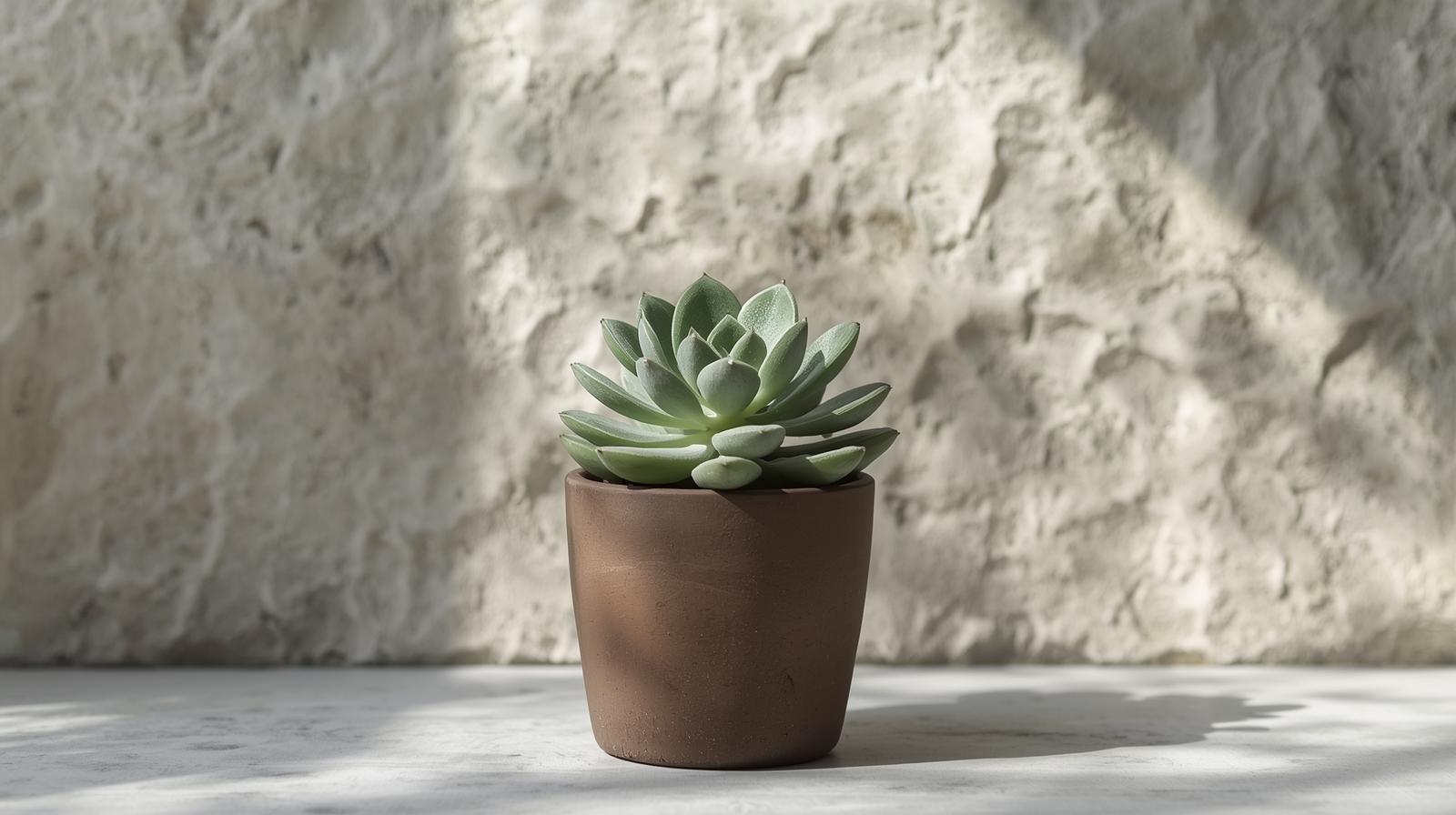
And remember: light isn’t just functional. A single echeveria on a sill catches dawn in its rosette, scattering prisms across your wall. It’s part of your room’s soul—something we explore in our notes on lighting for ambiance.
The Personality of Stillness
Not all succulents are the same. Meet them as individuals.
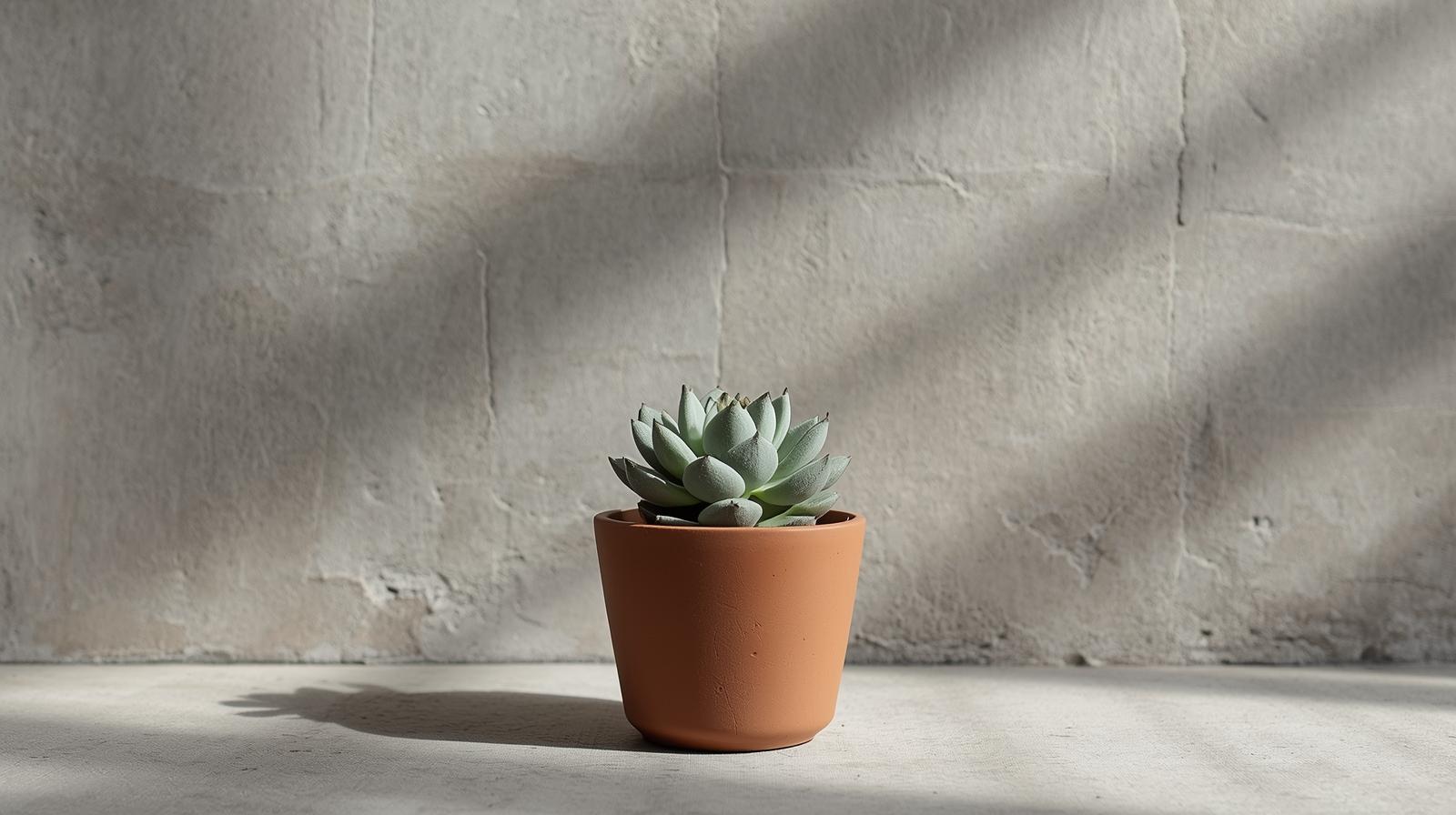
Echeveria sits like a stone sculpture—tight, symmetrical, unbothered. It thrives on being forgotten for weeks. Haworthia, with its zebra stripes and shy stature, prefers the dimmer corners of your bookshelf. And aloe vera? It’s both guardian and gift—its gel a balm for burns, its presence a steady companion. (You’ll find its full story in our guide to aloe vera’s quiet healing.)
Grouping them isn’t about matching colors. It’s about matching needs. A calm collection grows in harmony, not chaos. Let your windowsill become a council of quiet beings who ask for little but give back in stillness.
Dry Air, Deep Roots
Winter heat blasts through vents, turning your living room into a desert—ironic, since succulents evolved in deserts. Yet even they can suffer in artificially dry air. Keep them away from radiators and forced-air vents. Let the air move, but not scorch.
Once a month, take a soft brush—maybe an old makeup brush—and dust the leaves. Not for show. Dust blocks sunlight. This tiny act lets your plant breathe, photosynthesize, live fully. Feel the grit of the soil beneath your nails as you do it. Notice how the leaves feel cool, almost waxy, under your touch.
They don’t need misting. They don’t crave humidity. But they do respond to attention—when it’s given with intention, not anxiety.
When Minimalism Meets Mistake
You’ll likely lose one. Maybe two. That’s not failure—it’s dialogue.
Yellow, soggy leaves? Overwatering. Stop. Let the pot sit in dry air for three weeks. No guilt. Just correction. Wrinkled, deflated leaves? Underwatered—but slowly. Soak the soil deeply, then wait. Brown, crispy patches? Sunburn. Filter that light.
And if a leaf falls? Don’t toss it. Lay it on dry soil. In weeks, a tiny root may emerge—then a pup. A fallen leaf isn’t loss. It’s an invitation to begin again. Propagation isn’t magic. It’s patience made visible.
Common Questions
Can succulents survive in low light?
Some can—Haworthia, Gasteria, certain Sansevierias (though technically not succulents, they play well). But no succulent thrives in a windowless room. They need daylight, even if filtered. If your space lacks natural light, consider a small grow light—but treat it as a temporary bridge, not a forever solution.
How often should I water my indoor succulent?
Forget the calendar. Water when the soil is completely dry—deeply, thoroughly, then not again for weeks. In winter, that might mean once a month. In summer, every 10–14 days. Let the plant lead.
Are cacti and succulents the same?
All cacti are succulents—but not all succulents are cacti. True cacti have areoles: tiny, fuzzy bumps where spines grow. Other succulents store water but lack this feature. Both share the same minimalist ethos: less is more.
Why is my succulent growing tall and leggy?
It’s stretching toward light it can’t reach. This is etiolation—a survival instinct, not a flaw. Cut the top off, let the cut callus for a few days, then replant it. The base may even sprout new offsets. In loss, there’s renewal.