
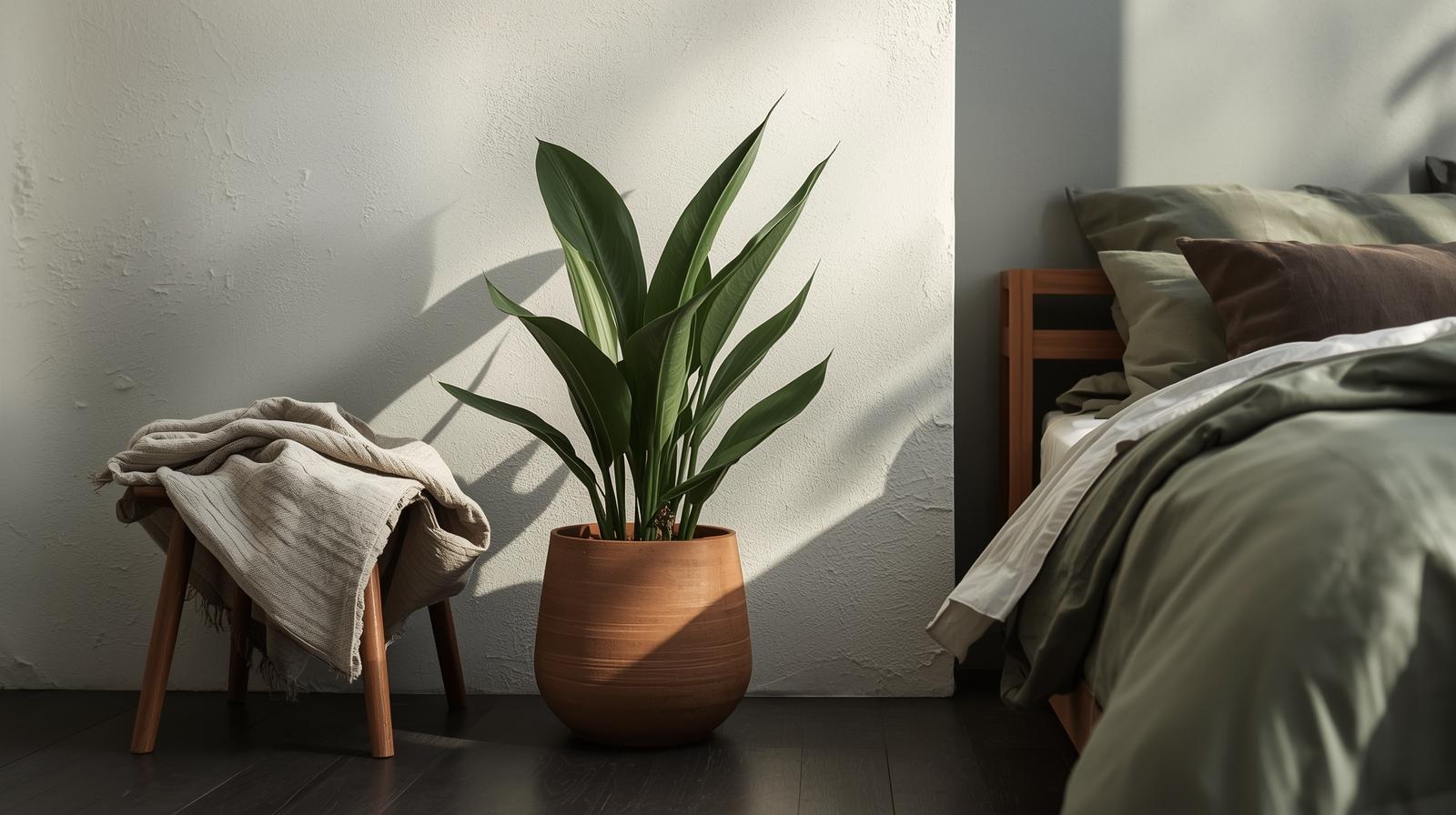
Morning light slips through the blinds, casting long shadows over a desk cluttered with paper and quiet urgency. In the corner, a broad leaf trembles—not from wind, but from the slow exhalation of clean air it has drawn through its stomata. Here, in this stillness, air quality, wellness, and focus are not abstract ideals but tangible rhythms, shaped by green companions that breathe with us, for us.
The Quiet Alchemists of Indoor Air
Plants do not purify air with fanfare. Their work is silent, cellular, and continuous—a quiet alchemy performed in the margins of our daily lives. Through phytoremediation, they absorb airborne toxins through their leaves and roots, transforming them into harmless compounds or storing them away. This is not technology; it is biology refined over millennia.
The NASA Clean Air Study of 1989 first illuminated this capacity in controlled environments. Yet the true value emerges not in data alone, but in how a room feels after weeks of shared breath with a living filter: lighter, clearer, more conducive to sustained attention.
“In every walk with nature one receives far more than he seeks.” — John Muir
Not all air-purifying plants belong in spaces of deep focus. Some demand constant care, others sprawl with chaotic energy. The five that follow were chosen for their composure, resilience, and ability to hold space without demanding it.
The Contemplative Five
These are not merely decorative accents. They are steady presences—each with a distinct character, origin, and rhythm of care. Together, they form a silent council for those seeking clarity in thought and breath.
Snake Plant (Sansevieria trifasciata) – The Night Watch
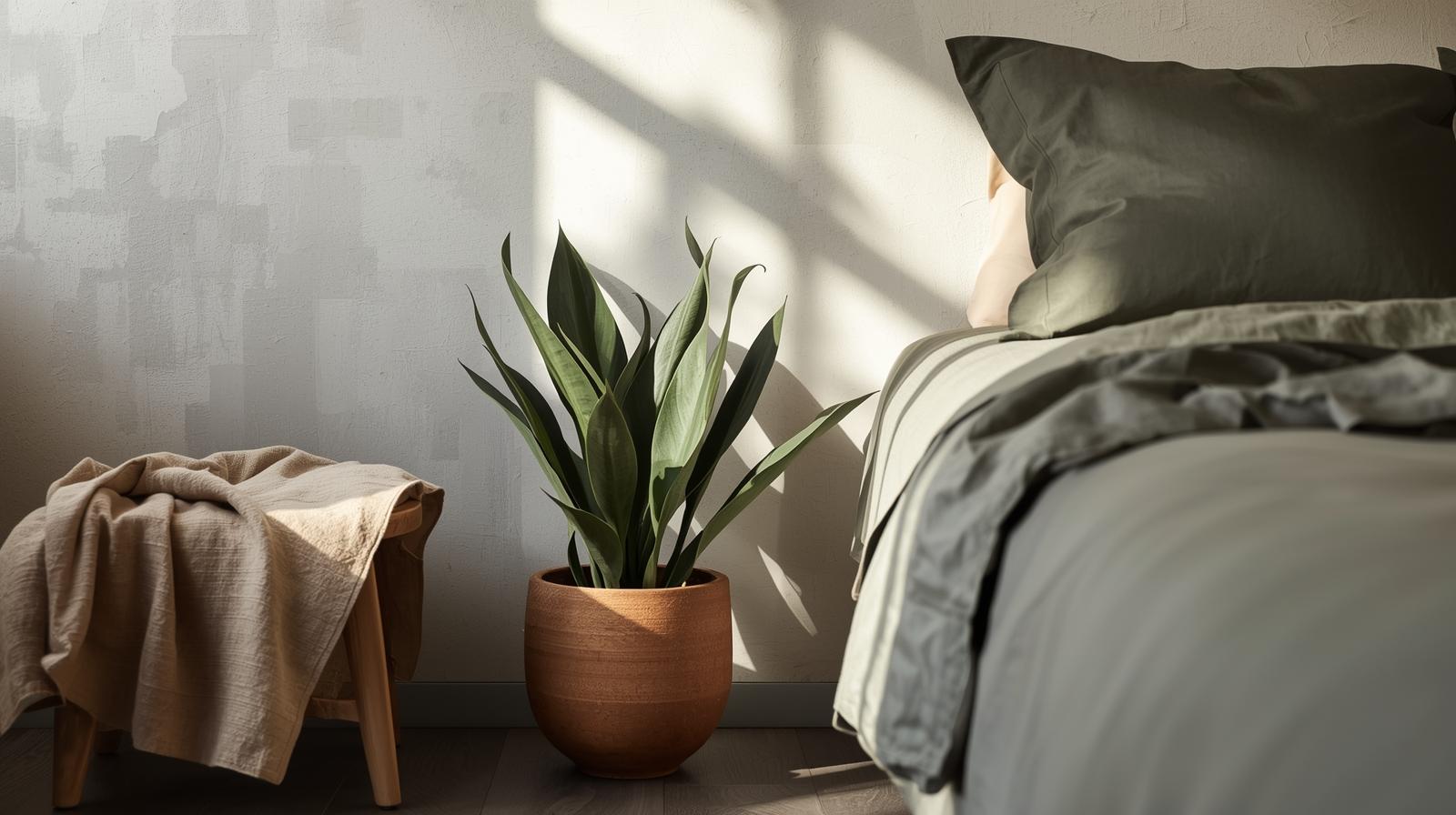
Native to the dry savannas of West Africa, the Snake Plant stands like a sentinel. Its stiff, upright leaves rise with architectural certainty, offering visual stability in rooms prone to mental clutter.
Unlike most plants, it performs CAM photosynthesis—opening its stomata at night to absorb carbon dioxide and release oxygen. This makes it especially supportive in evening work sessions or dimly lit corners where concentration must endure.
- Water only when the soil is completely dry—every three to four weeks is often sufficient.
- Use a well-draining mix: two parts potting soil to one part perlite.
- Thrives in low to bright indirect light; avoid direct sun, which can scorch its edges.
Its quiet strength is further explored in snake-plant-benefits, where its role as a guardian of both air and stillness is honored.
Peace Lily (Spathiphyllum spp.) – The Humid Whisper
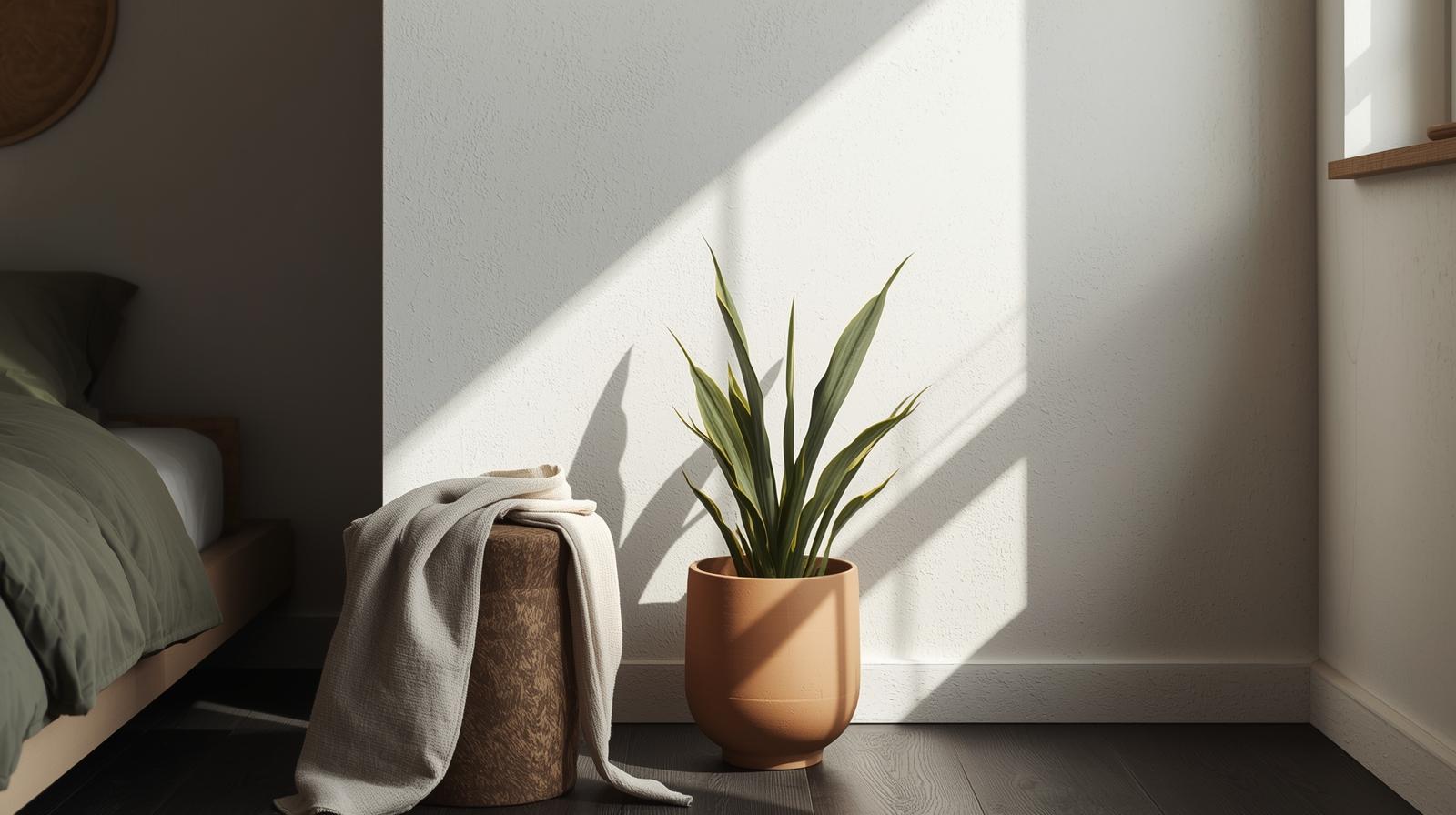
With leaves that arch like open palms and occasional white spathes glowing in low light, the Peace Lily softens sharp edges—both in architecture and in thought. Originating from the rainforests of Colombia, it thrives in humidity and filtered shade.
It excels at removing ammonia, a volatile compound often released by household cleaners—a subtle but significant contributor to mental fog in shared workspaces.
- Keep the soil consistently moist, but never waterlogged.
- Mist the leaves weekly or place on a pebble tray to maintain humidity.
- Position in north-facing light or under the dappled shade of a larger plant.
Its gentle presence extends beyond the study; for those curating restful sanctuaries, its qualities are echoed in bedroom-plants-sleep.
Chinese Evergreen (Aglaonema spp.) – The Patient Scholar
Cultivated in Southeast Asian temples for centuries, the Chinese Evergreen embodies quiet endurance. Its silver-veined leaves seem to hold time rather than mark it. It does not rush; neither should the mind beside it.
While not the fastest purifier, it works steadily—filtering benzene and formaldehyde with unassuming consistency. Its variegation offers just enough visual interest to anchor the gaze without distraction.
- Water when the top two inches of soil feel dry.
- Keep away from cold drafts and air vents.
- Low to medium indirect light is ideal; direct sun will fade its markings.
To care for it is to practice patience—a lesson in allowing focus to deepen at its own pace.
Areca Palm (Dypsis lutescens) – The Gentle Diffuser
From the misty understories of Madagascar, the Areca Palm brings softness to angular rooms. Its feathery fronds move with the faintest air current, diffusing both light and sound. In dry, climate-controlled spaces, it also releases moisture—raising humidity to levels that support cognitive clarity.
It is particularly effective against xylene and toluene, chemicals often lingering after painting or crafting.
- Water weekly in warmer months; reduce in winter.
- Use distilled or rainwater to prevent brown leaf tips.
- Place in bright, indirect light—east or west windows are ideal.
Position it slightly off-center in a reading nook, where its presence envelops without overwhelming.
Pothos (Epipremnum aureum) – The Adaptive Thinker
Often dismissed for its ubiquity, Pothos is a master of resilience. Trailing from a high shelf or climbing a trellis beside a desk, it draws the eye downward into calm. Its heart-shaped leaves shimmer with subtle variegation—gold, marble, or jade—depending on the cultivar.
It quietly removes formaldehyde and carbon monoxide, common in newer buildings or spaces with synthetic furnishings.
- Water when the top inch of soil feels dry.
- Thrives under fluorescent office lighting if natural light is scarce.
- Prune leggy vines to encourage bushier growth near the pot.
Its flexibility complements the stillness of the Snake Plant, offering a balance of movement and structure in shared wellness spaces.
Arranging for Clarity, Not Clutter
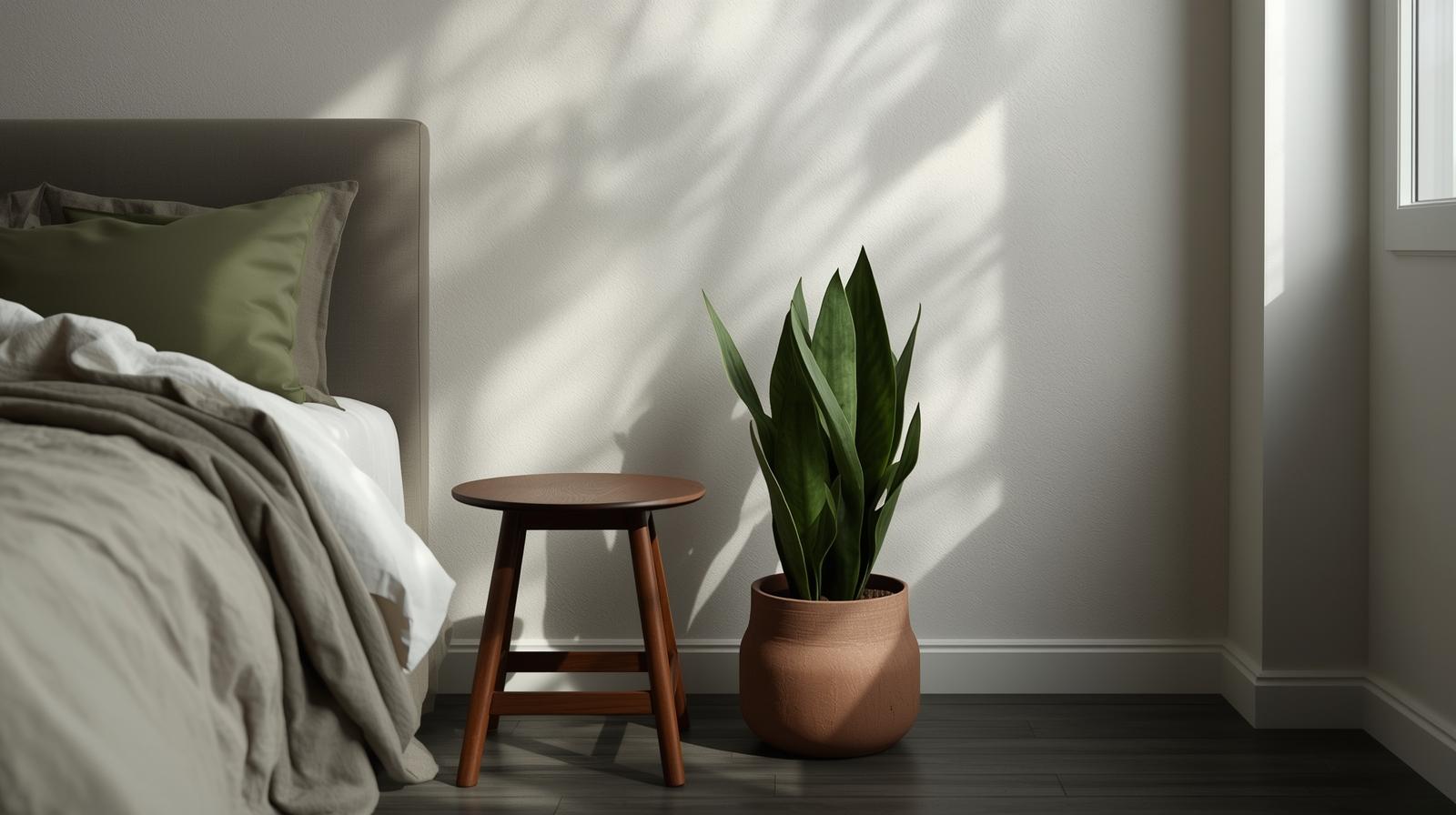
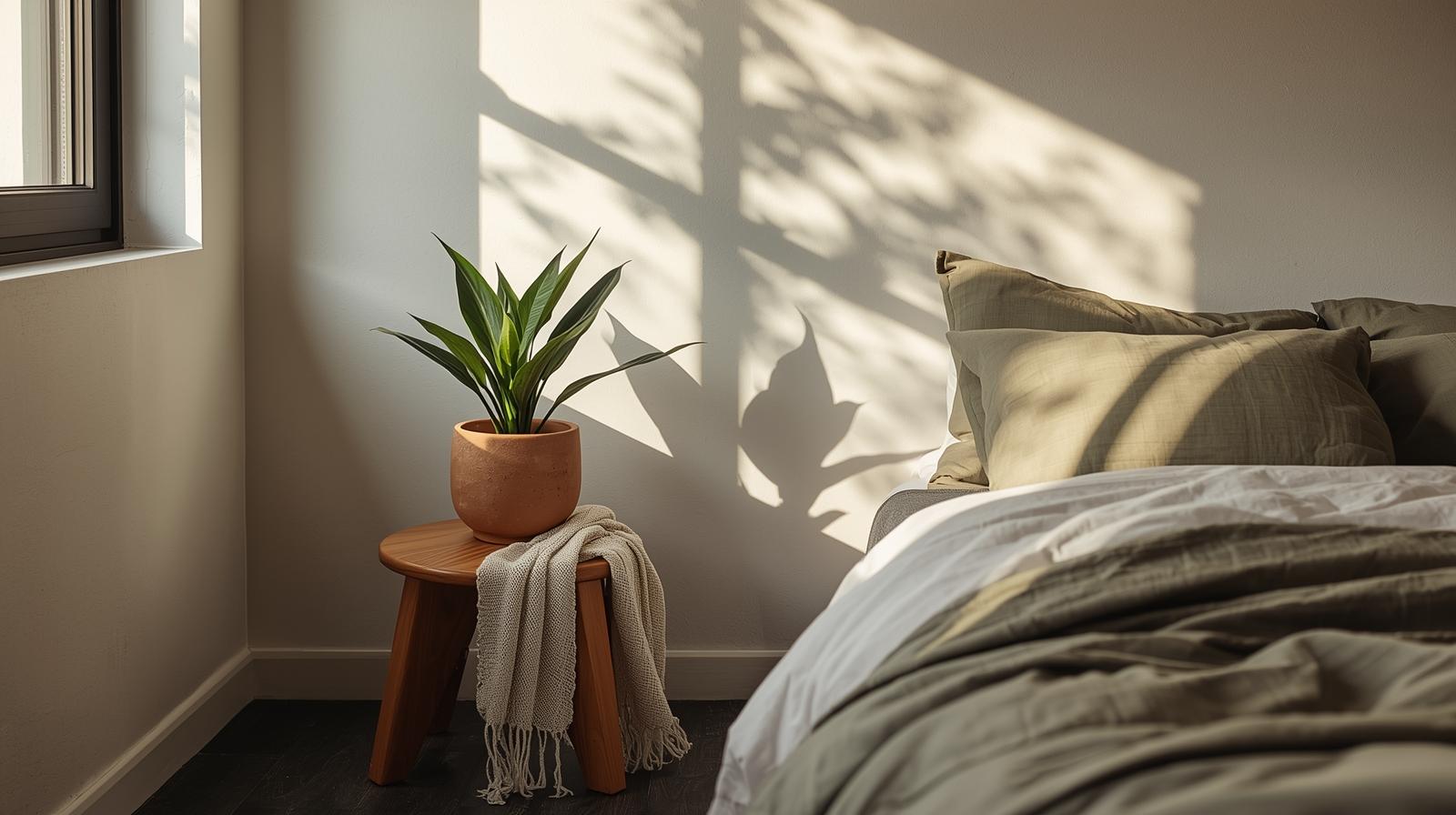
A plant placed without intention becomes visual noise. To support focus, let each one occupy its own sphere of influence. One dominant specimen per sightline is often enough—perhaps a Snake Plant beside the desk, a Peace Lily on a low stool nearby.
Leave negative space around pots. Allow light to pool on the surface of terracotta or unglazed ceramic. Avoid glossy finishes that reflect distraction. The goal is not to fill the room with green, but to let green shape the room’s breath.
For those extending this philosophy into rest, the spatial principles in bedroom-plants-sleep offer a seamless bridge from concentration to repose.
The Breath Between Leaves
We exhale carbon dioxide; they inhale it. They release oxygen; we draw it in. This exchange, so fundamental it goes unnoticed, is the quiet covenant between human and plant. In a world of digital saturation, this reciprocity becomes a form of grounding—a reminder that wellness begins with the air we share.
Studies suggest that improved indoor air quality correlates with sharper attention, reduced fatigue, and a greater sense of calm. But you need not measure it. Sit beside one of these companions for five minutes. Notice the quality of your breath. Observe the steadiness of your thoughts.
For those wishing to deepen this relationship through mindful tending, the rituals described in peace-lily-care offer a gentle path inward.