

A shaft of late-afternoon light slants through the window, catching what looks like fine gold suspended in air—dust, yes, but also the quiet residue of time settling on broad rubber-plant leaves. You run a finger along the surface and come away gray. The plant doesn’t complain. It simply breathes less. And in that moment, you realize: cleaning isn’t chore. It’s communion.
The Breath Beneath the Dust
Dust isn’t just unsightly—it’s a physical barrier. Each particle settles over the stomata, those tiny pores on the undersides of leaves that open and close like slow lungs. When they’re clogged, carbon dioxide can’t enter, water vapor can’t escape, and photosynthesis sputters. Your plant isn’t lazy. It’s smothering.
Try this: wipe one leaf clean with a damp microfiber cloth. Leave its neighbor untouched. Come back in a day. The cleaned leaf will stand a little taller, catch light with a soft sheen, maybe even smell faintly green—like rain on warm soil. The difference isn’t magic. It’s biology, waiting to be invited back in.
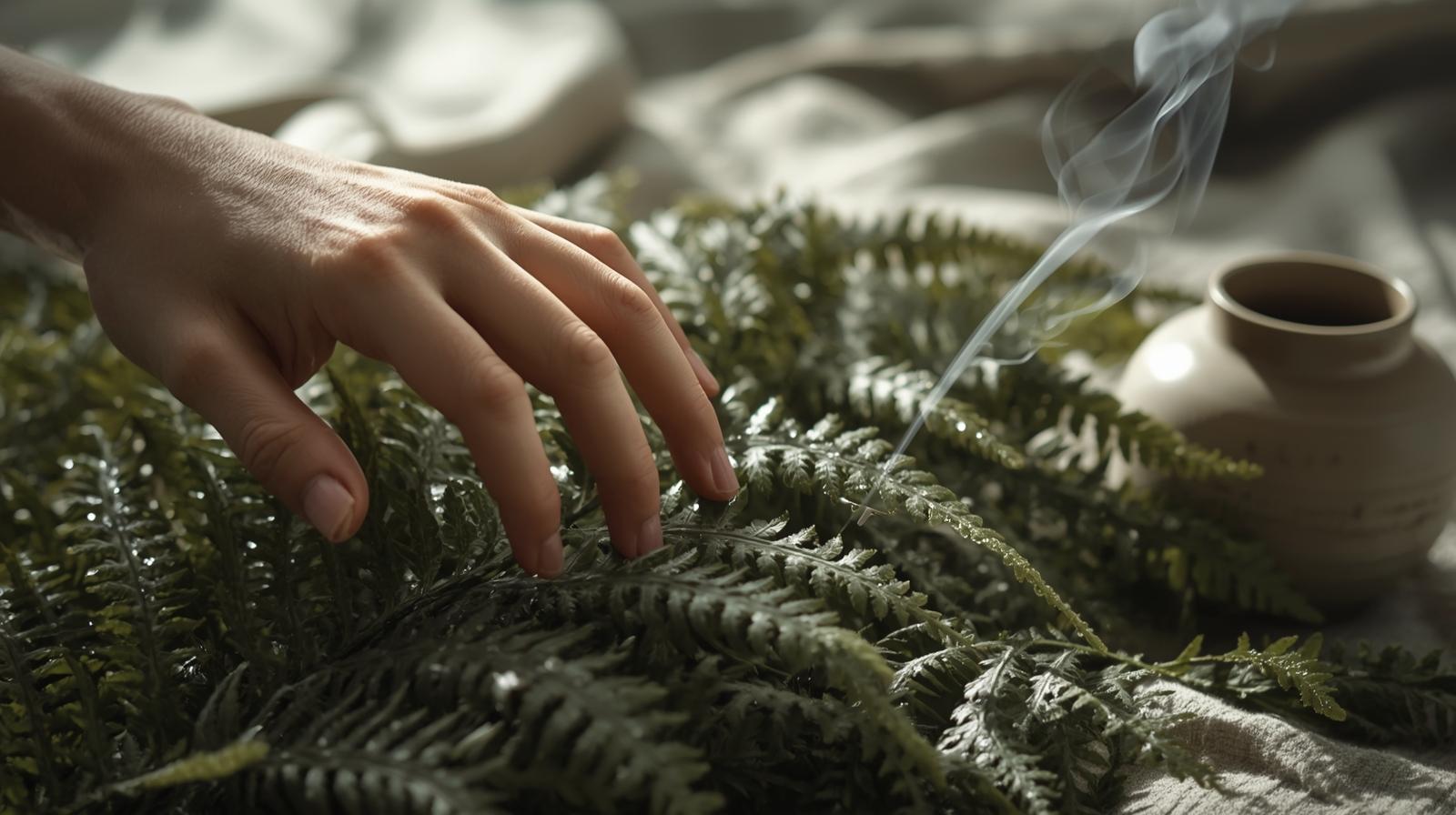
“To care for a leaf is to honor the silence between heartbeats.” — Anonymous botanist’s journal, Kyoto, 1923
When Dust Becomes a Barrier
Indoor dust isn’t the same as what settles on wild ferns in a forest. Ours carries cooking oil, pet dander, fabric fibers—sticky, dense, and slow to dissolve. Over weeks, it forms a film that not only blocks light but hides early signs of trouble. Spider mites love dusty leaves; they’re harder to spot, and the dry microclimate suits them perfectly.
This is especially true for dramatic plants like the fiddle-leaf fig, whose broad, horizontal leaves act like dust collectors. Miss a cleaning cycle, and you might not notice the first webbing until it’s too late. Cleanliness, here, is prevention—quiet, consistent, and kind.
The Ritual, Not the Routine
There’s a difference between wiping and tending. One is done with your eyes on the clock. The other with your breath synced to the motion of your hand.
Stand close. Feel the weight of the pot. Let your exhale guide the stroke of the cloth from base to tip. Notice how the leaf yields slightly—alive, responsive. This isn’t maintenance. It’s a conversation. (And yes, your mind will wander. That’s fine. Just return to the leaf.)
Some days, you’ll do three leaves. Other days, the whole plant. There’s no quota. Only presence.
Tools of Tenderness
Forget commercial leaf shine. That waxy gloss seals the stomata shut—a cosmetic lie that harms more than it helps. Instead, reach for simplicity: a soft microfiber cloth, a natural-bristle brush, or even a clean makeup sponge.
For most plants, a barely damp cloth is enough. Wring it out until it feels cool but not wet—like morning grass. For fuzzy-leaved plants (think African violets or piggyback plants), use a dry, soft-bristled paintbrush. Gentle circles. No pressure.
And if you’re using tap water, let it sit overnight. Cold water shocks roots. Chlorine stings leaves. Give it time to warm, to soften. Care begins before your hand even touches the plant.
Reading the Leaves
Cleaning isn’t just about removing dust—it’s about seeing. Really seeing.
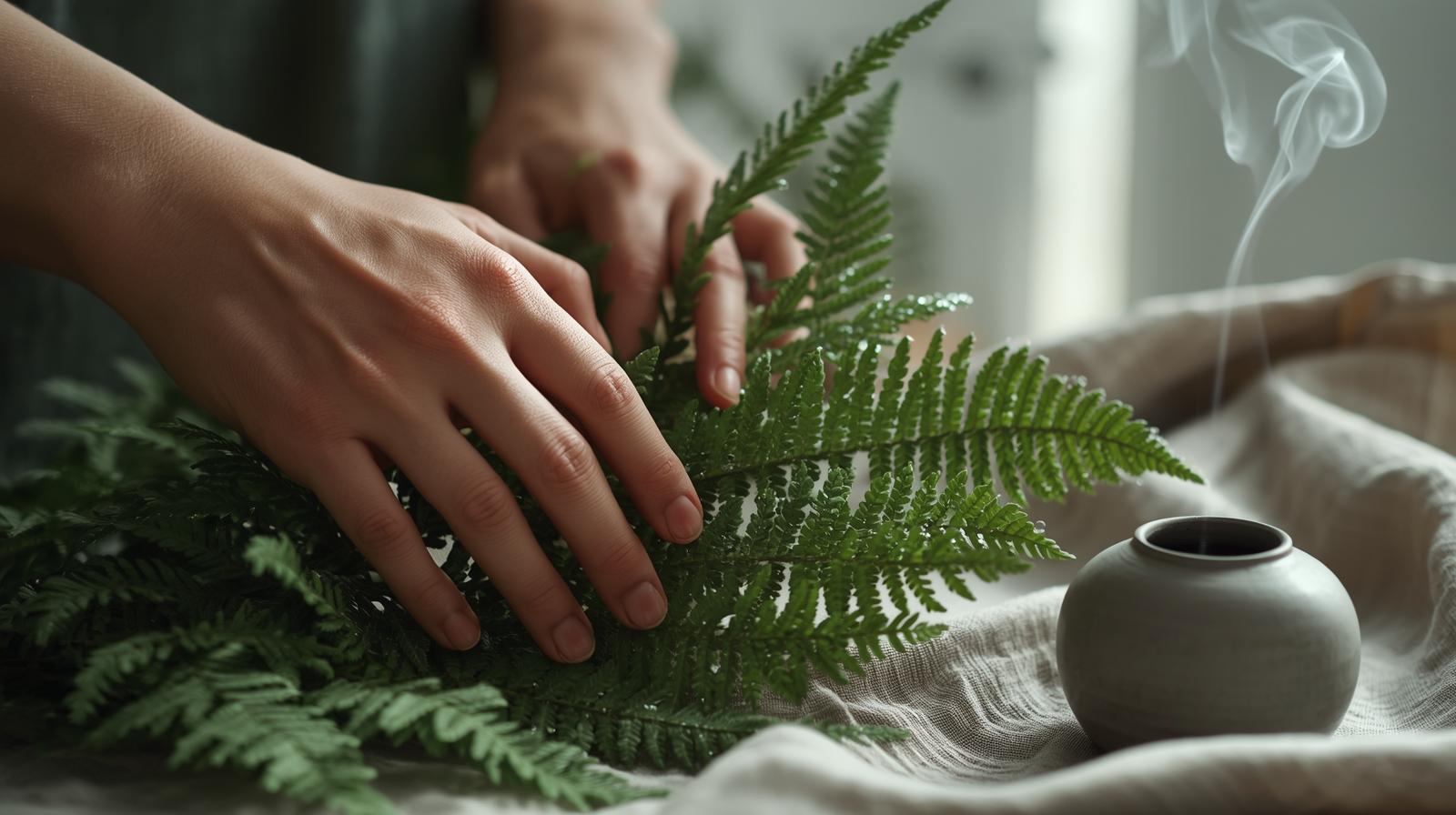
As you wipe, look for stickiness (a sign of scale or aphids), pale mottling (spider mites), or a dull film that won’t lift (mineral buildup or fungal residue). A healthy leaf feels supple, not brittle. It reflects light without glare. It holds its shape without sagging at the edges.
This is where understanding rubber plant structure helps: thick, waxy leaves can handle more frequent cleaning, while new growth on a monstera demands a lighter touch. And if you’ve ever wondered why your fiddle-leaf fig drops leaves after you move it—imagine how much harder it is when it’s also trying to breathe through a layer of grime.
The Rhythm of Care
You don’t need a schedule. You need a rhythm.
Maybe you clean leaves after you water—when the air is humid and the plant is already in a state of receiving. Or perhaps you do it on Sunday mornings, while the coffee brews and the house is still wrapped in quiet. I do mine after returning from a trip; it’s my way of saying, “I’m back. I see you.”
Seasons matter too. In spring, pollen clings thickly to surfaces. In winter, indoor heating dries the air and lifts dust like ash. Adjust. Respond. Let the plant tell you when it’s time.
Consistency isn’t about frequency—it’s about attention. A plant cleaned once a month with full presence thrives more than one wiped daily with a distracted hand.
Common Questions
Can I use milk or mayonnaise to shine leaves?
No—these create a greasy film that blocks stomata and attracts pests. True luster comes from health, not polish.
How often should I clean my fiddle-leaf fig?
Every 2–3 weeks. Its large, flat leaves collect dust quickly and rely on unobstructed light for energy—especially since it’s already sensitive to environmental shifts, as we explore in fiddle-leaf fig presence.
Does dust really affect plant health that much?
Yes. Studies show heavily dusted leaves can lose up to 30% of their photosynthetic capacity. It’s not vanity—it’s survival.
What if my plant has hundreds of leaves?
Start with the top third—the newest growth—and the outer canopy. Even partial cleaning improves airflow and light penetration. And remember: slow, steady care is better than rushed perfection. You’re not cleaning a window. You’re tending a life.