
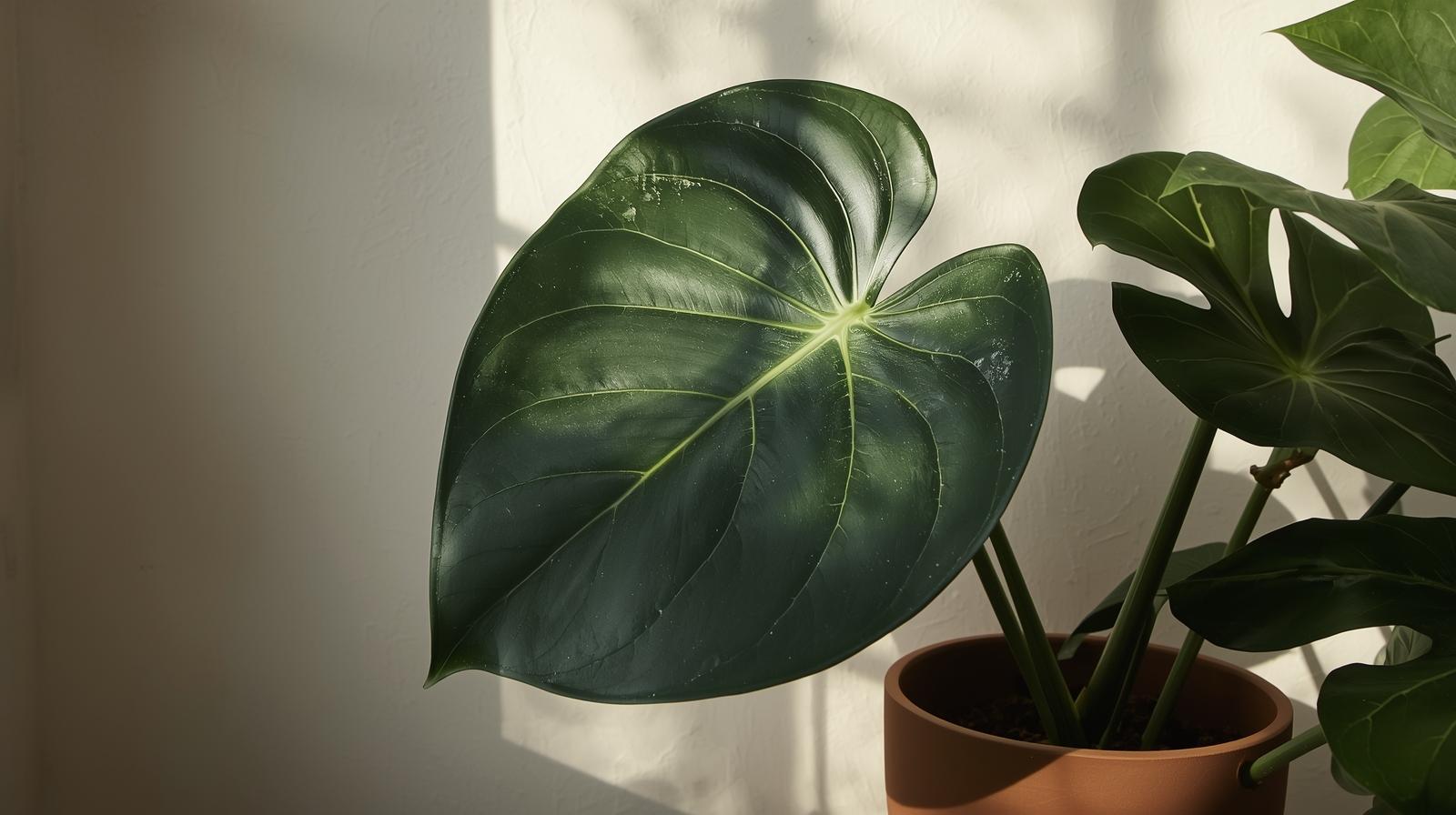
Time doesn’t bend for the Fiddle Leaf Fig. It unfurls its broad, violin-shaped leaves only when it’s ready—never on our schedule, never to soothe our impatience. In a world that rewards speed, this plant stands as a quiet rebellion: rooted, deliberate, and utterly indifferent to urgency. To care for it is not to command, but to listen. And in that listening, we rediscover a slower rhythm—one leaf, one breath, one sunbeam at a time.
The Personality of Presence
The Fiddle Leaf Fig—Ficus lyrata—isn’t just another houseplant. It’s a presence. In its native West African rainforests, it grows tall and steady beneath a shifting canopy, bathed in humid air and filtered light. Indoors, it doesn’t lose that essence. It simply asks for honesty.
Give it rushed attention, erratic watering, or a spot near a drafty window, and it will tell you—through dropped leaves, brown edges, or stalled growth. But offer consistency, quiet observation, and space to breathe, and it rewards you with deep green, sculptural foliage that feels less like décor and more like kinship.
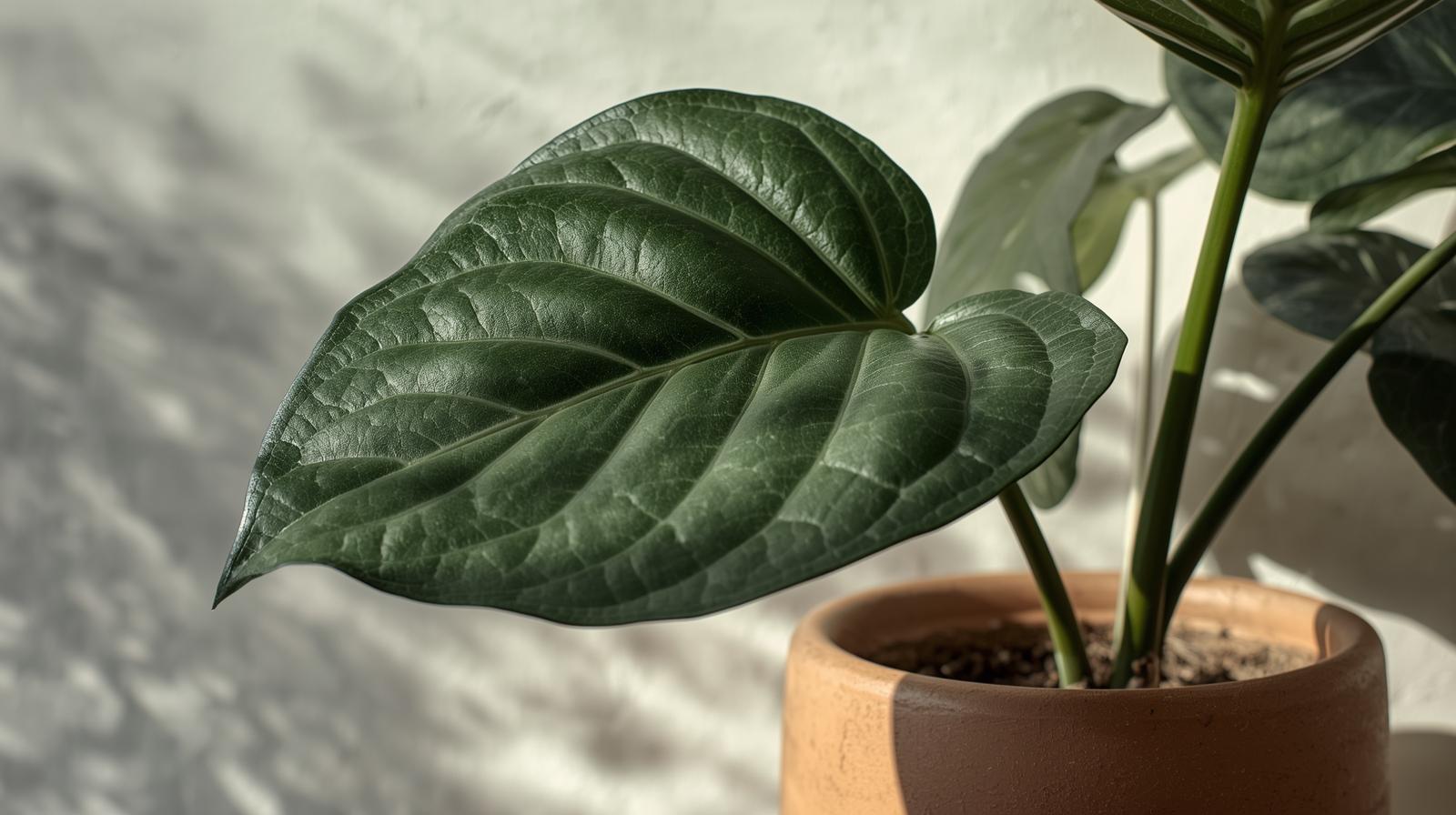
“Plants do not grow in a hurry. They grow in truth.” — Robin Wall Kimmerer
Its so-called “difficulty” isn’t a flaw. It’s fidelity. This plant reflects the quality of your presence back to you—sometimes gently, sometimes with dramatic leaf drop. (Yes, it can be theatrical.)
Why It Feels Like a Test
We’ve been sold the myth that the Fiddle Leaf Fig is a diva. But what if it’s simply clear-eyed? Unlike snake plants or pothos, which tolerate neglect with grace, the Ficus lyrata thrives only when conditions align with its nature. That alignment requires us to slow down.
Modern homes are dry, lit by artificial rhythms, and full of sudden temperature shifts. None of these suit a rainforest native. When your fig struggles, it’s not failing—it’s holding up a mirror. Are you watering out of habit or observation? Moving it for aesthetics or stability? The answers shape not just the plant’s health, but your own relationship with care.
The Quiet Thirst
Overwatering is the most common cause of Fiddle Leaf Fig grief. Those thick, waxy leaves store moisture like reservoirs. Its roots, meanwhile, despise sitting in wet soil—they’ll rot before you notice.
Instead of following a calendar, learn the language of thirst. Press your finger two knuckles deep into the soil. If it feels cool and slightly damp, wait. If it’s dry and crumbly, like forgotten bread, it’s time. Lift the pot—dry soil feels light, almost hollow. Watered soil has heft, a grounded weight.
When you do water, do it slowly. Pour room-temperature water (cold shocks the roots) until it runs freely from the drainage holes. Then let it drain completely—never let the pot sit in a saucer of water. This isn’t just technique. It’s a ritual of attention.
If leaves yellow or drop suddenly, pause. Check for soggy soil or musty smells—classic signs of overcare. Sometimes, the best thing you can do is nothing at all. Let the soil breathe. Let the roots recover. More guidance on reading these signals can be found in our guide to identifying plant stress.
Light as Language
Light is how your Fiddle Leaf Fig speaks. Its leaves tilt, stretch, pale, or burn—each a sentence in a silent dialogue.
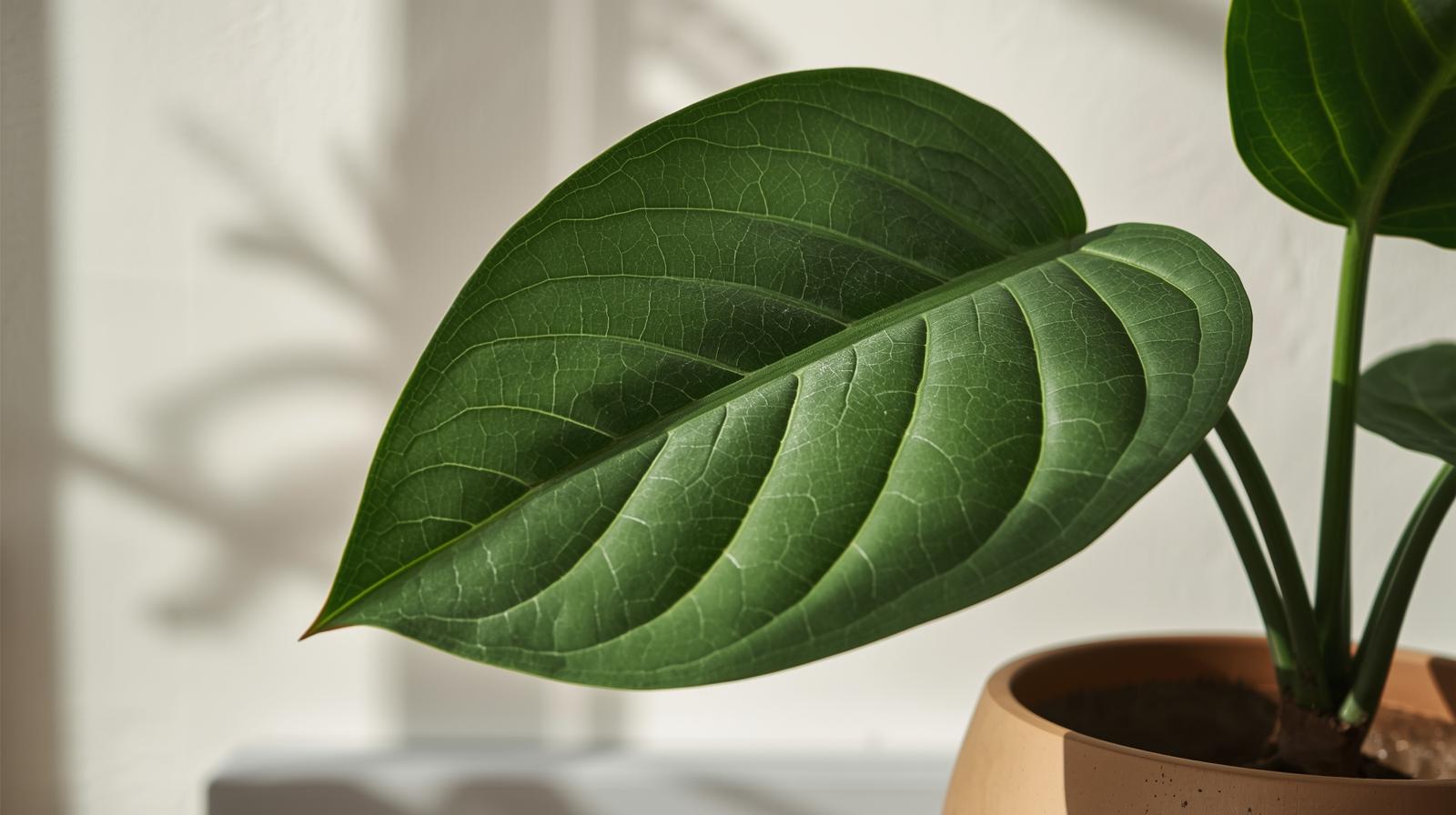
Ideal light is bright but indirect: an east-facing window, or a few feet back from a south- or west-facing one. Morning sun is gentle; afternoon sun is harsh. Watch how the leaves respond. New growth that’s small or pale? Not enough light. Brown, crispy patches on the side facing the window? Too much.
Avoid moving it often. Each relocation is a minor trauma. If you must shift it—say, for seasonal light changes—do so gradually. And rotate the pot just once every few months, not weekly. Let it settle into its orientation, like a person finding their favorite chair.
The way light filters through its leaves also shapes your space. A Fiddle Leaf Fig doesn’t just occupy a corner—it transforms it. For more on how plants and light co-create atmosphere, see our thoughts on lighting for ambiance.
The Ritual of Leaf Care
Dusting a Fiddle Leaf Fig is not housework. It’s communion.
Each leaf is a broad, waxy canvas collecting dust from our hurried lives. Wipe it gently with a soft, damp microfiber cloth—never commercial leaf shine, which clogs the stomata and suffocates the plant. Use distilled or rainwater if your tap is hard; mineral deposits leave a chalky film.
Feel the texture as you clean: cool, smooth, veined like a map of some distant land. Notice the subtle variations—older leaves darker, newer ones brighter, all breathing. This is when you’ll spot early signs of trouble: tiny webs (spider mites), sticky residue (scale), or faint yellowing.
Make it a weekly pause. Pair it with three slow breaths. Inhale as you wipe the top of a leaf, exhale as you turn it to clean the underside. It’s a small act that anchors you in the present. Learn more about this mindful practice in our guide to cleaning plant leaves.
When Patience Isn’t Enough
Even with perfect care, leaves may drop. Seasons shift. Light wanes. The plant adjusts.
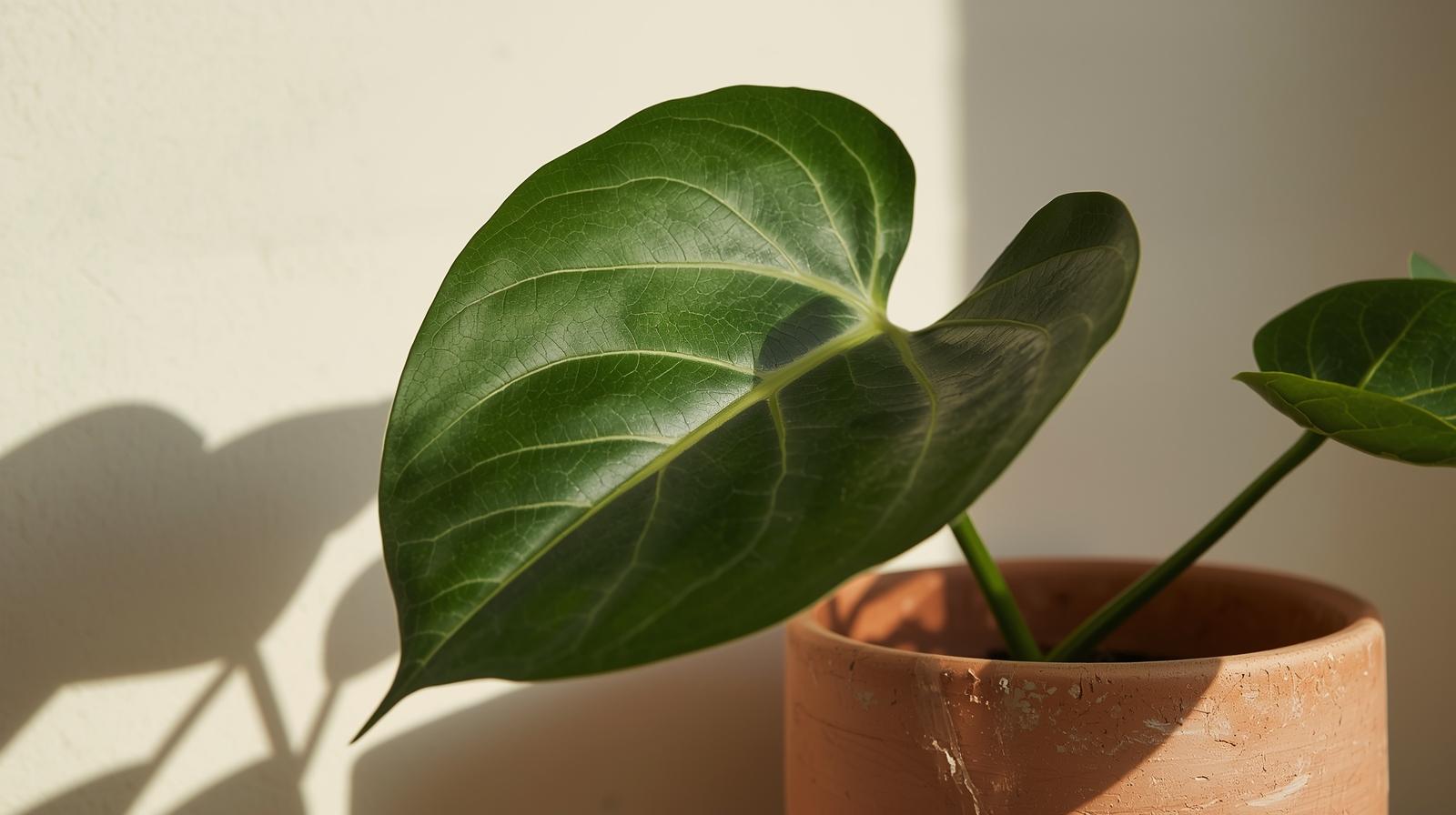
Resist the urge to overcorrect. Pruning healthy leaves for symmetry is a human desire, not a plant need. Only remove leaves that are fully brown, mushy, or clearly diseased. Use clean shears, cut close to the stem, and step back.
Then wait. Recovery isn’t linear. New growth might take months to appear—often from the top, not the base. That’s okay. Growth underground is happening even when nothing shows above. Trust the process. Trust the silence between leaves.
Growing With, Not Over
Caring for a Fiddle Leaf Fig changes you. It softens your urgency. It teaches you to read subtle cues, to act from observation rather than anxiety. You begin to notice how your own rhythms—your stress, your haste—ripple into the living world around you.
Keep a small journal. Note the date a new leaf emerges. Record how the light falls on a Tuesday in March versus a Sunday in August. Write how you felt the day you overwatered it—rushed, distracted, tired. The plant becomes a companion in your own unfolding.
It doesn’t need you to fix it. It needs you to be near. To show up, again and again, with steady hands and a quieter mind.
Common Questions
Why are my Fiddle Leaf Fig’s leaves turning brown at the edges?
Usually low humidity or inconsistent watering. Group plants together, use a humidifier, or place the pot on a pebble tray filled with water (but not touching the bottom). Avoid misting—it encourages fungal issues without meaningfully raising humidity.
How often should I fertilize?
Only during active growth—spring through early fall—once a month with a balanced, diluted liquid fertilizer. Winter is rest. No feeding needed. Less is more.
Can I put it in direct sunlight?
Only gentle morning sun. Harsh afternoon rays will scorch those broad leaves. Think “forest floor filtered light,” not desert exposure.
Is it normal for lower leaves to drop?
Yes—if it’s gradual and the leaves are green and healthy before falling. It’s the plant’s way of focusing energy upward. But if leaves yellow, spot, or drop suddenly, check for drafts, overwatering, or recent moves. That’s stress, not strategy.