
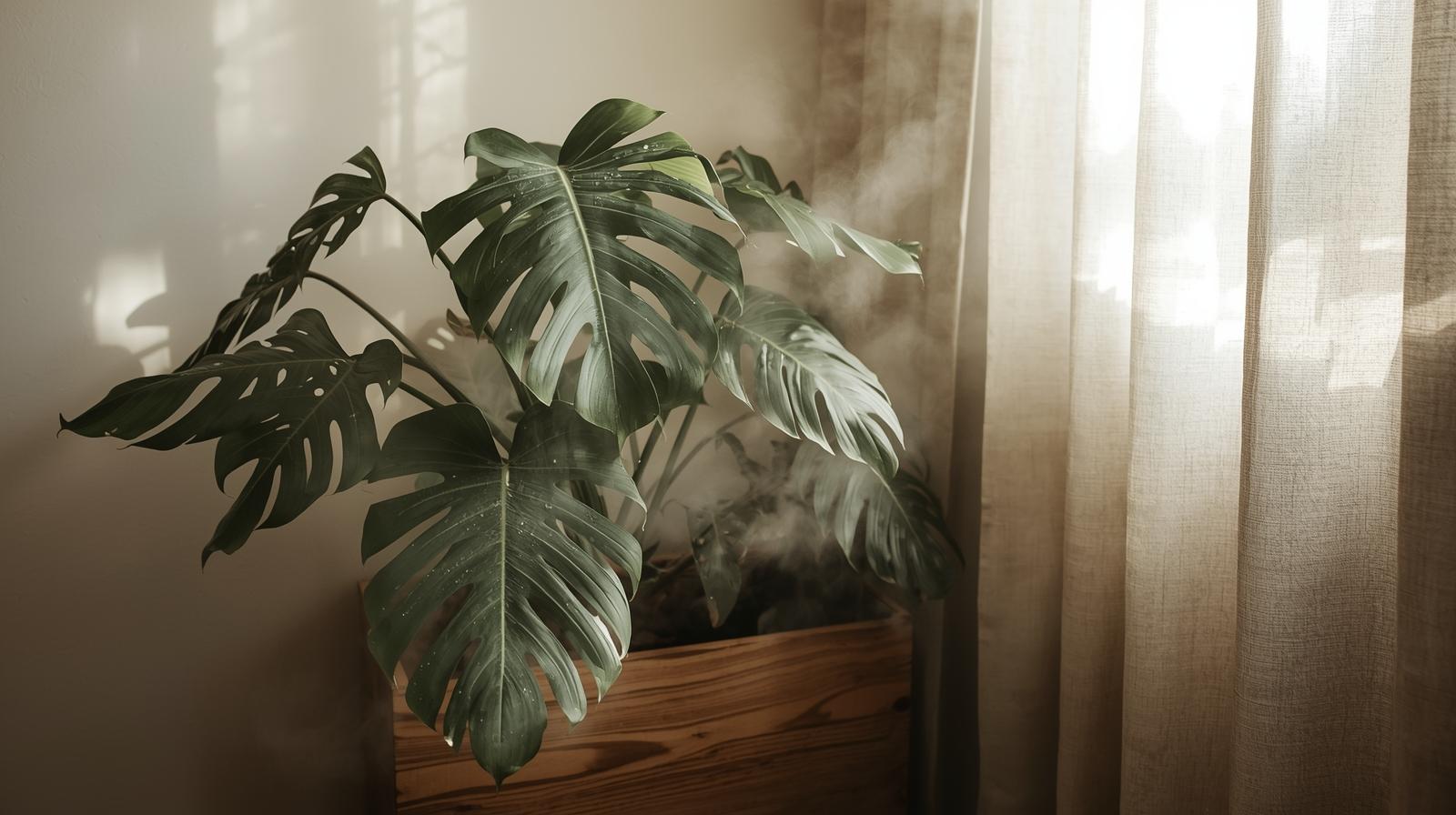
Morning light slants through the kitchen window, catching the fine mist still clinging to the edges of a calathea’s leaves. The air feels thick—not with heat, but with presence. You can almost taste the dampness, like walking into a forest after rain. Yet just three rooms over, the same house breathes dry, brittle air that cracks lips and curls leaf tips. This is the quiet paradox of indoor life: one home, two climates. And your tropicals? They’re whispering for the rainforest.
The Quiet Thirst of Tropical Leaves
Tropical plants didn’t evolve beside radiators or under the parched breath of central heating. They grew beneath dense canopies where mist clung to every surface, and the air held moisture like a secret. When you bring them indoors, their leaves remember that world—even if your living room doesn’t.
Brown edges, drooping stems, slow unfurling—these aren’t signs of neglect, necessarily. They’re signals. A calathea’s curl isn’t drama; it’s dehydration. And no, watering the soil won’t fix it. Roots drink. Leaves breathe. And what they’re gasping for is humidity.
“Plants do not live in soil. They live in air. The soil is only their anchor.” — Jean-Baptiste Lamarck
That’s where microclimates come in—not as a fix, but as an offering. A small, deliberate act of re-creation. You’re not just keeping a plant alive. You’re inviting a piece of the understory into your space.
Why Your Humidifier Isn’t Enough (And When It Is)
A humidifier hums through the night, filling the room with a cool fog. It helps—especially in winter, when the furnace turns your home into a desert. But it’s a blunt instrument. The moisture pools near the floor or vanishes near the ceiling. Your plants on the high shelf? Still thirsty.
And then there’s the noise. The constant whir can fray nerves, not soothe them. (Not exactly the calm we’re after.)
That said, in a small, sealed room—like a bathroom with a north-facing window—a humidifier can work beautifully. It’s why ferns thrive in bathrooms. The steam from your shower lingers, the door stays closed, and the air stays soft. But for the rest of the house? You’ll need more nuanced tools.
Pebble Trays: The Oldest Trick, Reimagined
A pebble tray isn’t just a dish of rocks. It’s a slow-release cloud, sitting right beneath your plant’s pot. The water evaporates gently, lifting moisture into the air that wraps around the leaves like a breath held close.
Here’s how to make one that works—and feels intentional:
Choose a wide, shallow tray—ceramic, stone, or even a vintage plate. Fill it with smooth river stones or clean pebbles. Pour in water until it’s just below the surface of the stones. Then set your pot on top. Never let the pot sit in standing water; that invites rot. The roots stay dry. The air stays damp.
Rinse the tray weekly. Algae will appear if you leave it too long—especially in sunlit spots. Use distilled or rainwater if your tap is hard; those white mineral rings dull the ritual.
And don’t hide it. Let the tray become part of your windowsill arrangement. A quiet sculpture of care.
The Art of Grouping: Plants as Community
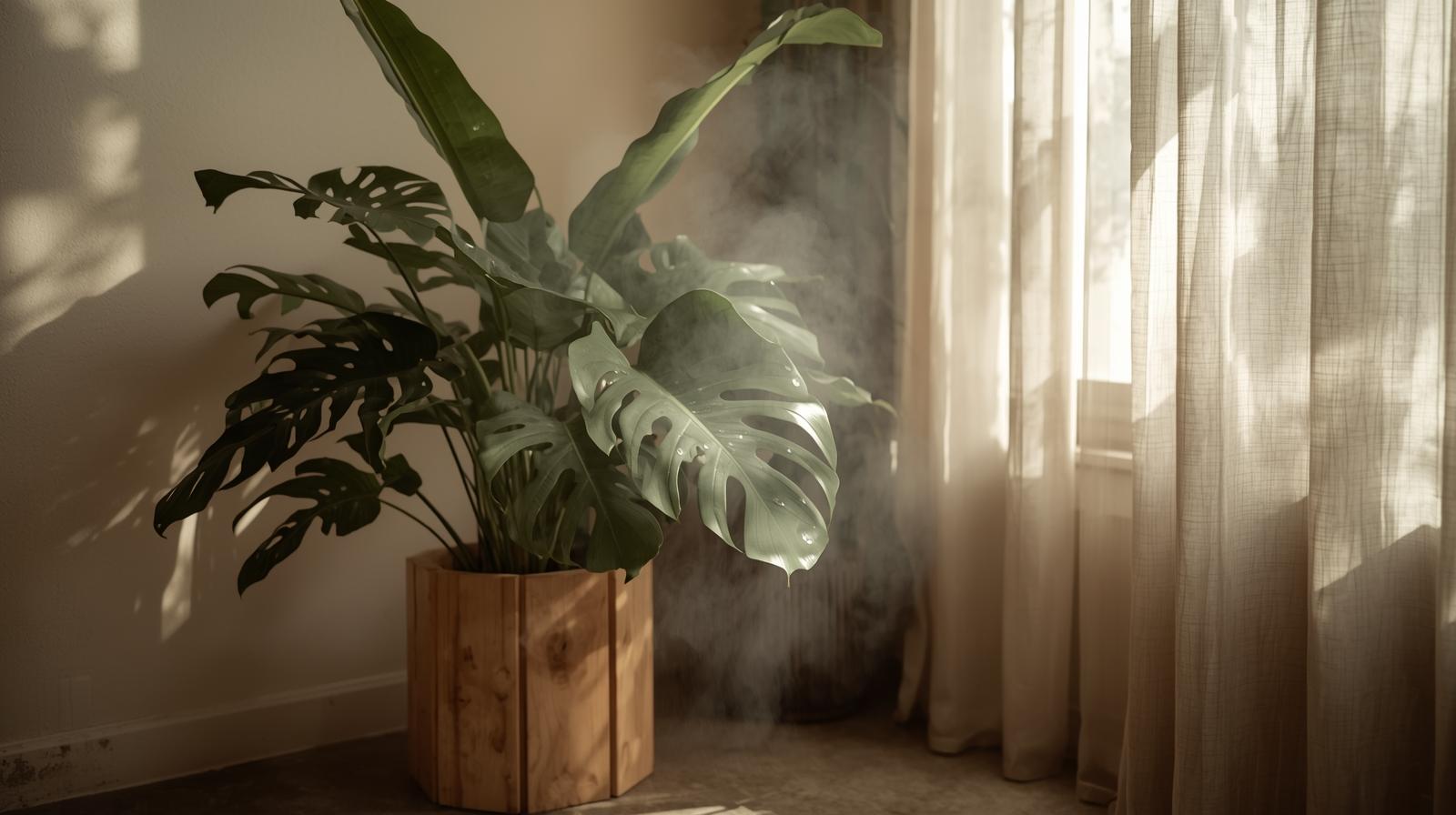
Plants transpire. They release moisture through their leaves, like soft exhalations. When you group them, that breath accumulates. A calathea next to a maidenhair fern next to a prayer plant—they create their own shared atmosphere.
This isn’t just practical. It’s poetic. They shelter one another.
But be thoughtful. Don’t pair a succulent with a stromanthe. Their needs clash. Instead, cluster plants that already speak the same language: similar light, similar water, similar longing for humidity. Try a trio of calatheas with varying leaf patterns—ripple, leopard, peacock—all thriving in the same pocket of moist air.
Leave space between them, though. Too tight, and airflow stalls. Fungal spores settle. Think of it like friendship: close, but never suffocating.
When to Mist—And When to Let Go
Misting is often misunderstood. It won’t solve chronic dryness. But as a ritual? It’s grounding.
Early morning, fill a fine-mist spray bottle with room-temperature distilled water. Stand close. Spray lightly—not to drench, but to glisten. The droplets catch the light. The leaves shimmer. For a moment, your plant is back in the cloud forest.
Do this daily if it brings you peace. But skip it if your home is cool or poorly ventilated—wet leaves in still air invite trouble. And never mist plants with fuzzy leaves (like African violets) or those prone to spotting.
If you’d like to deepen this practice, our misting rituals guide offers a mindful framework—not just for plants, but for presence.
Windows, Walls, and Warmth: Reading Your Room’s Breath
Your home isn’t uniform. It has moods. Zones. Micro-weather.
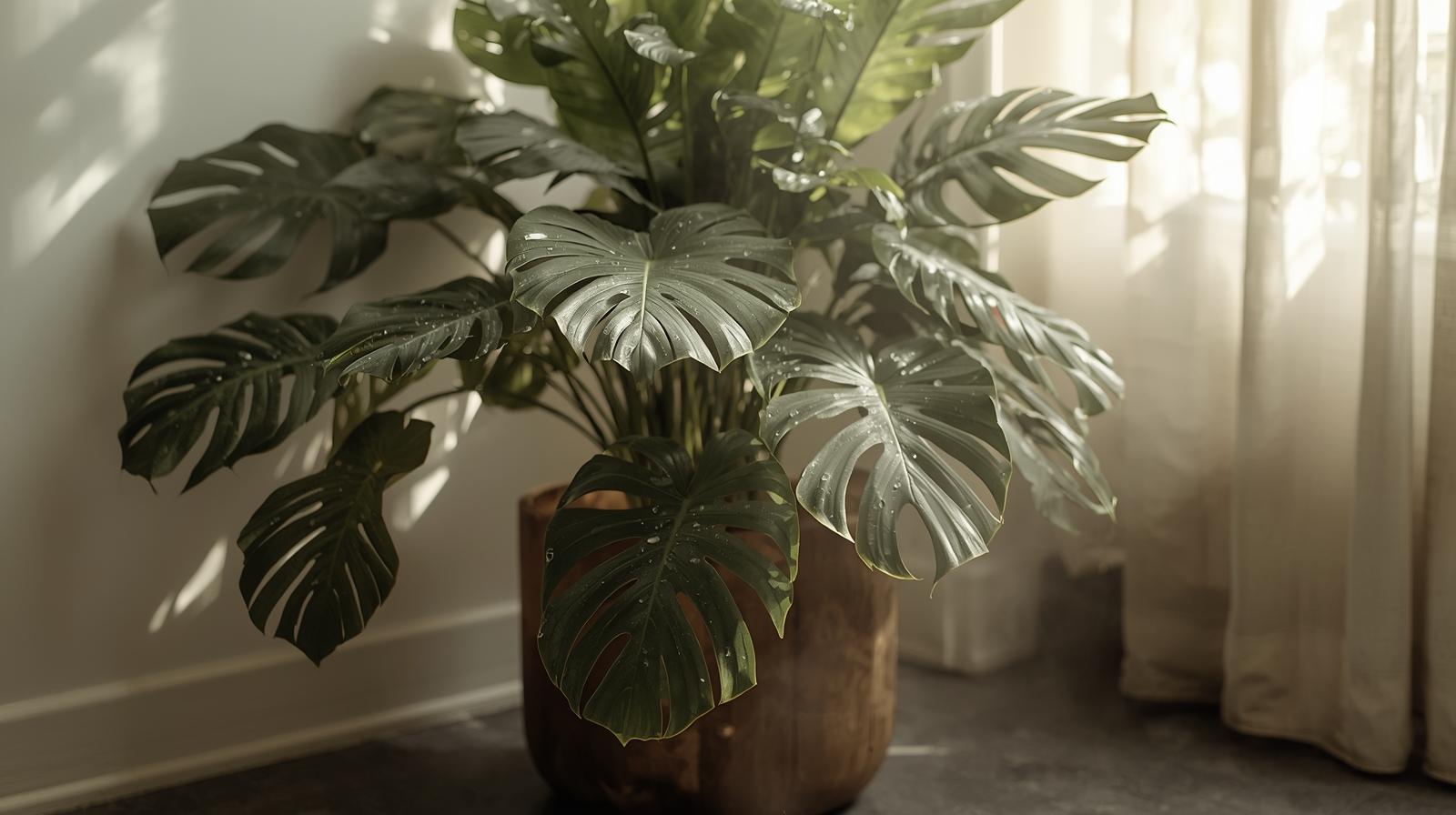
The bathroom after a hot shower? A temporary rainforest. The corner by the radiator? A dust bowl. The north-facing bookshelf? Cool, stable, slightly damp if you’re lucky.
Learn these rhythms. In winter, move your tropicals into the steamy embrace of the bathroom for a few days. In summer, place them near (not in) a shaded patio door where evening breezes carry humidity from outside.
Even small gestures help: hang laundry to dry in the same room, keep a vase of cut greenery on your desk, leave the kitchen door open while boiling water. These aren’t hacks. They’re harmonies.
Sit with your plants once a week. Watch how the light moves across their leaves. Notice which ones stretch toward the window, which ones curl inward. They’re telling you where they feel held.
Beyond Tools—Cultivating Humidity as a State of Mind
Creating humidity isn’t just about pebble trays or humidifiers. It’s about attention.
When you refill a tray, you pause. When you group plants, you consider their relationships. When you mist, you breathe with them. These acts stitch slowness into your day.
And maybe that’s the real microclimate we’re after—not just for the plants, but for ourselves. A pocket of calm in a dry, rushing world. Soft air. Steady presence. Room to unfurl.
Common Questions
Do pebble trays really work?
Yes—but only in the immediate vicinity of the plant. They raise humidity within 6–12 inches, not across the room. Think of them as personal clouds, not weather systems.
Can I use a bowl of water instead of a pebble tray?
You can, but evaporation is slower and less consistent. Pebbles increase surface area and keep the pot elevated, preventing root rot. They also look nicer on your oak sideboard.
How often should I refill my pebble tray?
Every 1–3 days, depending on temperature and airflow. Let it dry out completely once a week to discourage algae or mosquitoes.
Are humidifiers better than natural methods?
Not inherently. Humidifiers offer broader coverage but lack intimacy. The quiet magic lies in combining both: a humidifier for baseline support in winter, and pebble trays or plant groupings for targeted, soulful care.