
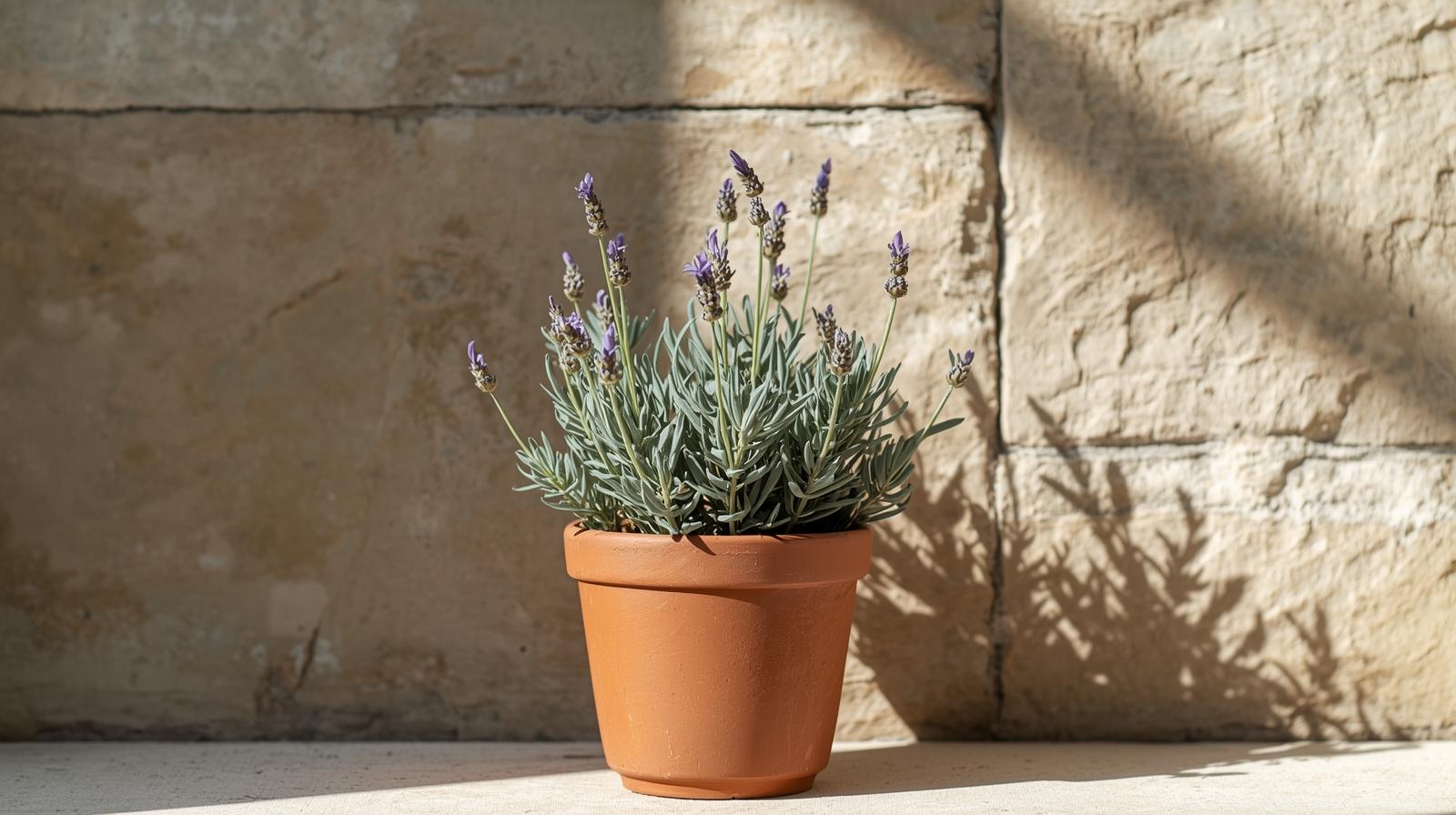
A single stem of lavender, dried and brittle, tucked behind a sun-bleached curtain. The afternoon light slants through the window, catching the dust motes that swirl like tiny galaxies above your windowsill. You brush your fingers against the faded purple buds—still faintly fragrant, still stubbornly aromatic despite months indoors. That scent, thin but persistent, pulls you into a memory: a hillside in Provence, or maybe just the dream of one. Lavender indoors isn’t just a plant—it’s a whisper from a wilder world, asking you to slow down, to notice, to care with intention.
The Sun-Seeker in a Shaded World
Lavender was never meant for dim corners or filtered northern light. It hails from sun-baked Mediterranean slopes where the soil is gravelly, the air moves freely, and rain is a rare visitor. Indoors, it’s like asking a mountain lion to live in a studio apartment—possible, but only with extraordinary accommodation.
Watch how your plant leans. Not just toward the window, but with a kind of yearning in its posture. If the stems stretch thin and the leaves lose their silvery sheen, it’s not being dramatic—it’s signaling. Try this: for one week, sit with your plant at noon. Note where the shadow falls. If it’s longer than the pot, your lavender is surviving, not thriving.
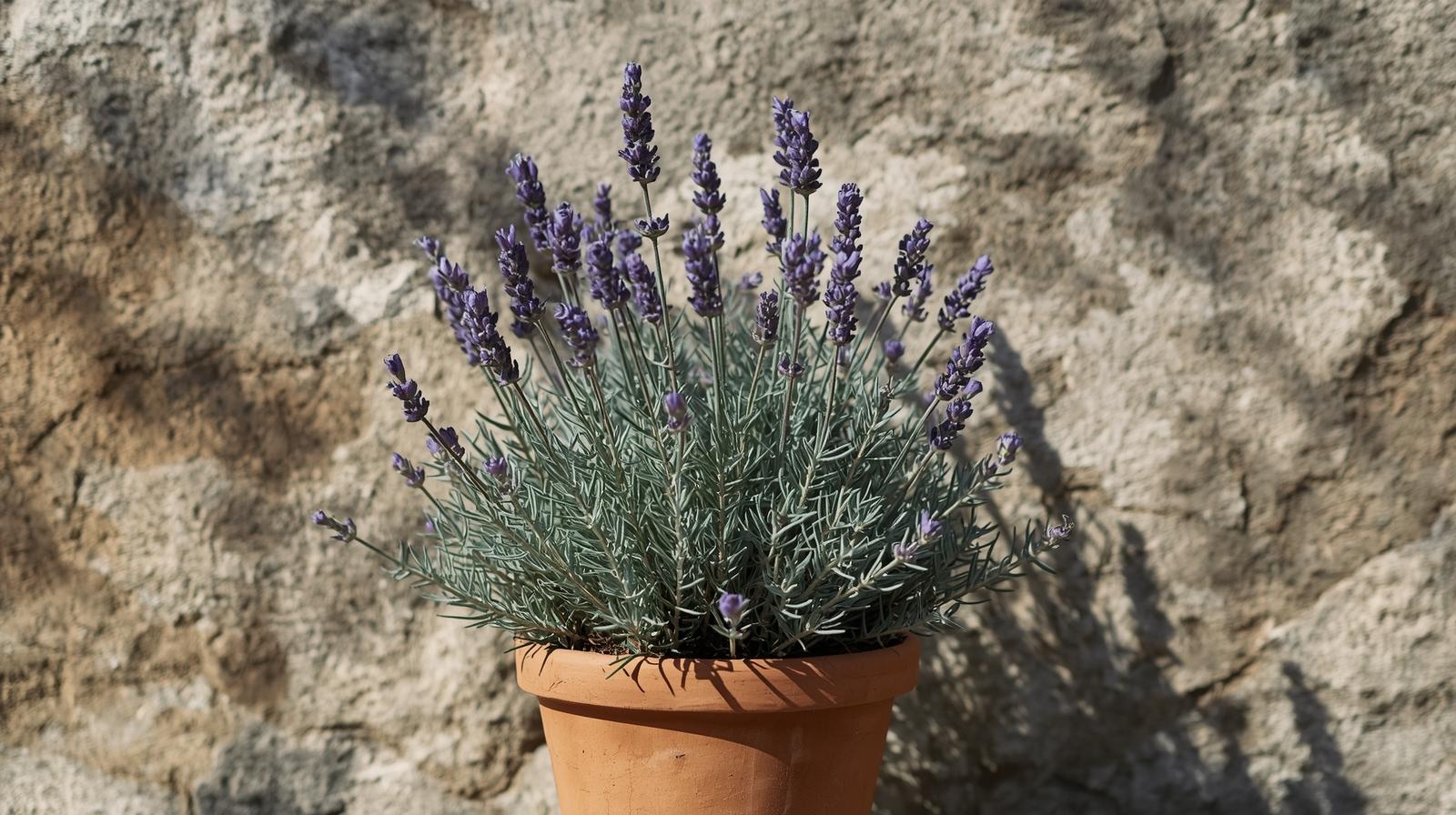
And that scent? A healthy indoor lavender should release its perfume when you graze it with your fingertips—not when you crush it in frustration. If you have to squeeze to smell it, the light isn’t enough.
Aromatherapy Isn’t Passive—It’s a Dialogue
We often treat aromatherapy as something we take from plants. But with lavender, it’s an exchange. The more you meet its needs, the more it offers its calming essence. A stressed plant emits fewer volatile oils—its fragrance dims along with its spirit.
Make a morning ritual of it. Cup the foliage gently in your palms, inhale deeply, and notice what shifts in your chest. If the scent is faint, don’t reach for a diffuser. Instead, rotate the pot, open the window for ten minutes of fresh air, or move it closer to the glass. This is how you listen.
Unlike the synthetic calm of plug-in oils, a living lavender asks you to show up. It’s a relationship, not a transaction—much like the quiet bond explored in our piece on scent and memory.
“Plants do not give us peace. They invite us into the quiet work of earning it.” — Anonymous, found etched on a greenhouse bench in Kyoto
When the Scent Fades
Gray foliage. Brittle stems. Bare patches at the base. These aren’t death sentences—they’re invitations to adjust. First, check the roots. Gently tip the pot and peek. If they’re brown, mushy, or smell sour, you’ve been too kind with water. If they’re white and firm but the plant still droops, it’s likely light deprivation.
Lavender doesn’t sulk. It speaks plainly—if you’re willing to decode its language.
The Architecture of Light
South-facing windows are non-negotiable in winter. In summer, a west-facing sill might suffice—but never east, and never shaded by trees or buildings. Light isn’t just brightness; it’s duration, angle, and intensity. Your plant feels the difference between six hours of direct sun and six hours of “bright indirect” the way you feel the difference between a warm hug and a polite handshake.
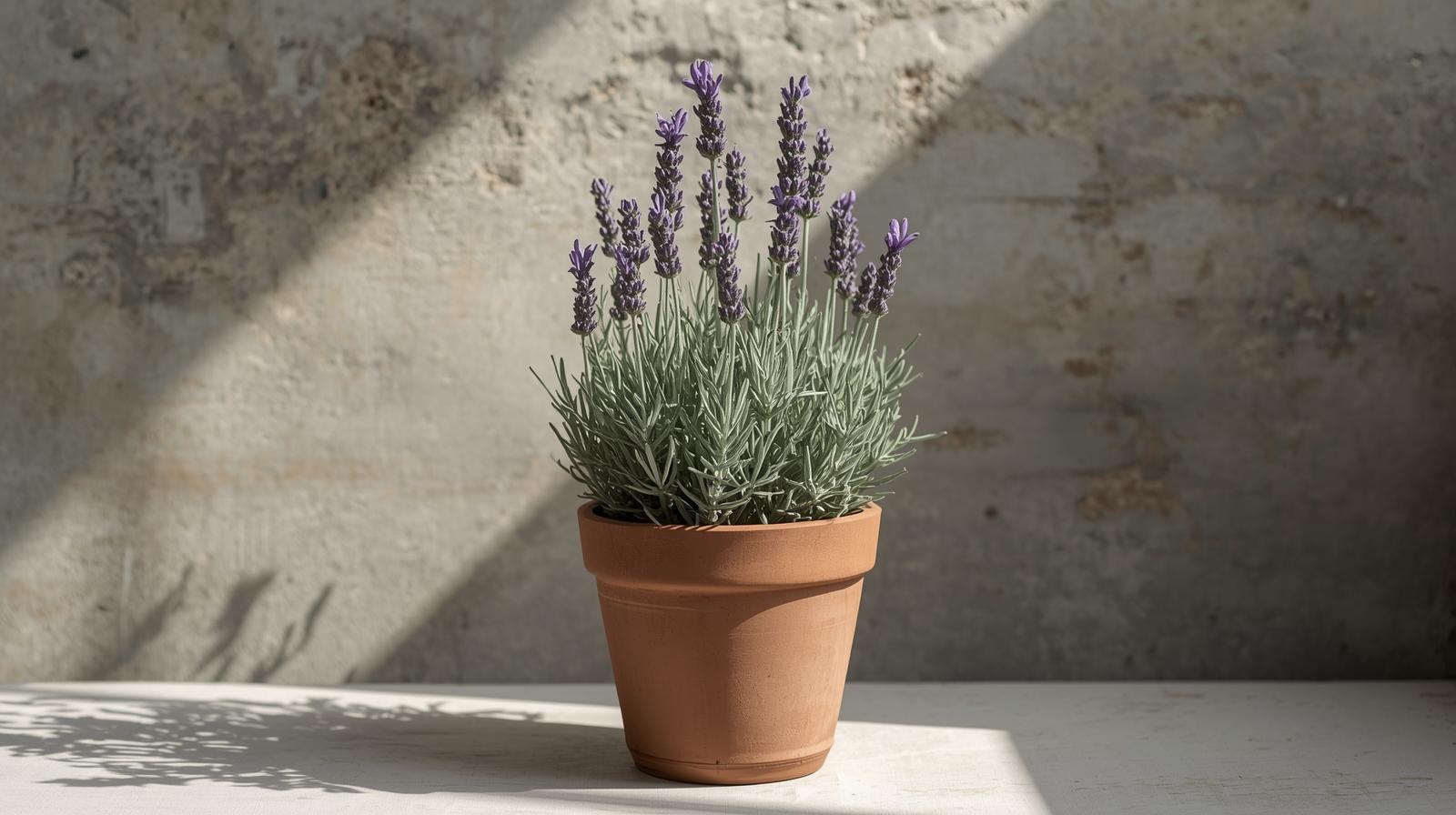
Try this: drape a white cotton sheet over a chair opposite the window. The reflected light will soften shadows on the plant’s shaded side, encouraging even growth. It’s a trick borrowed from old European conservatories—simple, silent, effective.
If you’re relying on artificial light (and sometimes you must), choose a full-spectrum LED and set it on a timer for 12 hours. Mimic dawn, not a stadium spotlight. For more on how light shapes both plant vitality and human mood, see our thoughts on lighting for ambiance.
Watering as a Practice of Restraint
Here’s the hardest lesson: lavender thrives on neglect—but only the right kind. It doesn’t want your constant attention. It wants your restraint.
Water only when the soil is dry two knuckles deep. Not one. Two. Stick your finger in like you’re testing cake batter—except you’re waiting for aridity, not moisture. The pot should feel light, almost hollow, in your hands.
And never water at night. Cold, wet soil in darkness is a fungal invitation. Morning water lets the roots drink before the sun warms the pot, and any excess evaporates by dusk. Use room-temperature water—never cold from the tap. Your plant notices.
Terracotta isn’t just pretty. It breathes. The clay pulls moisture from the soil like a slow exhale. Plastic traps. Stone suffocates. Choose wisely.
The Bedroom Paradox
Everyone wants lavender by the bed. Its reputation for calm is legendary. But bedrooms are often lavender’s nemesis: closed doors, low light, still air, and the occasional burst of humid breath during sleep.
Instead of fighting it, work with the rhythm. Keep your living lavender in the brightest room during the day—a sunroom, a kitchen nook, a south-facing shelf. Then, at dusk, snip a single flowering stem, dry it for a few hours near a fan, and tuck it into your pillowcase. You get the scent without the stress.
For more on plants that actually belong in the bedroom—ones that purify air and encourage rest without demanding desert conditions—read our guide to bedroom plants for sleep.
Embracing the Challenge
Lavender indoors isn’t for the casual plant parent. It’s for the curious, the patient, the ones who find meaning in tending something that doesn’t bend easily to domestication.
Maybe it only lasts one summer. Maybe it blooms once, fills the room with that unmistakable herbal sweetness, and then fades. That’s not failure. That’s a season honored.
Consider taking cuttings in early spring—four-inch stems with no flowers, dipped in honey (yes, honey—it’s a natural rooting hormone), planted in gritty soil. Keep them in bright, indirect light until they root. It’s a way to extend the conversation.
You don’t succeed with indoor lavender by conquering it. You succeed by listening until it tells you what’s possible.
Common Questions
Can lavender really survive indoors long-term?
Yes—but only specific compact varieties like ‘Hidcote’ or ‘Munstead’, placed in a true south window with six or more hours of direct sun. Even then, most last 1–2 years before declining. Think of it as a seasonal companion, not a forever plant.
Why does my indoor lavender smell weaker than outdoor plants?
Light drives oil production. Less sun = fewer aromatic compounds. If your plant is stretching or pale, it’s not making much scent. Boost light first—everything else follows.
Should I mist my lavender for humidity?
No. Never. Lavender despises wet leaves. Misting invites mildew and rot. Indoor air is usually dry enough—lavender prefers it that way. If your home is humid, open a window or run a fan nearby for airflow.
Can I use indoor lavender for tea or sachets?
Only if you’ve grown it without synthetic sprays or fertilizers. Harvest just as buds begin to open, tie stems in small bundles, and hang upside down in a dark, airy closet for 10–14 days. The dried flowers will be milder than field-grown, but still lovely for drawer sachets or a single calming cup of tea.