
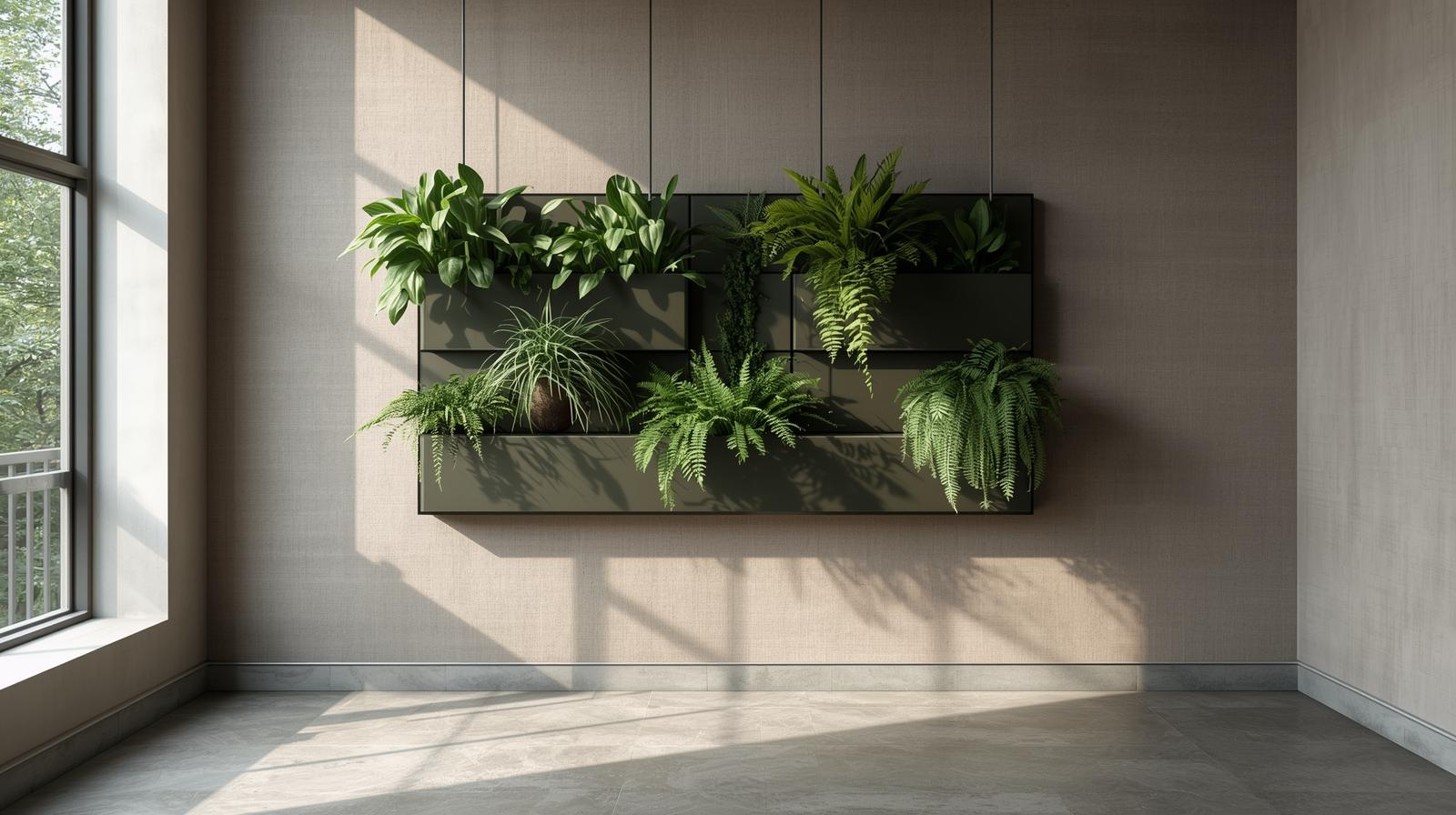
Morning light slips through the gap in the curtain, catching the fine mist clinging to a cascade of heart-shaped leaves. In the quiet corner of a compact apartment, a vertical tapestry of green breathes—not as decoration, but as companion. This is where DIY, small space, and vertical converge not as constraints, but as invitations: to tend upward, to cultivate depth without sprawl, to let calm grow in layers rather than square footage.
The Architecture of Air and Leaf
A wall is often the most neglected surface in a small home—flat, silent, waiting. But when transformed into a living plane, it becomes a sanctuary that rises with you. Vertical gardens do not merely occupy space; they redefine it, drawing the eye upward and the mind outward.
In tight quarters, floor space is precious. A living wall offers greenery without footprint, softening hard lines with organic form. It is architecture that breathes, that changes with the hours and seasons.
“The best place to find God is in a garden. You can let the weeds grow around your feet while you meditate on the mystery of the green leaf.” — Dorothy Frances Gurney
Choosing the Right Wall—Light, Humidity, and Intention
Not every wall welcomes life equally. Observe yours over two days: note where light pools in the morning, where shadows gather by evening. A north-facing wall may cradle ferns; a sun-drenched south wall might suit succulents—if you’re willing to mist diligently.
Humidity matters. Kitchens and bathrooms offer moisture, but avoid mounting directly above steam vents. Use a simple notebook to log conditions—light duration, temperature shifts, drafts. Let the wall speak before you plant.
Curating a Vertical Ecosystem
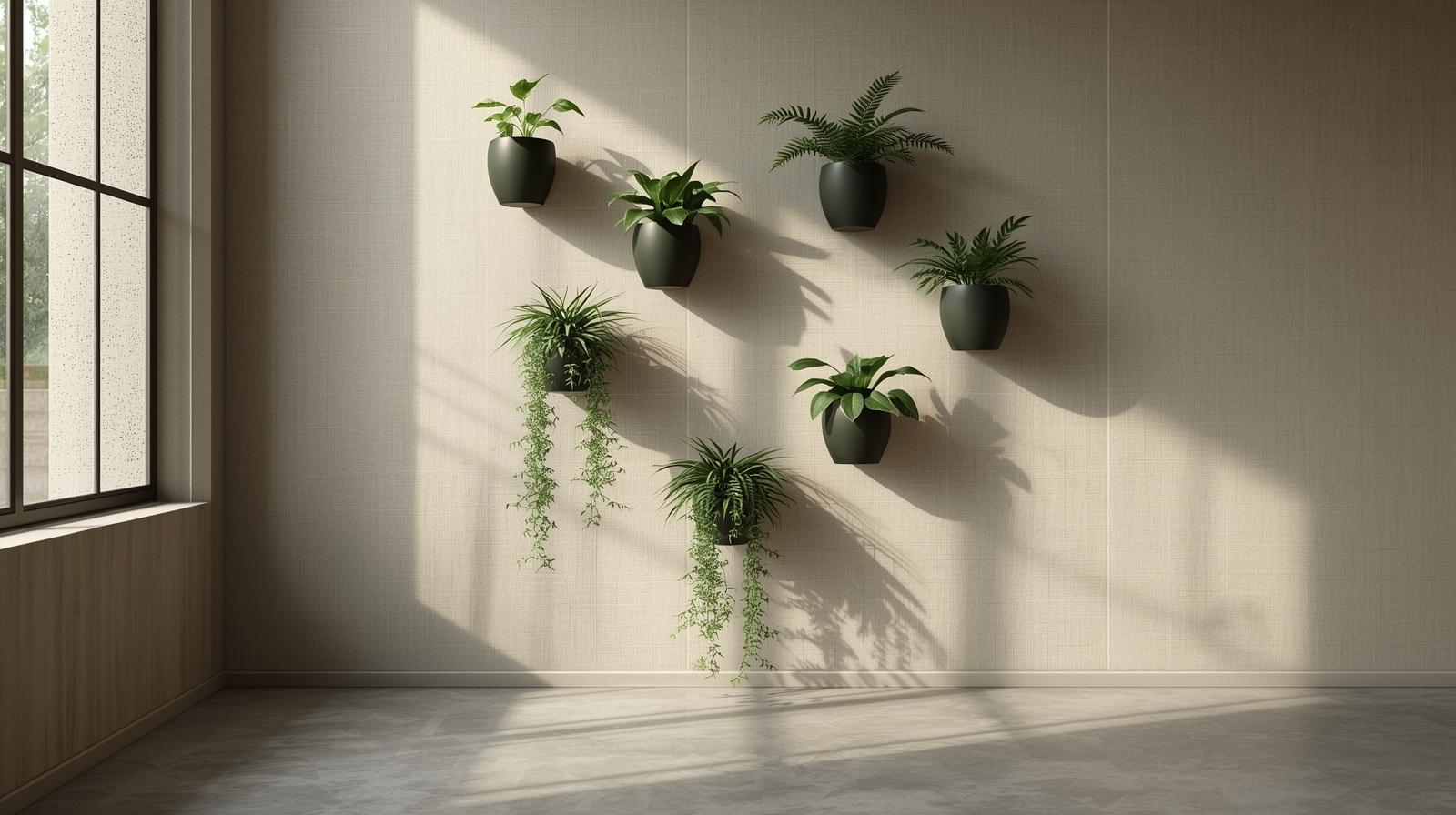
A living wall is not a collage of random pots stacked high. It is a composition. Consider texture: the velvet of a philodendron micans beside the crisp fronds of a bird’s nest fern. Think rhythm: trailing pothos flowing like water, upright peperomias standing like sentinels.
Begin with three to five species that share similar needs. Pothos, heartleaf philodendron, rabbit’s foot fern, and string of pearls all tolerate moderate light and appreciate gentle moisture. Their forms complement rather than compete.
For those drawn to moisture-rich corners, the delicate fronds of maidenhair ferns echo the same serenity found in ferns for bathrooms.
Structural Integrity and Breathability
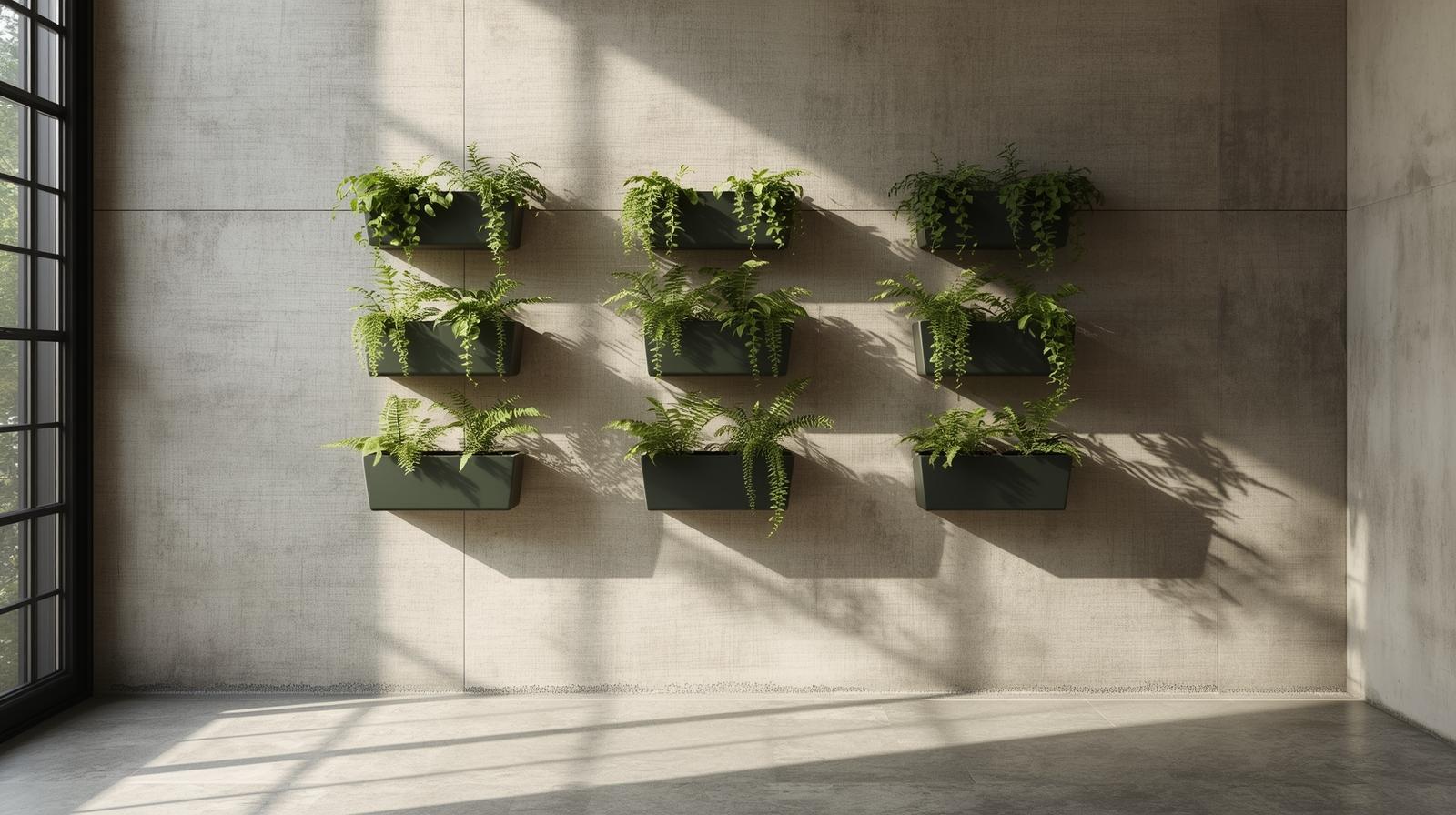
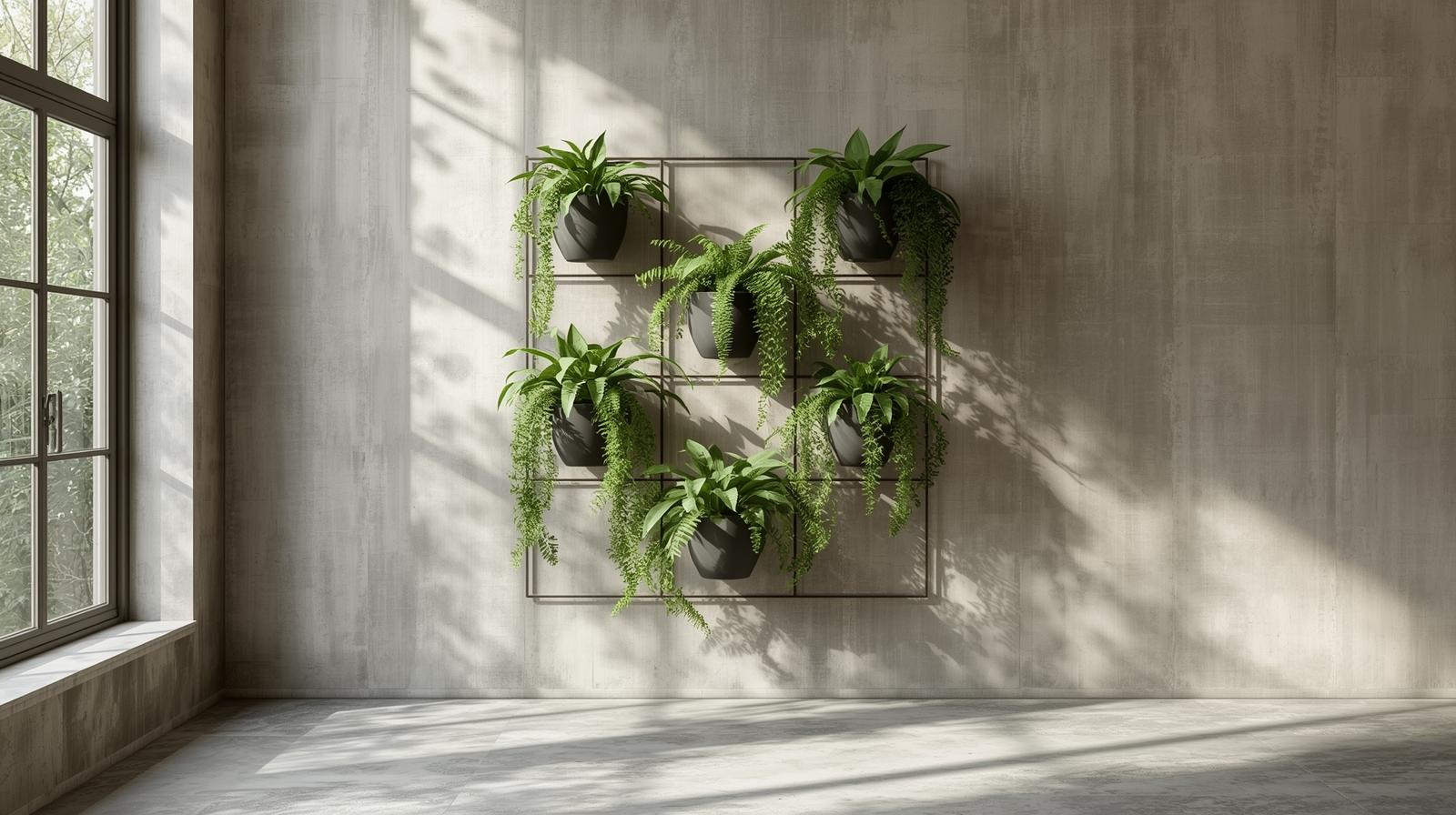
The frame must support life without suffocating it. Felt pocket panels allow roots to grip while air circulates behind. Modular ceramic grids offer elegance and drainage. Reclaimed wood frames lined with coco fiber bring warmth—but ensure a waterproof barrier sits between wood and wall.
Avoid plastic-backed systems that trap condensation. Plants, like people, need to exhale. Leave a half-inch gap between the panel and the wall to encourage airflow and prevent mold.
The Ritual of Vertical Care
Caring for a vertical garden is not a chore—it is a daily return to presence. Misting becomes a pause in your morning. Trimming a yellowed leaf is an act of attention, not correction.
Watering requires precision. For felt or coco systems, pour slowly at the top until moisture seeps through to the base—usually 1–2 cups, depending on size. Wait until the panel feels light before watering again, typically every 5–7 days in average indoor conditions.
Use a light, airy mix: two parts coco coir, one part perlite, one part orchid bark. This blend holds moisture without compaction, letting roots breathe as they cling.
Propagation becomes effortless when your living wall overflows—learn how to propagate pothos to share or expand your green veil.
Seasonal Shifts and Patience
In winter, growth slows. Light wanes. Accept this rhythm. Reduce watering, cease feeding, and simply observe. Come spring, new shoots will emerge—tiny affirmations of continuity.
Keep a small journal nearby. Note the date of the first unfurling leaf, the day a vine reaches for the window. These are not records of productivity, but of companionship.
The Aesthetic of Impermanence
A perfect wall is a static one—and static is not alive. Allow space for change. A gap where a plant rested before being moved to a brighter spot. A trailing stem that outgrows its frame and dips toward the floor like a question.
This is wabi-sabi in practice: beauty in transience, dignity in decay. A yellowing leaf is not failure—it is part of the conversation between care and acceptance.
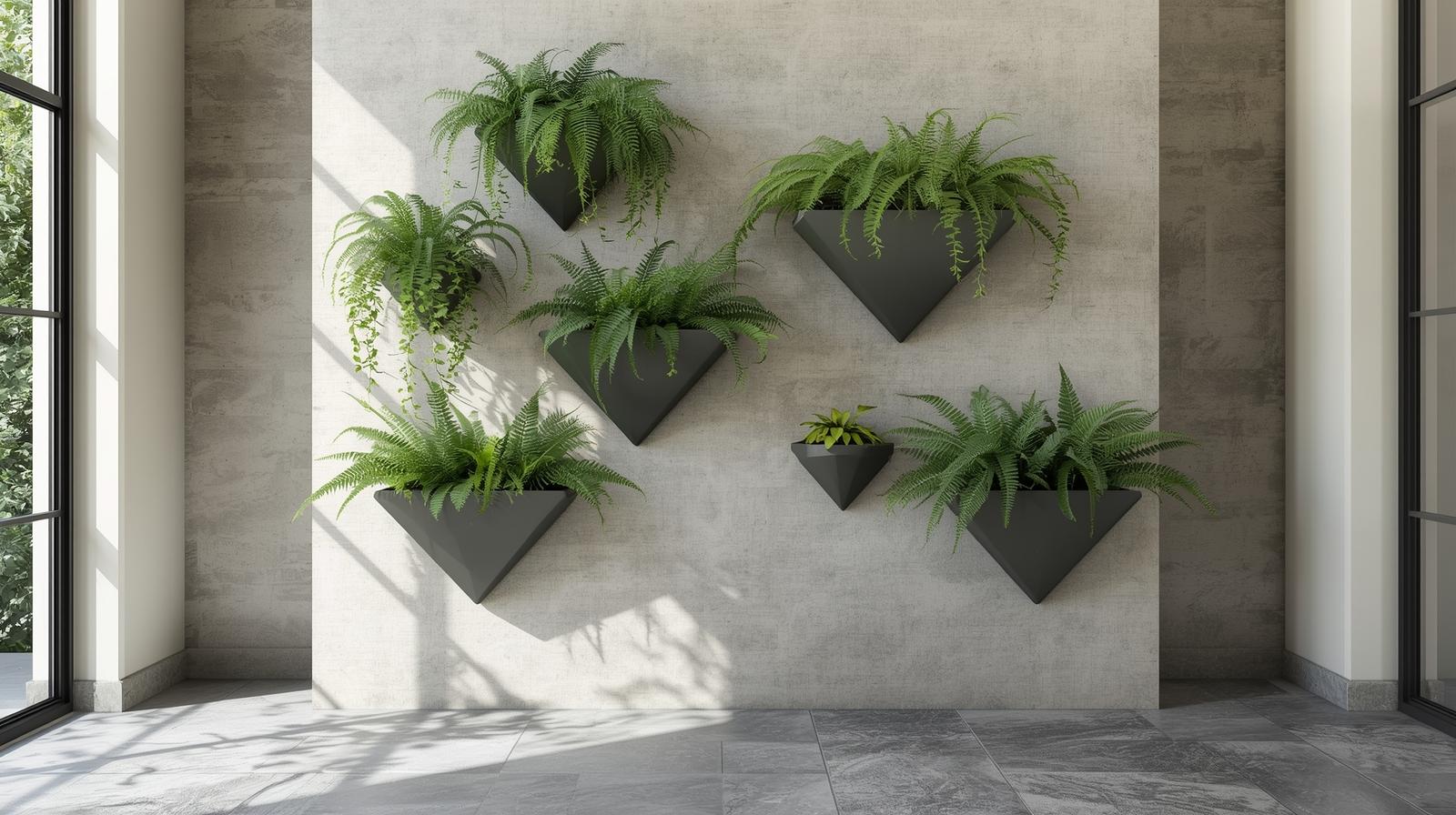
For shelves that echo this ethos of gentle overflow, explore how trailing plants on shelves invite the eye to wander downward, complementing your upward-growing sanctuary.
The same grace that animates a vertical wall can soften the edges of high shelves—see trailing plants on shelves for spatial harmony.
Common Questions
How often should I water a vertical indoor garden?
Every 5–7 days in moderate light. Check the back of the panel—if the liner feels dry an inch deep, it’s time. Water slowly until moisture reaches the base, but never let it pool.
Can I install a living wall in a rental without damaging walls?
Yes. Use tension rods with draped macramé pockets, freestanding room dividers with built-in planters, or removable adhesive hooks rated for weight and humidity. Always test adhesives in an inconspicuous spot first.
Why are the lower plants in my vertical garden struggling?
Light diminishes downward while moisture accumulates. Choose low-light-tolerant species for lower tiers, or rotate plants monthly. Ensure even misting across all levels.
Do living walls attract pests indoors?
Rarely, if airflow is maintained and overwatering avoided. Mist with diluted neem oil once a month at dusk as both tonic and deterrent.
Stand before your wall in the quiet hour before bed. Watch how the shadows shift across its surface. Notice which leaf trembles first when the heater clicks on. This is not gardening as task—it is gardening as witness. And in that witnessing, space expands, even in the smallest room.