

Late afternoon sun slants through the blinds, catching dust motes above your keyboard. The hum of the laptop fan blends with the distant clatter of a coffee cup. Your shoulders ache. Your eyes feel dry. And then—a rustle. Not from the hallway, but from the corner of your desk: a single jade leaf trembling in a draft you hadn’t noticed until now. That small movement, that quiet presence, is your first breath of calm today.
The Unseen Architecture of Calm
Plants don’t just sit on your desk—they reshape the air around you. They soften the hard edges of monitors, mute the glare of overhead fluorescents, and carve out pockets of stillness in spaces built for speed. A well-placed leaf becomes a visual pause button.
Think of your workspace as a composition. Too much empty desk feels sterile; too many trinkets feel frantic. One plant—just one—can anchor the chaos. Place it where your eyes land when they drift from the screen. Let it be a landmark for your wandering attention.

“Plants are the slow, deliberate thoughts of the earth.” — Ursula K. Le Guin
Light as a Living Ingredient
Before you buy a plant, spend a day watching how light moves across your desk. Does it pool in one corner by 3 p.m.? Does your monitor cast a shadow over your notebook? Map it like a gardener would.
Cool, indirect light from a north-facing window suits the quiet dignity of a snake plant—whose air-purifying powers work best while you sleep. A splash of southern sun? That’s where a ZZ plant thrives, its waxy leaves catching brightness without burning. (They’re tougher than they look.)
The Quiet Thirst: Choosing Plants That Speak Your Language
Not all plants demand the same kind of care. Some ask for daily attention. Others barely notice if you forget them for weeks. Match the plant to your rhythm—not your ideal self.
The Snake Plant stands upright like a silent guard. It forgives missed waterings and thrives on neglect. At night, it exhales oxygen while you exhale stress—a quiet partner in restoration.
The ZZ Plant gleams with a low-luster confidence. It stores water in its rhizomes like a desert traveler with a hidden canteen. If your routine is unpredictable, this is your botanical soulmate—a master of resilience without drama.
And then there’s the Pothos, trailing gently from a shelf or hanging planter. Its leaves droop just enough to signal thirst—never dramatically, always gently. It teaches you to listen.
When You Forget to Water (And That’s Okay)
We’ve all returned from vacation to find a plant slumped in its pot, soil pulled away from the edges like it’s retreating. Don’t toss it. Trim the yellowed stems. Water slowly—room-temperature water, poured until it seeps from the drainage holes. Wait.
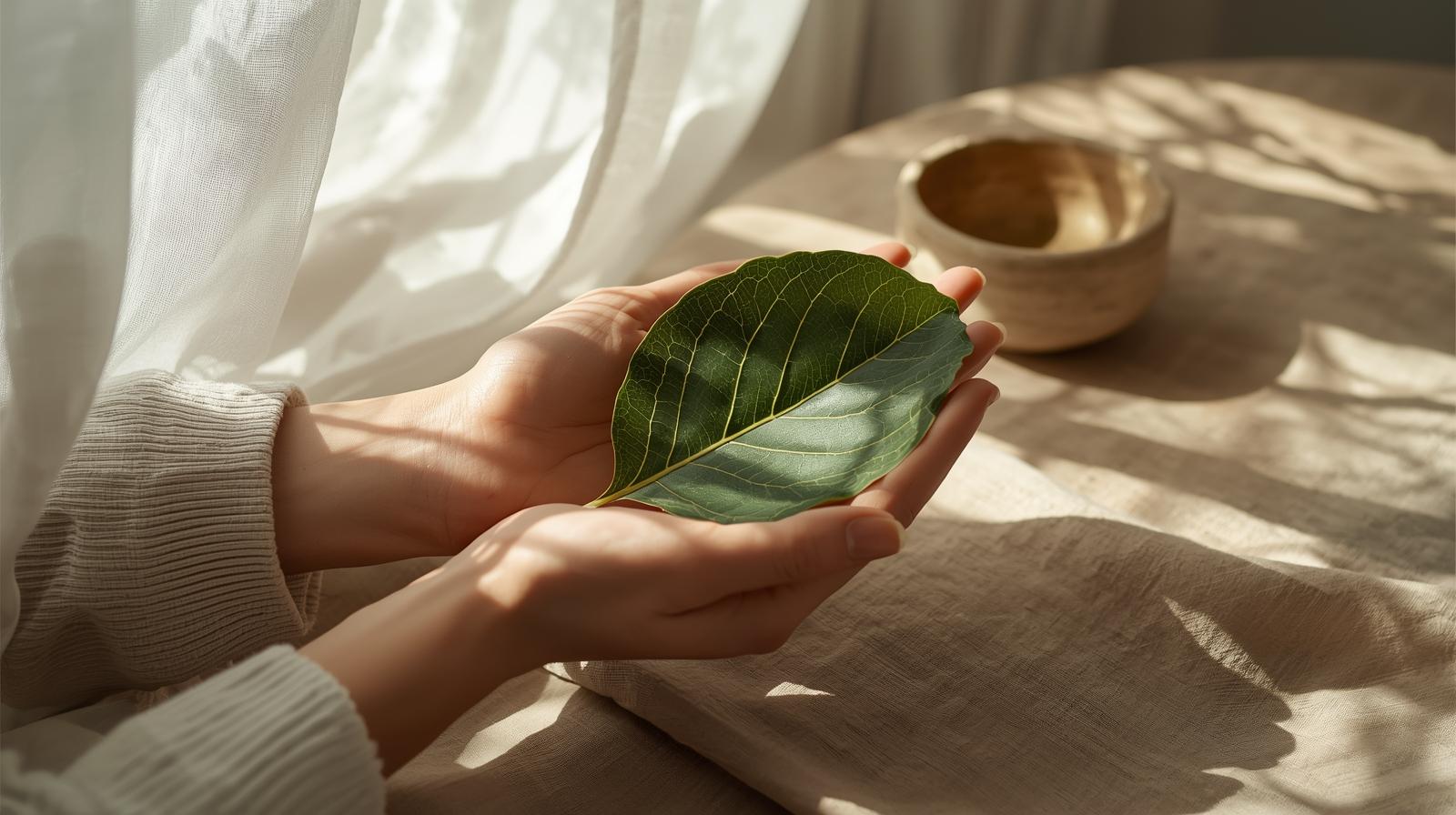
Revival isn’t instant. But in two weeks, a new shoot may appear. Small. Determined. A reminder that recovery isn’t linear—and neither is focus.
Beyond Oxygen: The Subtle Symphony of Sound and Stillness
You might not realize it, but your plant is absorbing more than carbon dioxide. Broad leaves and dense foliage dampen the sharp ping of keyboard taps, the muffled ring of a distant phone, the low drone of the HVAC system—a natural acoustic buffer most never consider.
Place a fern or a peace lily near your printer or beside a frequently opened door. Not as decoration, but as a soft wall. You’ll feel the difference before you hear it—a slight drop in mental static, like turning down the volume on the world.
The Ritual of Turning Toward Green
Every hour, look at your plant for thirty seconds. Not while scrolling. Not while typing. Just look.
Notice the curve of a leaf. The way light catches its veins. The faint fuzz on its stem. This isn’t a break from work—it’s a recalibration. Your breath slows. Your shoulders drop half an inch. You return to your screen not refreshed, but recentered.
Arranging Your Green Sanctuary—Less Is More
One plant. Two at most. Any more, and the calm turns to clutter.
Position your main plant at eye level when seated—on a stack of books, a small stool, or a dedicated plant stand. Let it live in your peripheral vision, not your focal point. Below the desk, a trailing pothos or spider plant draws your gaze downward, relieving neck tension without demanding attention.

Avoid placing anything directly behind your monitor. That creates visual competition. Your eyes should rest on green, not fight it.
When Growth Mirrors Your Own
A new leaf on your ZZ plant might take six weeks to unfurl. No notifications. No deadlines. Just slow, steady becoming.
In a world that measures output in completed tasks and unread emails, this kind of growth feels radical. It asks nothing of you but patience. And in return, it offers a different metric for success: presence.
Try this: when you notice a new leaf, write one sentence in a notebook. “Today, I watered the plant. I also let myself rest.” Let your plant be your witness.
Common Questions
Can office plants really boost productivity?
Studies suggest they don’t necessarily make you faster—but they do help you stay focused longer. The key isn’t output; it’s sustained attention. A glance at greenery resets mental fatigue, like blinking for the brain.
What if I have no natural light?
Snake plants and ZZ plants survive—and even thrive—in low-light offices. Supplement with a small, warm-white LED grow light (2–4 hours daily) placed just above the pot. Keep it subtle; you’re supporting life, not staging a photoshoot.
How do I keep my plant alive during weekends or vacations?
Fill a glass jar with water. Run a cotton string from the jar into the soil—the plant will wick moisture as needed. Or, ask a coworker to “plant-sit” in exchange for tending theirs. Shared care builds quiet community.
Do plants reduce workplace stress?
Yes—but not because they’re magical. They invite micro-moments of mindfulness. The act of touching soil, noticing a leaf, waiting for growth—these are tiny acts of rebellion against urgency. And that’s where calm begins.