
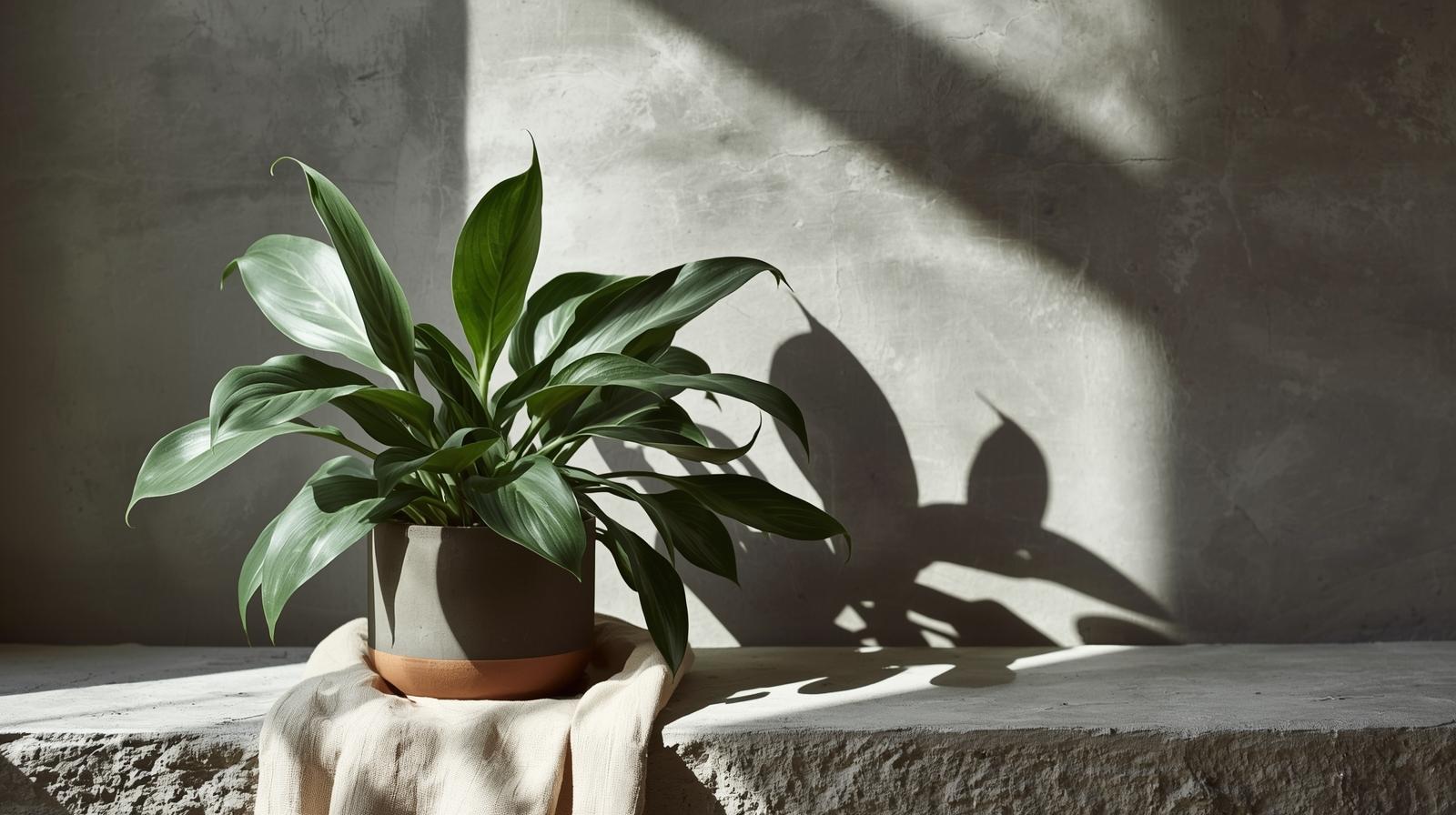
Sunlight slants through the kitchen window, catching motes of cat fur drifting like dandelion seeds. Your feline stretches on the sill, tail flicking, one paw kneading the air as if dreaming of grass. But beyond the glass—inside your sanctuary—every leaf must be chosen with care. Not just for beauty, but for breath. For safety. For the quiet trust between human, plant, and paw.
The Delicate Balance: Greenery and Guardianship
There’s a quiet ache in wanting your home to bloom while knowing your cat might take a bite out of that bloom. You’re not just decorating—you’re negotiating a shared life. Cats chew for reasons older than houses: instinct, curiosity, a need to soothe their stomachs. Understanding that doesn’t make your palms sweat less when you bring home a new plant.
Non-toxic doesn’t mean cat-proof. Even safe plants can cause a grumpy tummy if your feline decides to snack like it’s a salad bar. The goal isn’t perfection—it’s presence. Watching, adjusting, learning how your cat moves through your green space.
Ten Gentle Companions for Curious Cats
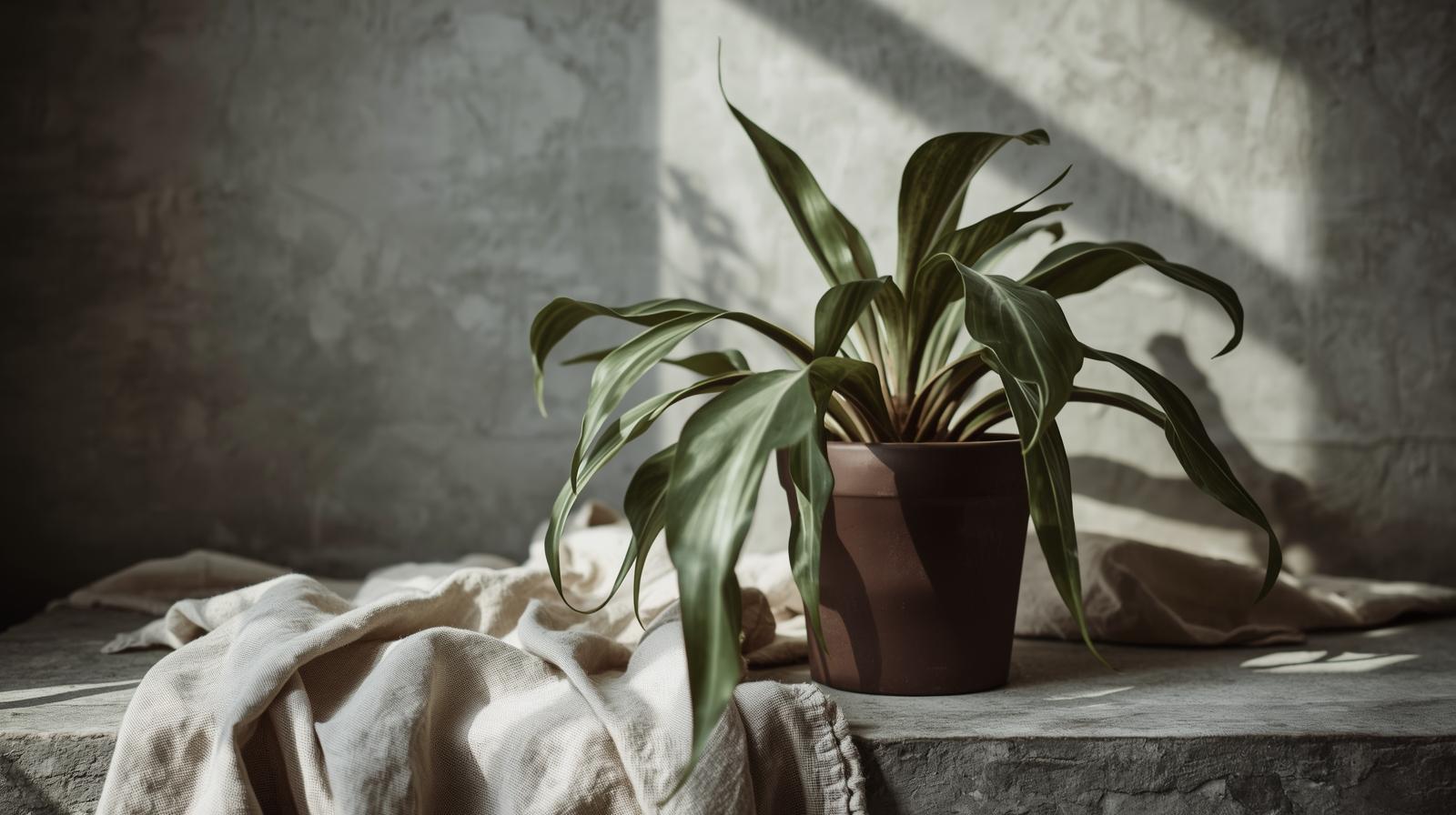
Some plants seem made for homes with soft paws and watchful eyes. They’re forgiving, resilient, and—most importantly—safe if tasted. The spider plant, for instance, trails playful “pups” that dangle like feather wands. Cats bat at them. You smile. No harm done. (And if you’ve ever wondered why this plant shows up in so many calm corners, our spider-plant-benefits guide unpacks its quiet magic.)
Then there’s the calathea—its leaves rise and fall with the day like slow breaths. It asks for humidity and indirect light, nothing more. If you’ve ever watched its rhythmic unfurling and felt your shoulders drop, you’ll want to keep it thriving. Start with our calathea-care-guide to honor its gentle rhythm.
Other allies: the Boston fern (lush, feathery, and entirely non-toxic), the parlor palm (a slow grower with soft fronds), and peperomia (small, sturdy, and often ignored by nibblers). Each has a temperament. Learn it. Match it to your light, your routine, your cat’s habits.
The Spider Plant: A Feline Favorite with Benefits
Hang one near a sunny window and watch your cat track its moving babies. The slight sway mimics prey—enough to entertain, not enough to encourage destructive chewing. Keep it in a woven hanger just out of jumping reach, or place it on a high shelf where your cat can observe but not pounce.
It thrives on neglect, really. Water when the soil feels dry an inch down—like checking the warmth of a sleeping cat’s ear. Too much, and the tips brown. Too little, and it sighs. But it rarely holds a grudge.
The Quiet Thirst: Watering Without Worry
Cats love puddles. Not good ones. Always empty saucers after watering—stagnant water is a hazard for curious kittens and a breeding ground for fungus gnats. Use ceramic or terracotta pots; they breathe better, and their weight keeps them from tipping when a cat leans in for a sniff.
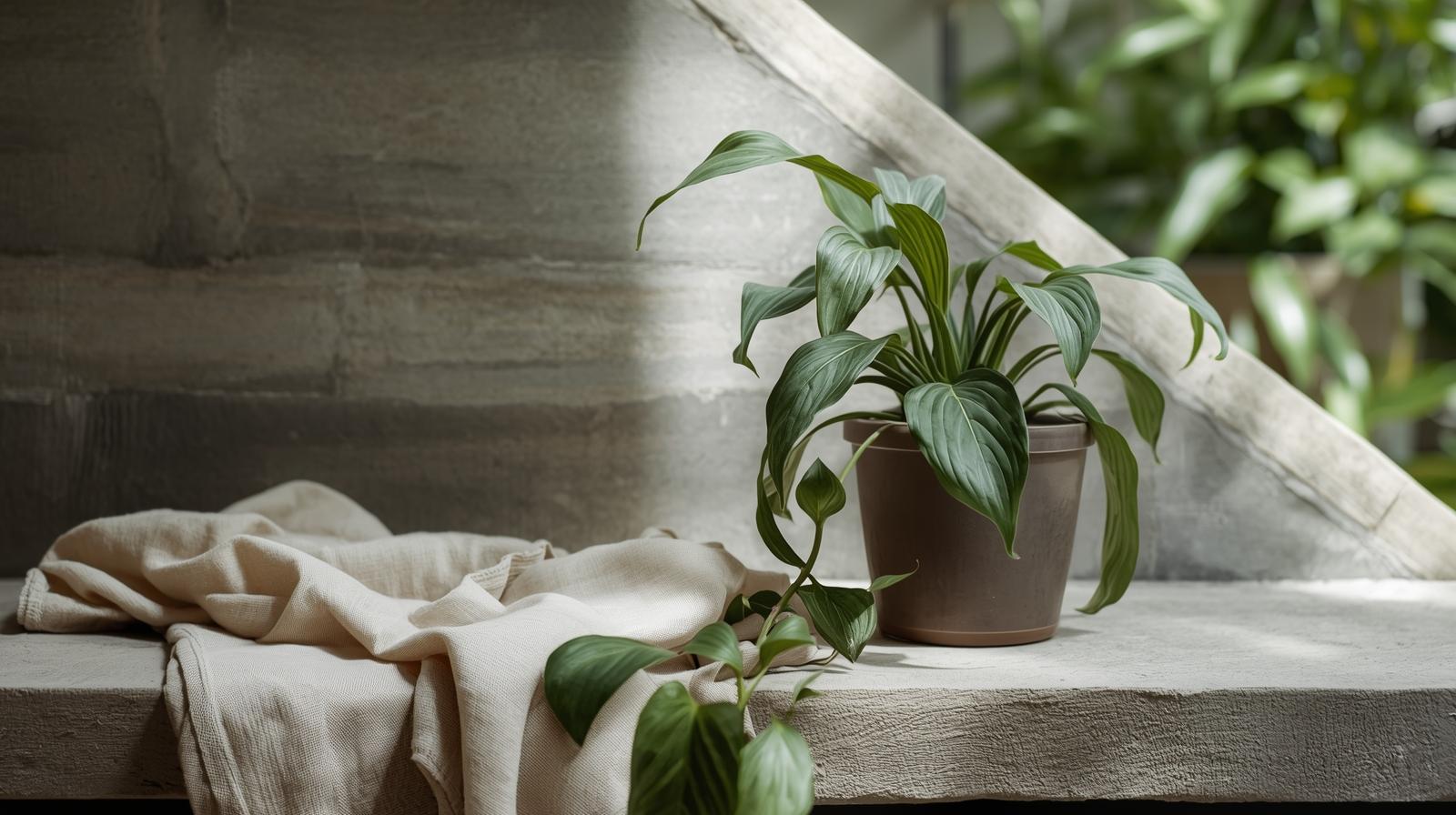
For humidity-lovers like ferns, the bathroom is a natural sanctuary. Steam from your shower mimics a forest floor. Your Boston fern uncurls with gratitude. And since most cats avoid the bathroom unless invited, it’s a peaceful retreat for both plant and pet. (For more on placing greenery in steamy spaces, see our notes on ferns-for-bathrooms.)
When you water, use room-temperature water—cold shocks the roots. Pour slowly, like you’re filling a teacup for someone you love.
Designing a Sanctuary That Breathes—For Two Species
A calm home isn’t crowded. It’s curated. Leave space between pots. Let light pool on the floor where your cat can nap. Arrange plants at different heights—not just for visual interest, but to create zones: lookout perches, hidden nooks, open clearings.
Wall-mounted planters keep trailing vines out of reach while still softening the room. A tall parlor palm in the corner becomes a living screen—your cat can weave around its trunk like it’s part of the furniture. Because it is.
Notice how your cat moves through the room. Does it pause near the calathea at dusk? Circle the spider plant at dawn? These are quiet conversations. Listen.
“To live with green things is to practice patience in real time. They do not rush. Neither should we.” — Anonymous
What to Do When Curiosity Crosses the Line
Even with safe plants, overindulgence happens. If your cat nibbles and vomits once, it’s likely just an upset stomach. But if drooling, lethargy, or repeated vomiting follows—call your vet. Keep the ASPCA’s toxic plant list bookmarked. Better yet, print it. Tape it inside a kitchen cabinet.
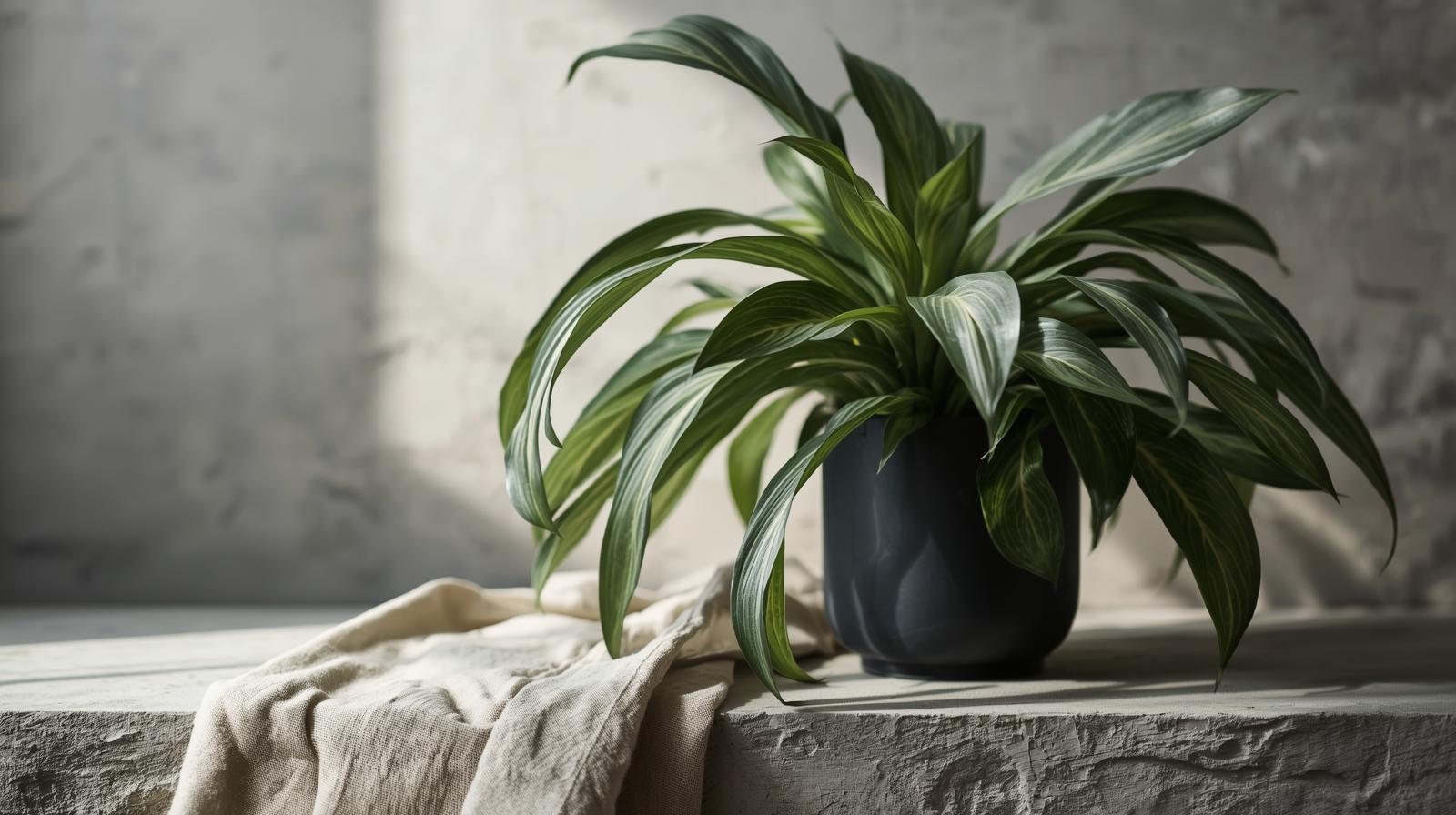
And double-check names. “Asparagus fern” isn’t a true fern—and it’s toxic. “Palm lily” isn’t a palm—and it’s dangerous. Common names lie. Latin names don’t.
Beyond Safety—Toward Symbiosis
Caring for plants in a home with cats isn’t about restriction. It’s about reciprocity. The morning ritual of misting your fern becomes a moment of stillness—for you, for your cat watching from the rug. Dusting leaves with a damp cloth is slow work, the kind that quiets the mind.
Your sanctuary grows not because you filled it, but because you listened. To the light. To the soil. To the soft thud of paws circling a pot that smells like safety.
That’s the real promise of a pet-safe garden: not just survival, but coexistence. Rooted, together.
Common Questions
Are all ferns safe for cats?
Most true ferns—like Boston, maidenhair, and bird’s nest—are non-toxic. But avoid anything labeled “asparagus fern” or “fern palm”; those are imposters with toxic tendencies.
Can I grow cat grass alongside my houseplants?
Absolutely. Wheatgrass or oat grass gives your cat a sanctioned snack, which may reduce interest in your ornamentals. Place it in a low, stable pot—cats like to eat while standing, not crouching.
What if my cat eats a “non-toxic” plant and gets sick?
Even safe plants can irritate sensitive stomachs. If symptoms last more than a few hours or include weakness or difficulty breathing, contact your vet immediately.
Are succulents safe?
Most aren’t. Aloe vera, jade plant, and kalanchoe are all toxic to cats. Stick to verified non-toxic lists—succulents rarely make the cut.