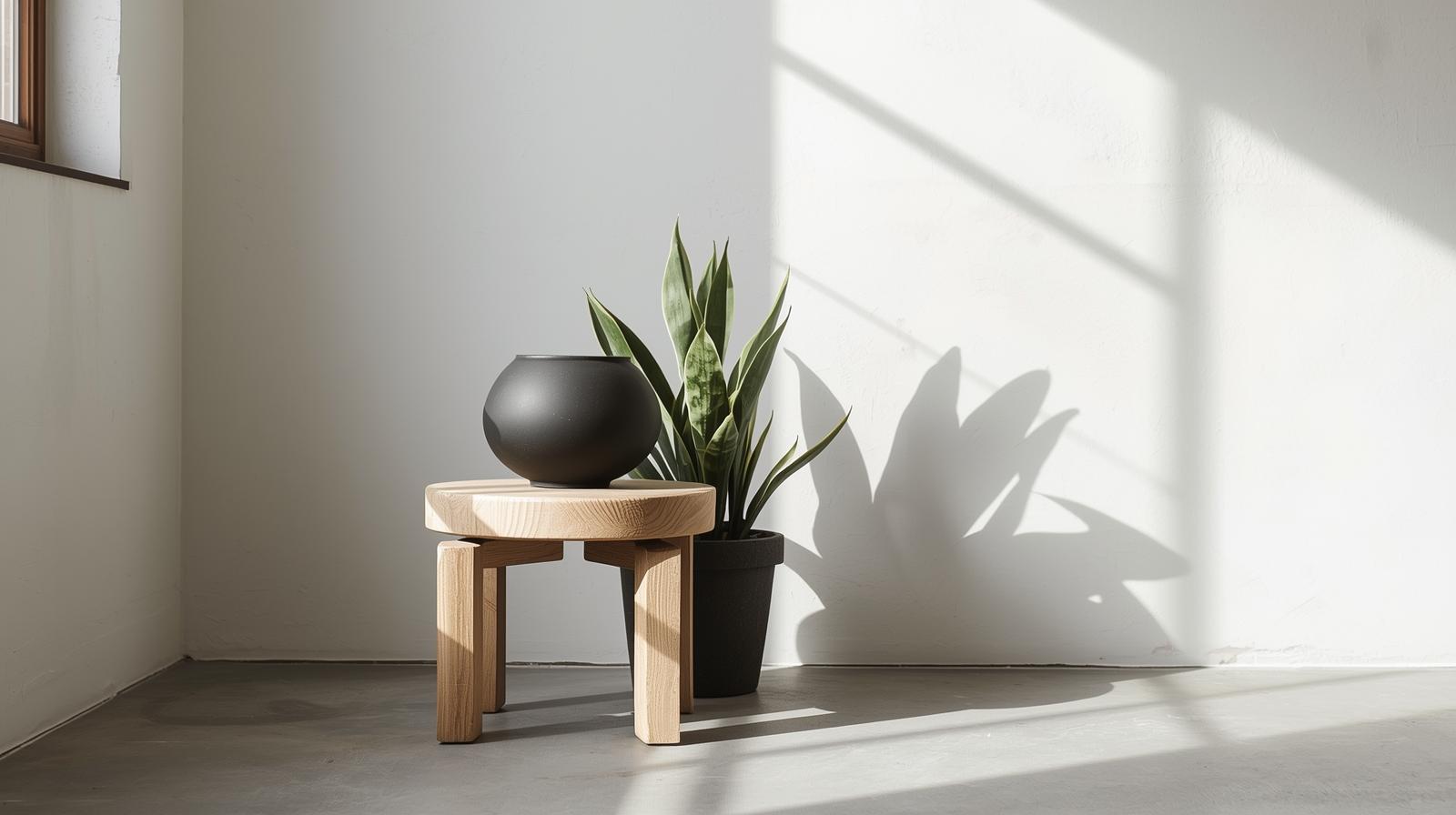
Morning light slants through the kitchen window, catching the rim of a chipped stoneware pot on the sill. Dust motes swirl above its uneven glaze—ochre fading into mossy green, worn smooth by years of fingertips brushing its curve. Inside, a single snake plant stretches upward, roots cradled in darkness, while the vessel itself seems to exhale a quiet history. It’s not just a container. It’s a companion in stillness.
The Vessel as Witness
A pot holds more than soil. It holds time. It holds the quiet hours you forget it’s there—and the moments you lean close, checking for new growth. A hand-thrown ceramic remembers your touch in a way plastic never can. Its slight irregularities aren’t flaws; they’re fingerprints of patience.
Run your palm over a pot before you bring it home. Does it feel cool and dense? Does its weight anchor your wrist? These details shape how you care for what lives inside.
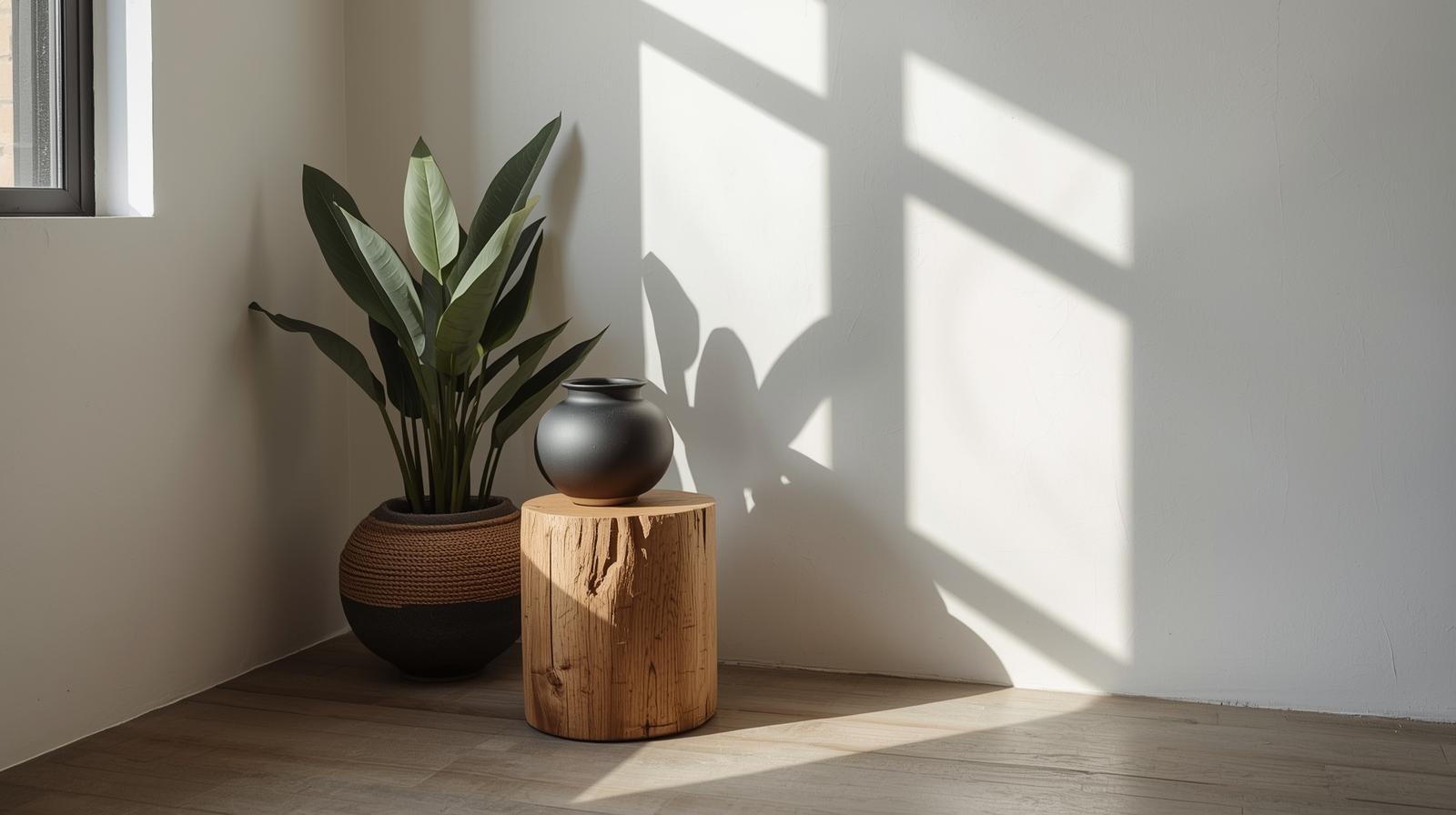
“A pot is not empty until it forgets the hands that shaped it.” — Anonymous Japanese potter
Why Imperfection Anchors Us
Wabi-sabi isn’t about buying “rustic” decor. It’s about releasing the illusion of control. A pot with a hairline crack, a glaze that pooled unevenly in the kiln, a rim just shy of perfect—these are invitations to soften.
Try this: place two pots side by side—one factory-smooth, one visibly handmade. Which one draws your breath deeper? Which one feels like it belongs in a room where you exhale fully?
Form Meets Function in Silent Dialogue
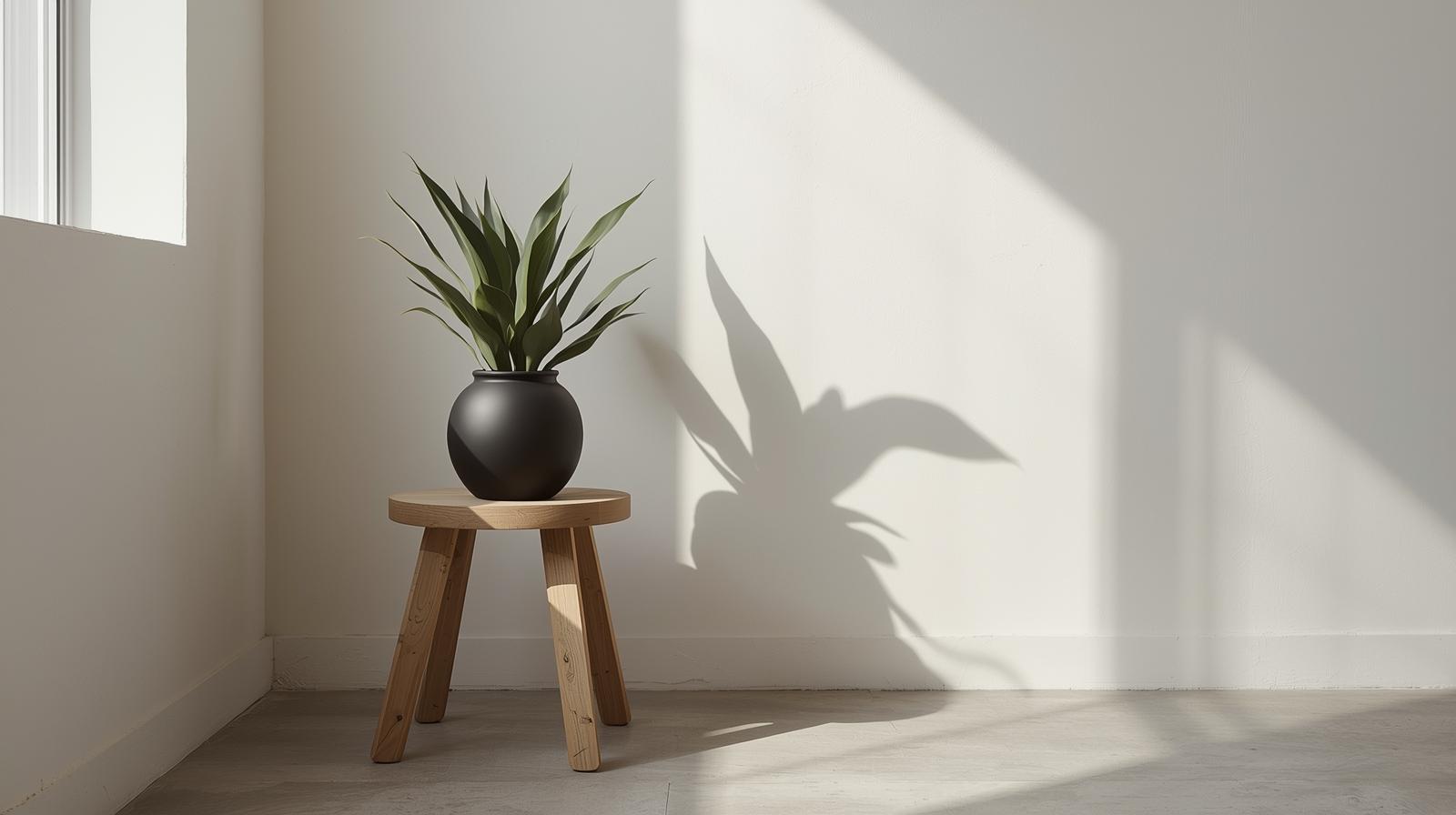
A trailing pothos needs room to spill over, so choose a wide, shallow vessel. An upright sansevieria prefers vertical intimacy—a taller pot with a narrower mouth keeps its roots snug and its posture proud. Proportion matters, but not in rigid rules. Think: give roots just enough space to stretch, not drown.
And never plant directly into a ceramic pot without drainage. It’s a slow suffocation disguised as beauty. If your favorite vessel lacks a hole, treat it as a cachepot—nest a nursery pot inside, and lift it out to water. (You’ll thank yourself during winter’s shorter days.)
For more on why that tiny hole matters more than you think, revisit our thoughts on drainage-importance.
Color, Glaze, and the Language of Light
Matte finishes drink light, softening harsh sun into something kinder. Glossy glazes throw it back—sometimes too sharply for a corner meant for reading or meditation. Hold a pot in your space at different times of day. Watch how morning light catches its shoulder, how dusk pools in its hollow.
North-facing rooms thrive with warm, earthy tones—burnt sienna, oat, charcoal with iron flecks. South windows can carry cooler hues: celadon, indigo, or even a quiet black that doesn’t absorb heat but frames green like a shadow.
Avoid matching your pot to your throw pillows. Instead, let it echo the grain of your wooden stool, the weave of your linen curtain, the quiet gray of river stones on your shelf.
The Hidden Weight of Choice
Heavy stoneware says: “I am here to stay.” It roots your plant—and your space—in permanence. Lightweight porcelain whispers: “I can move with you.” Consider your own rhythm. Are you nesting? Or still rearranging your life, season by season?
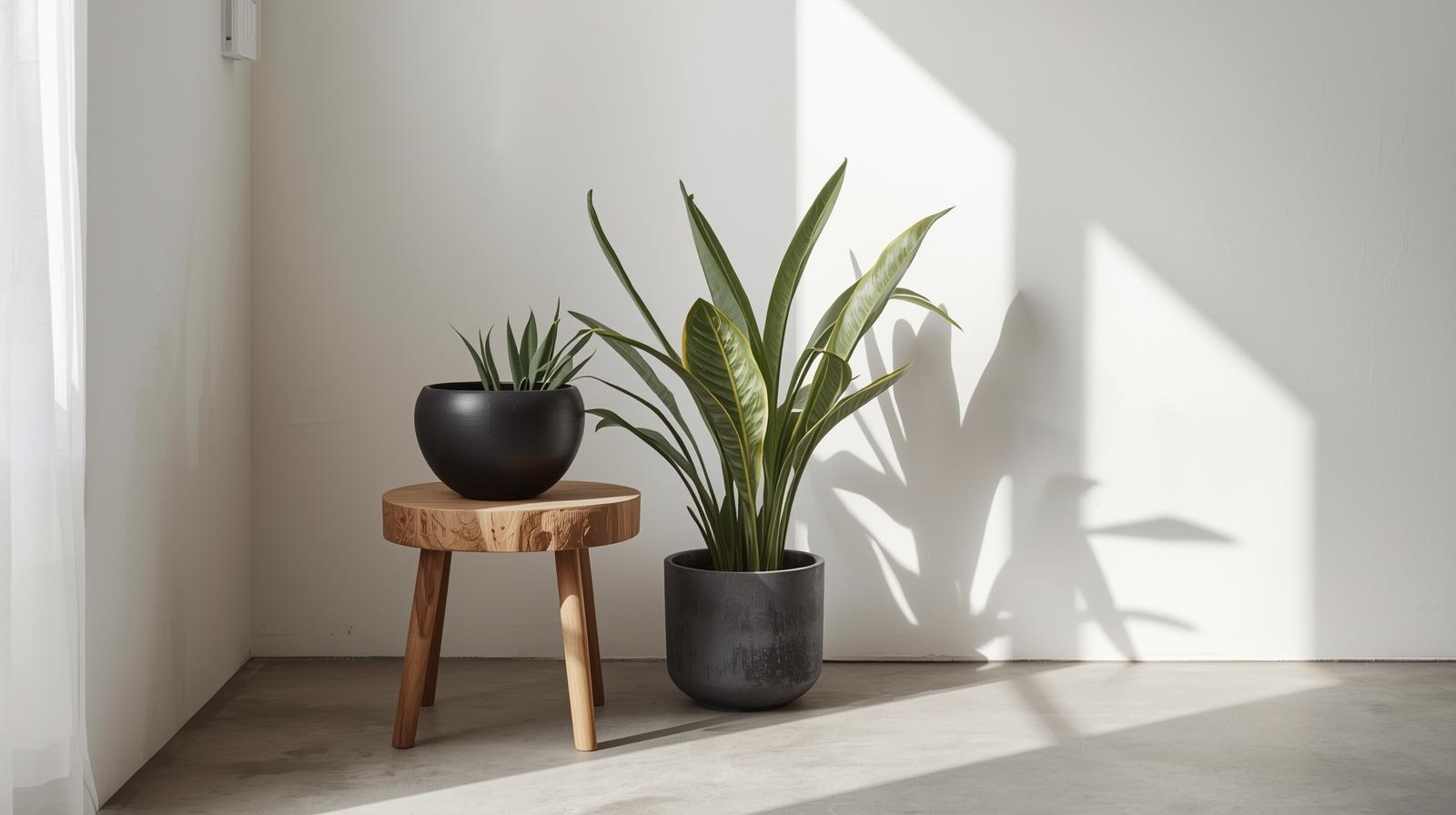
There’s no right answer. Only what feels true today.
Curating a Collection, Not a Catalog
Three identical white pots in a row feel like a showroom, not a sanctuary. They whisper uniformity, not calm. Instead, gather vessels with different voices—rough unglazed clay beside a smooth cobalt bowl, a short raku-fired cup next to a tall, slender vase.
Arrange them with space between. Let the air move. Let your eyes rest in the gaps. This is where stillness lives—not in the objects, but in what surrounds them. (For more on crafting these pauses, see our guide to designing-zen-corner.)
And leave one pot empty. Not as a placeholder—but as an offering to possibility. To silence. To the part of you that doesn’t need to fill every container.
Where the Pot Meets the Earth
The moment you slide a root ball from its nursery sleeve into a new ceramic home—that’s not just repotting. It’s a threshold. The plant crosses from commerce into care. You cross from observer into steward.
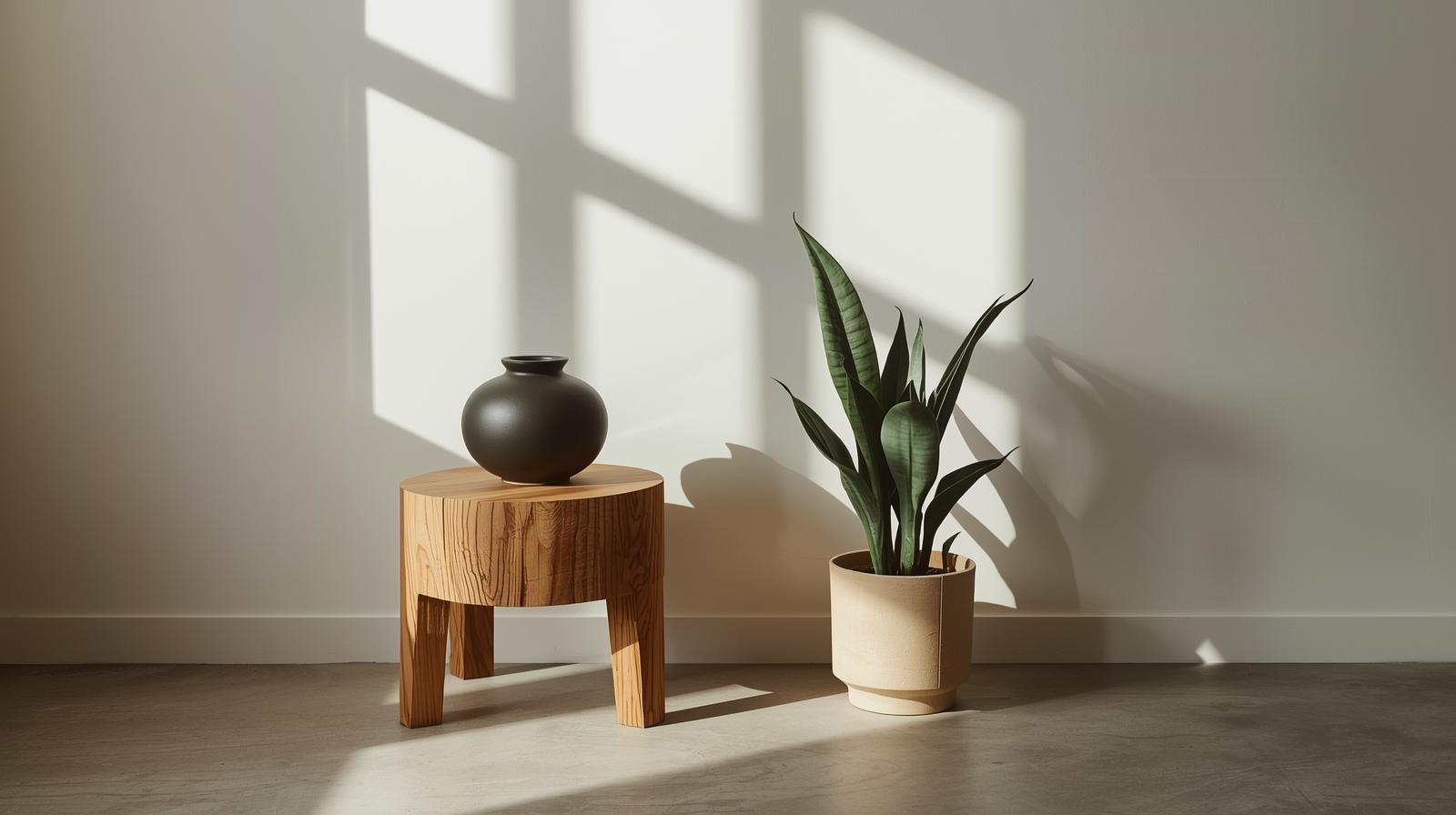
Feel the soil’s grit under your nails. Notice how the new pot smells—dusty, mineral, faintly of fire. This ritual isn’t about efficiency. It’s about presence. And the right vessel makes that presence easier to hold.
When you choose a pot that breathes, that honors drainage, that feels honest in your hands, you reduce the background hum of plant-parent anxiety. You’re not just styling—you’re grounding. Literally. (More on that quiet magic in grounding-with-soil.)
Common Questions
Can I use a ceramic pot without drainage holes?
Only as a cachepot. Keep your plant in its plastic nursery container, place it inside the decorative ceramic, and lift it out to water. Never plant directly—roots need to breathe, not sit in stagnant moisture.
How do I clean old ceramic pots without stripping their character?
Soak in a 1:1 vinegar-water solution for an hour. Scrub gently with a bamboo brush or old toothbrush. Avoid bleach—it kills beneficial microbes and bleaches the soul out of aged glaze. Patina is earned, not erased.
Are handmade pots worth the investment?
If you value breathability, longevity, and quiet companionship—yes. They age alongside your plants, developing a shared story. A hairline crack? A faded glaze? That’s not damage. That’s dialogue.
What if my pot cracks in winter?
Unglazed ceramics absorb moisture; freezing expands it. Store outdoor pots only if labeled frost-proof. And if it cracks—don’t discard it. Try kintsugi: mend it with food-safe epoxy mixed with a pinch of gold mica. Let the break become part of its beauty.