
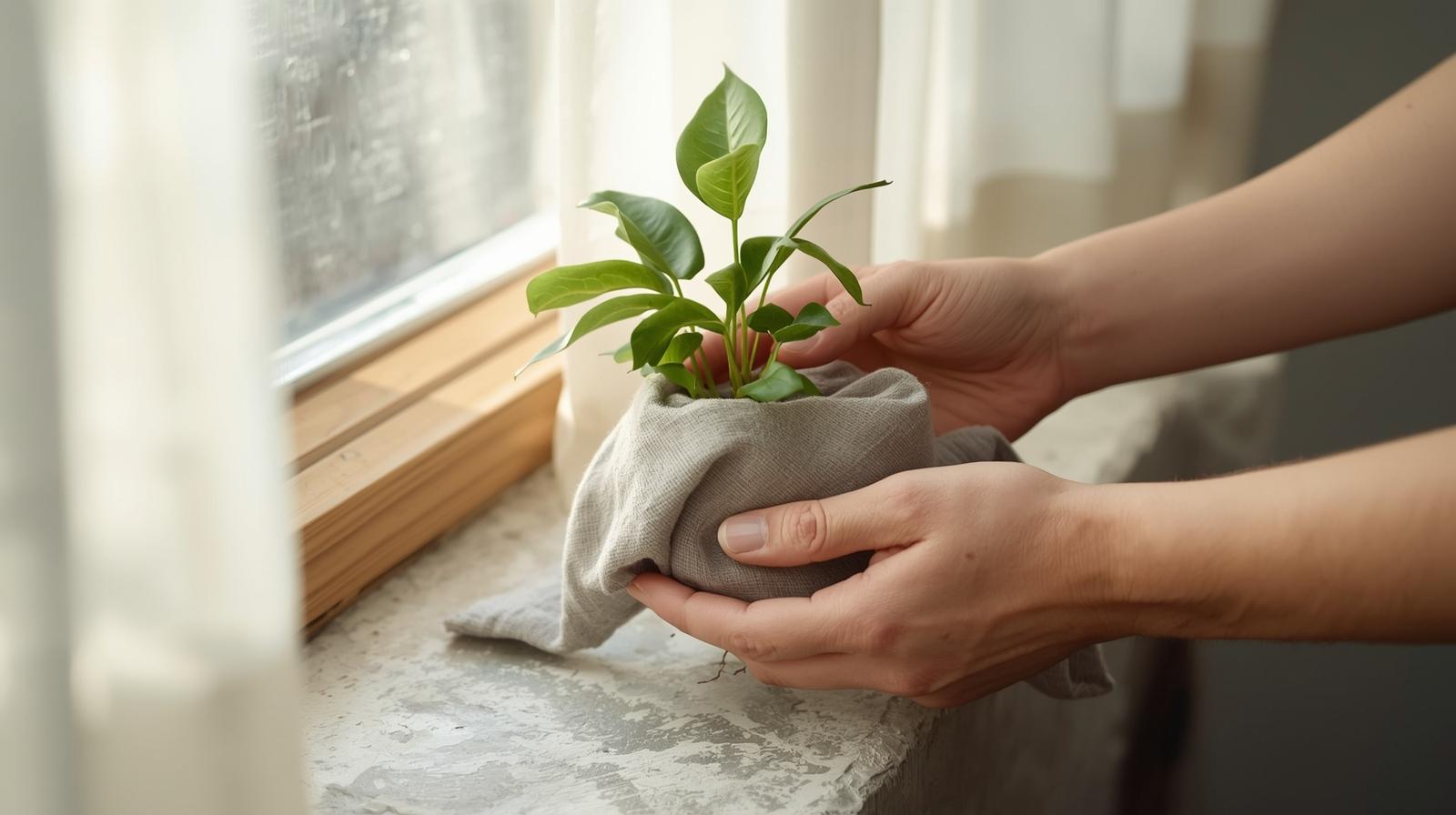
Late afternoon sun slants through the kitchen window, catching the faint mist rising from a glass jar on the sill. Inside, a single pothos cutting stretches tentative roots into the water, translucent and hopeful. On the counter beside it, a small paper envelope waits—labeled in looping script with a friend’s name, holding two spiderette pups wrapped in damp moss. In this quiet exchange of green life, something tender passes between people: not just a plant, but a shared breath, a silent “I see you.”
The Quiet Economy of Giving Green
There’s no receipt. No barcode. No return policy. When you hand someone a cutting, you enter a different kind of economy—one measured in attention, patience, and trust. It’s a transaction that unfolds over weeks, even years, as the plant grows and the memory of its origin lingers.
Preparing a cutting to give isn’t like wrapping a candle or picking out a mug. It asks you to slow down. To notice the firmness of a stem, the sheen on a leaf, the subtle nod where a new root might emerge. You’re not just sharing foliage—you’re offering a piece of your own rhythm of care.
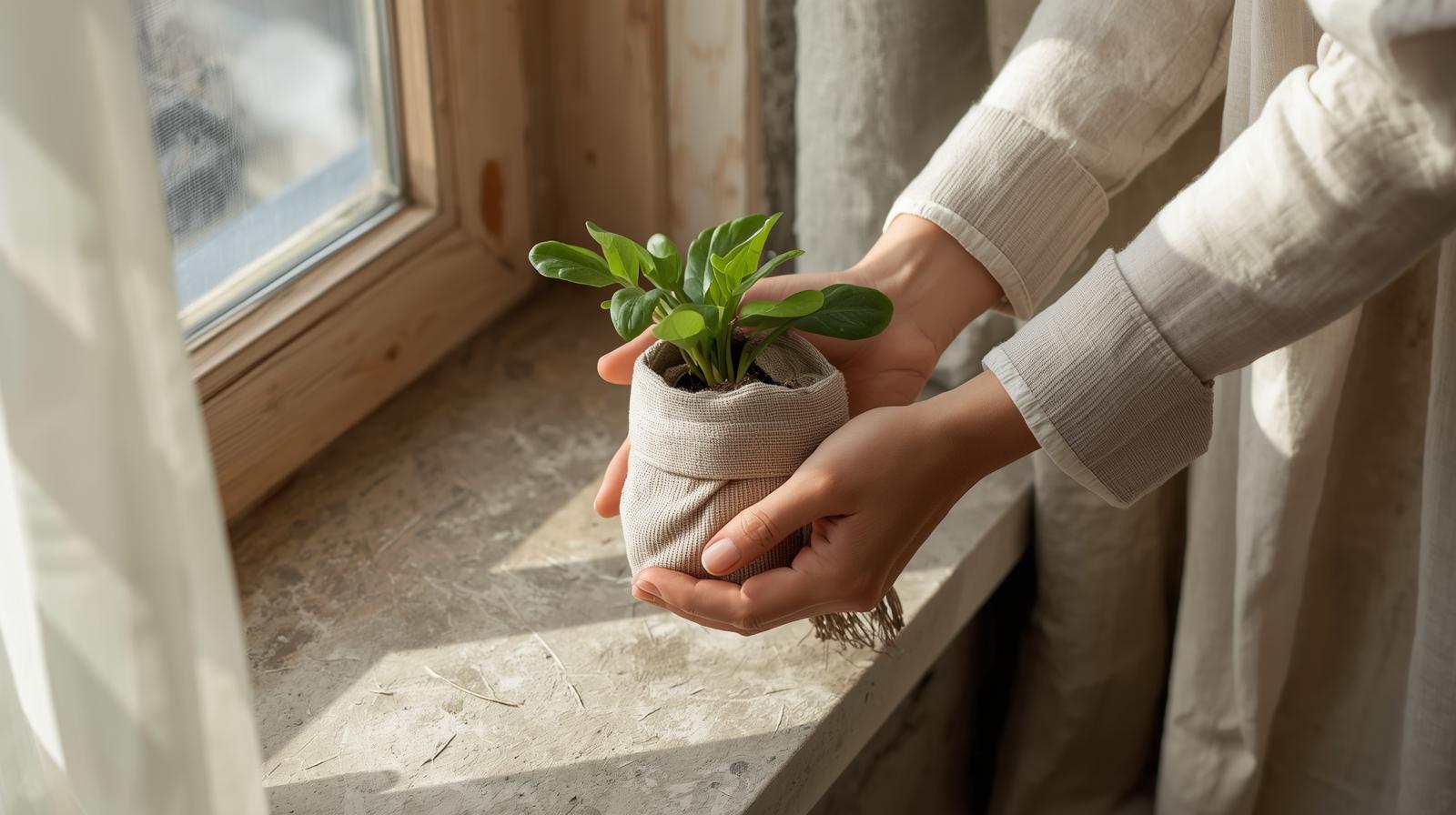
Start by choosing a healthy mother plant—look for vibrant color, steady growth, and no signs of pests. The best candidates are often the ones that have quietly thrived in your space, asking for little and giving back in presence. A pothos, for instance, is generous almost to a fault; it will offer you cuttings like a friend lending you a sweater they know you’ll love.
“To give a plant is to give time—your time in tending it, and the receiver’s time in watching it grow.” — Anonymous gardener, Kyoto
The Language of Leaves
Not all plants speak the same way. A spider plant spills over its pot like laughter—prolific, resilient, impossible to silence. It says, “You’ll be okay. You’ll grow back.” A succulent, on the other hand, holds its water close, offering quiet companionship without demand. It whispers, “I’m here, even when you forget.”
Think about the story you want to send along with your gift. Maybe it’s the spiderette that rooted while you were healing from heartbreak. Or the monstera leaf that unfurled its first split the week you started your new job. These aren’t just botanical details—they’re emotional landmarks.
When you pass a cutting on, include a note—not a care sheet, but a sentence. “This one survived my cross-country move.” Or, “It bloomed the summer we met.” Let the plant carry your voice long after you’ve said goodbye.
Preparing a Cutting with Intention
Wash your hands. Clean your shears with rubbing alcohol—not because you’re sterile, but because you’re honoring the life you’re about to divide. Choose a stem with at least two nodes (those little bumps where roots will sprout) and a few healthy leaves. Snip just below a node, at a slight angle. Feel the resistance—the clean break of something alive yielding gently.
Some plants root best in water. Others prefer damp sphagnum moss or soil. For beginners, water propagation offers a kind of meditation: you watch the roots lengthen, day by day, like slow-motion hope. If you’re giving the cutting right away, consider placing it in one of our water-propagation vessels—simple glass forms that hold both plant and intention without fuss.
Let the cut end callus for an hour if it’s a succulent or rubber plant. For pothos or philodendron? Straight into water is fine. There’s no single right way—only the way that feels attentive in the moment.
Packaging as Presence
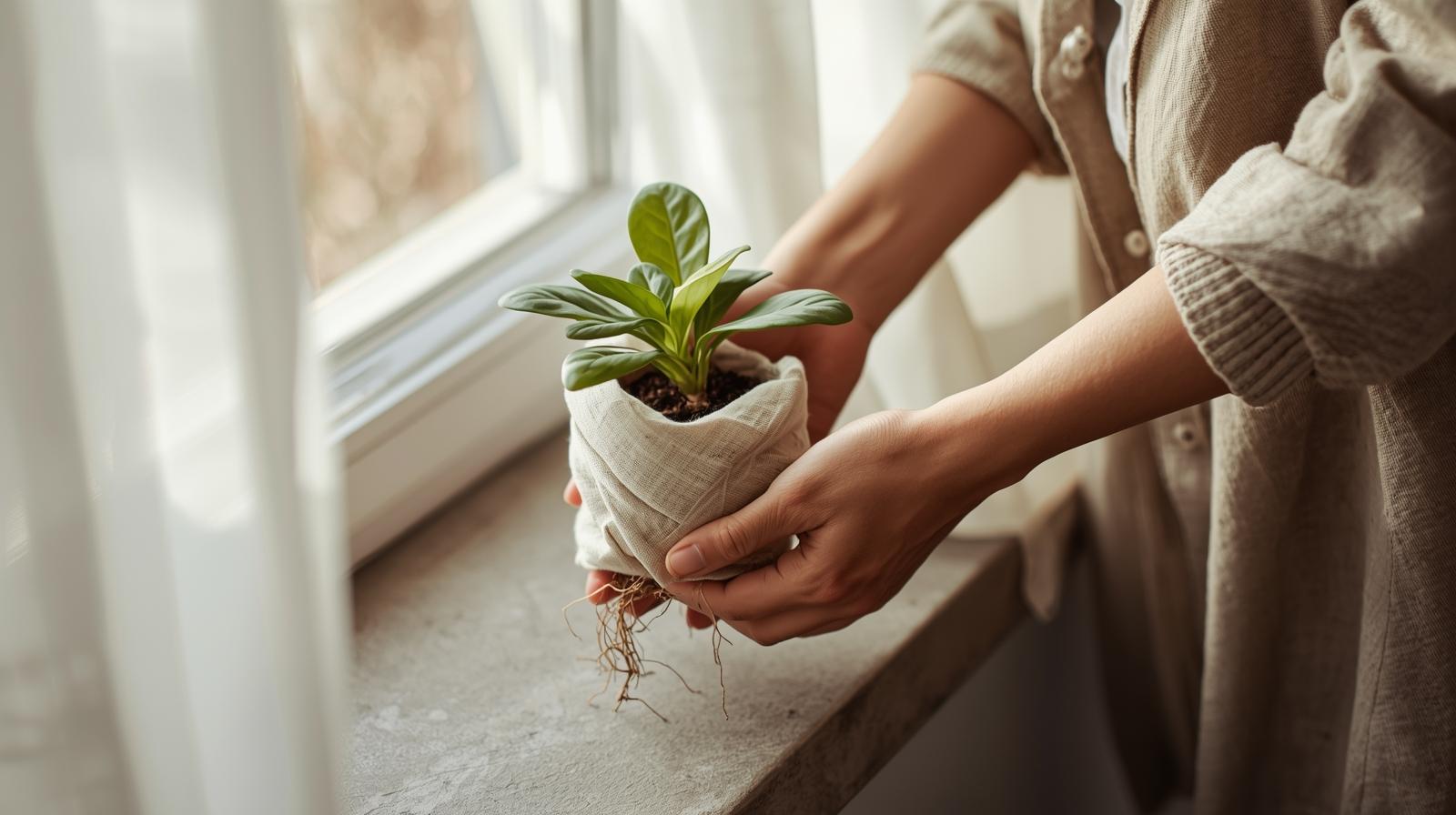
A cutting wrapped in a plastic bag feels like an afterthought. Try something that breathes: a cone of kraft paper, a small linen pouch, or a repurposed ceramic pot lined with moss. The container should feel like an extension of your care—not just protection, but poetry.
If you’re using a vessel, choose one that reflects the plant’s spirit. Clear glass for clarity and observation. Unglazed clay for grounding. A woven fiber sleeve for connection to earth and hand. And always—always—include a tiny tag with a few words: “Bright, indirect light,” or “Water when the soil feels like a wrung-out sponge.” Not rules. Invitations.
The Threshold Moment—Handing Over Life
There’s a quiet vulnerability in giving something alive. You wonder: Will they remember to water it? Will it survive the bus ride home? Will they even notice how the new leaves tilt toward the window?
But that uncertainty is the point. You’re not handing over a finished object. You’re offering a beginning. A possibility. And in doing so, you acknowledge that you trust them—with your plant, yes, but also with your gesture of care.
I once gave a friend a struggling ZZ plant cutting after her divorce. Months later, she texted a photo: glossy new shoots rising from the soil. “It’s breathing again,” she wrote. Neither of us mentioned the obvious parallel.
When the Gift Comes Back to You
Plant gifting is never a straight line. It spirals. You give a spiderette to a coworker. She nurtures it, divides it, and brings you back two babies six months later. Someone at the community garden gives you a scented geranium. You propagate it, and tuck a rooted stem into your sister’s suitcase when she visits.
This is how green networks grow—not through algorithms, but through hands. Through shared windowsills and porch conversations. Through the quiet pride of saying, “Oh, that one came from Maya’s plant—you remember, the one with the curly leaves?”
Keep a small journal. Not for data, but for memory. Note who you gave what to, and what came back. Over time, you’ll see your own community mapped in leaves and roots.
Troubleshooting with Tenderness
Sometimes, the cutting doesn’t make it. The leaves yellow. The stem turns mushy. The roots never come.
That’s okay. Really.
Plants die. People get busy. Sunlight shifts with the seasons. A failed cutting isn’t a rejection—it’s a shared human moment. Laugh about it. “We both overwater like it’s a love language,” you might say.
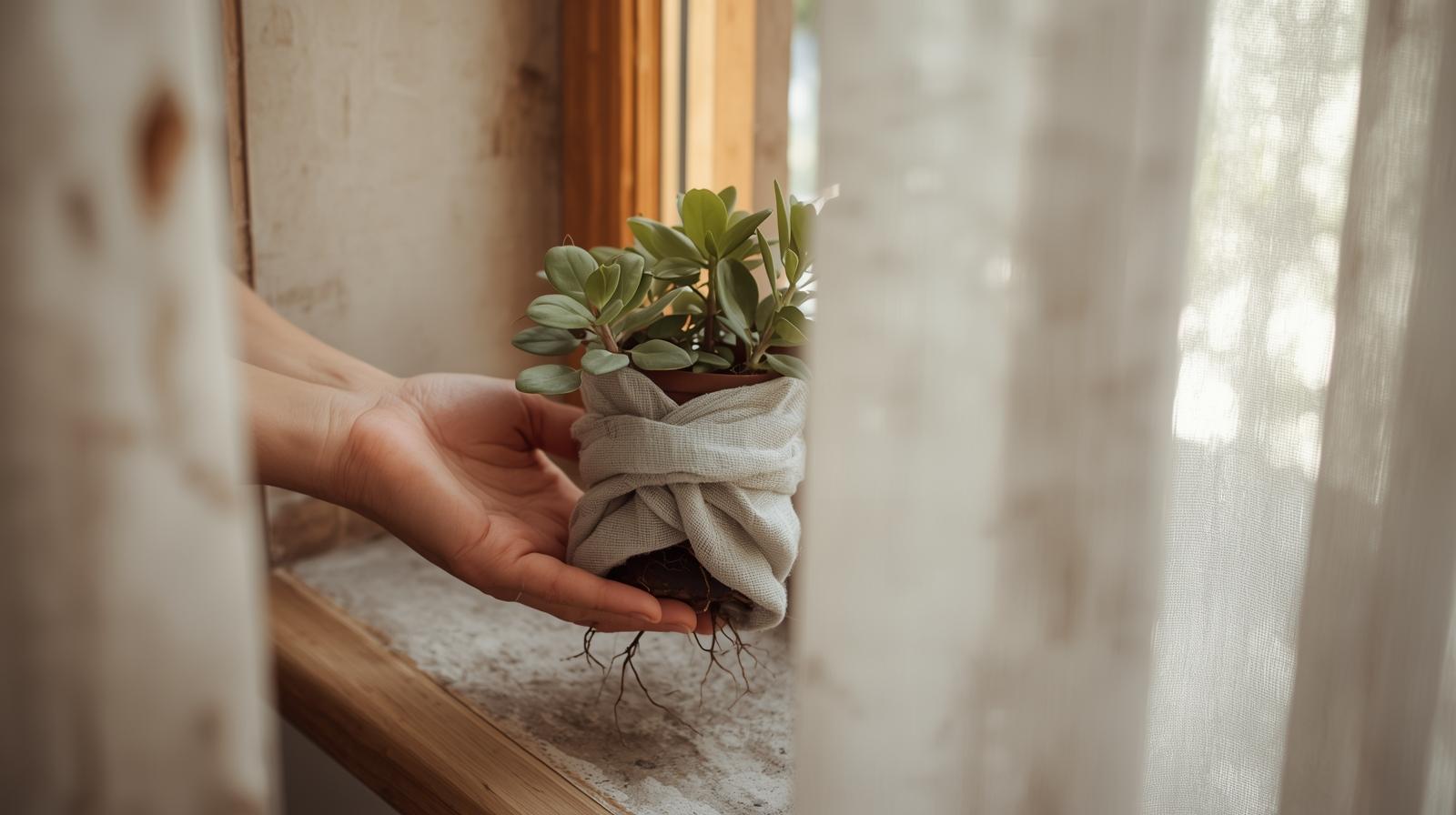
If roots aren’t forming after six weeks, try moving the jar to a brighter spot—but not direct sun. Change the water every few days; stale water smells faintly sour, like forgotten tea. If mold appears on soil, gently scrape it off and let the surface dry. These aren’t emergencies. They’re adjustments, like learning a friend’s moods.
Remember: roots grow in darkness. So do friendships. So do second chances.
Cultivating Connection, One Leaf at a Time
Imagine a neighborhood where every balcony holds a plant passed from hand to hand. Where the same pothos lineage winds through three apartment buildings. Where a child learns to water not because it’s a chore, but because “this came from Ms. Rivera downstairs, and she said it likes singing.”
In a world that moves too fast, sharing cuttings is a quiet rebellion. It says: I believe in slow growth. I trust you with something fragile. I’m thinking of you, even when we don’t talk.
This week, choose one plant in your home. Take a cutting. Wrap it with care. Give it to someone—not for likes, not for thanks, but because life wants to be shared.
You are not just giving a plant. You are offering a companion for their solitude.