
Steam curls from a chipped ceramic cup, catching the low afternoon sun like a wisp of memory. The scent—earthy chamomile, a whisper of lemon balm—mingles with the damp soil of the jade plant on the sill. Outside, rain taps softly on the roof, but here, in this quiet corner, time slows to the rhythm of a single leaf unfurling and the gentle sip of warmth between your palms.
The Quiet Thirst: When Plants and People Both Need Tending
You’ve felt it—that dryness behind the eyes, the tightness in your chest that no screen scroll can soothe. Your monstera feels it too. Its leaves droop not from neglect, but from the same quiet dehydration we all carry when life moves too fast.
Watering isn’t just about moisture. It’s about presence. Press your finger two knuckles deep into the soil. Is it cool and crumbly, or bone-dry and pulling away from the pot’s edge? That’s your cue. Just as your body asks for water long before thirst screams, your plants signal in subtleties—a slight wilt, a dull sheen.
Make your tea first. Let the kettle sing. While it steeps, walk barefoot to your plants. Touch their leaves. Breathe with them. This isn’t choreography. It’s communion.
“To water a plant is to whisper to it in a language older than words.” — Robin Wall Kimmerer
The Art of Timing
Plants breathe in rhythms we’ve long forgotten. Their stomata—the tiny pores on leaves—open wide in morning light, hungry for carbon dioxide. That’s when they’re most receptive to water, to care, to your quiet attention.
So sip your peppermint tea as sun spills across the windowsill. Watch your spider plant stretch toward it, new babies dangling like hopeful promises. Come evening, switch to ashwagandha—earthy, grounding—and run your fingers along the thick, waxy leaves of your snake plant. Both thrive in low light, both offer resilience without demand.
Overwatering comes from love, yes—but also from haste. We flood the roots because we want to fix, to soothe, to do something. But plants, like people, heal in stillness. Let the soil dry. Let yourself pause. Not always action. Sometimes just witness.
Leaves That Brew and Breathe
Not all companions live on four legs or speak in words. Some offer their leaves to your cup and their presence to your room—quiet, generous, green.
Mint is the easiest friend. It grows leggy if ignored, but forgives with explosive new shoots when you finally trim it back. Snip just above a pair of leaves, and it will branch in gratitude. Steep those clippings in hot (not boiling) water for a tea that clears the mind like a cool breeze through an open window.
Lemon balm—soft, scalloped leaves that release a citrus-honey scent when brushed—thrives on neglect. Keep it in bright indirect light, let the soil dry slightly between waterings, and it will reward you with calming infusions that ease the day’s sharp edges. (It’s also excellent in a scent-and-memory ritual—the aroma alone can transport you to a sunlit garden from childhood.)
Chamomile, though trickier indoors, offers daisy-like flowers that soothe nerves when steeped. And tulsi—holy basil—grows as a compact, aromatic shrub on a sunny sill. It asks for warmth and consistent moisture, and in return, offers adaptogenic tea that steadies the pulse during turbulent days.
Growing Your Own Apothecary
Start small. A single pot of mint on the kitchen windowsill. Use terracotta—it breathes, just like you need to. Fill it with well-draining soil, gritty enough that water doesn’t pool at the bottom.
If your mint stretches toward the light, pale and sparse, don’t scold it. Move it closer to the window. Rotate the pot weekly so it grows evenly—like turning your face toward kindness.
Harvest in the morning, when essential oils are most concentrated. Never take more than a third of the plant at once. This isn’t extraction. It’s reciprocity.
And when you brush against the leaves, listen. That soft rustle? That’s the sound of sanctuary being built, one leaf at a time.
The Ritual of Steeping as Stillness
Boiling water. Measure the leaves—not with a scale, but with your eyes. A palmful. Watch as they sink, then bloom open like sleeping creatures waking.
This is where the magic lives—not in the caffeine, not in the antioxidants, but in the pause. The five minutes you stand still, watching color bleed from dry herb into water. The steam rising, warming your cheeks.
Do the same with your plants. Deadhead a spent bloom not because it’s “supposed to be done,” but because you notice it. Because you care. In our morning plant routine, we don’t rush. We greet each one by name (even if only in our heads).
A quick cuppa is fuel. A slow steep is medicine. And your peaceable corner of green? That’s not decor. It’s your co-conspirator in calm.
When the Leaves Fall: Lessons in Letting Go
Yellow leaves. Brown tips. A basil plant that bolts overnight, sending up a flower stalk like a final sigh.
This isn’t failure. It’s life.
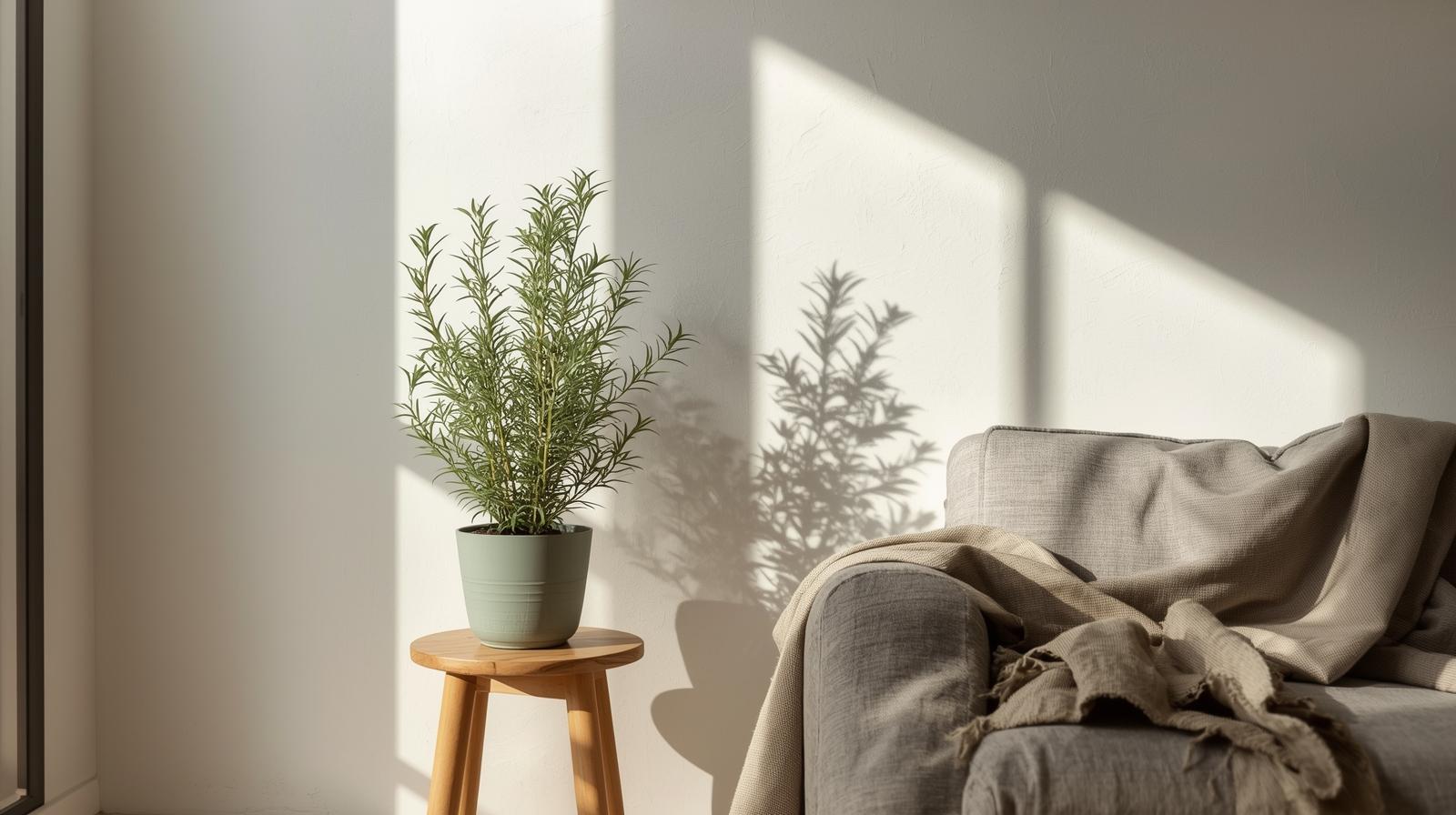
Plants shed what no longer serves them. They conserve energy. They prepare for what’s next. We could learn from that. Instead of panicking at a fallen leaf, compost it. Let it return to earth while you sip ginger-turmeric tea—warming, anti-inflammatory, kind.
Wilt isn’t always a cry for help. Sometimes it’s just rest. Like you after a long week. Like your fiddle leaf fig after a move. Give space. Give time. Growth isn’t always upward—it’s often inward, unseen, gathering strength.
And remember: even the most resilient plants have seasons of retreat. Your ZZ plant might look unbothered, but it, too, breathes in cycles. (Its quiet endurance is why it’s perfect for beginners learning how to grow indoor herbs without overwhelm.)
Common Questions
Can I use store-bought herbal tea to water my plants?
No—tannins, flavorings, and even natural oils in brewed tea can disrupt soil pH or encourage mold. Stick to plain water for your plants. Save the infusion for your own cup.
Which indoor herbs are easiest for beginners who also want tea?
Mint and lemon balm. Both tolerate imperfect light, bounce back from over- or under-watering, and release calming aromas just by existing near you. Start there.
How often should I “pair” tea time with plant care?
Once a week is enough to build a ritual. Consistency matters more than frequency. Light a candle, brew your blend, and spend ten minutes with your green ones—no agenda, just attention.
Is there a tea that helps with plant-care anxiety?
Tulsi (holy basil) is your ally. It lowers cortisol and grows beautifully on a sunny windowsill. Sip it while tending your other basil plants—same family, same quiet strength. You’re not just caring for plants. You’re practicing trust.