
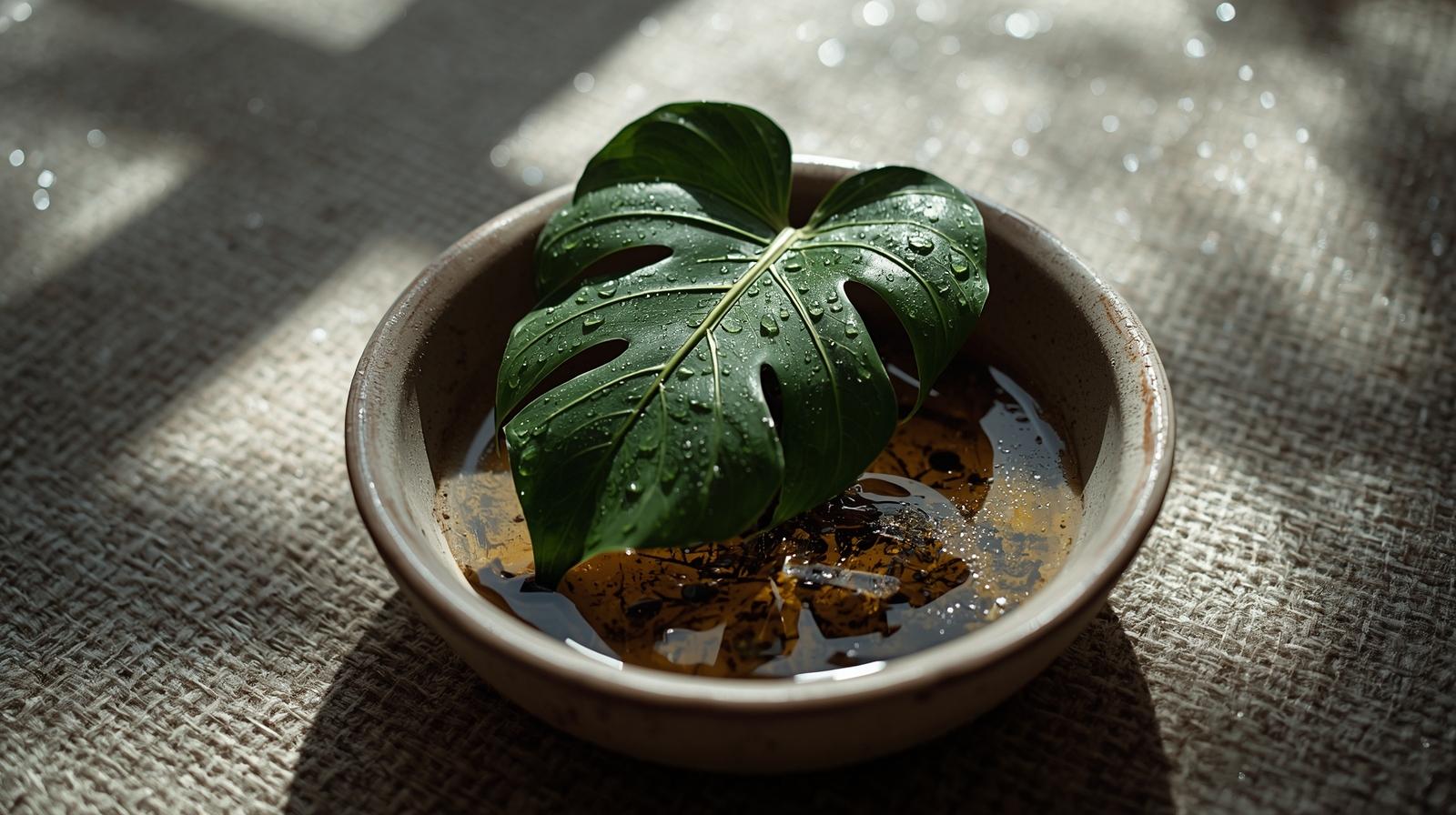
Time doesn’t rush for roots. In a sunlit corner, a single stem suspended in water holds its breath—then, slowly, decides to reach. There’s no fanfare, no announcement. Just a quiet unraveling beneath the surface, where clarity meets patience. To watch this is not passive waiting; it’s participation in a silent pact between human and plant, glass and gravity, intention and stillness.
The Alchemy of Stillness
Water propagation begins not with scissors or jars, but with a shift in pace. You’re not just making more plants—you’re slowing down enough to witness life begin again. Choose a morning when the light slants gently through the window, and your pothos or monstera feels plump with hydration. Snip just below a node—the small, knobby bump on the stem where roots will emerge—and let the cut callus for an hour. This pause matters. It’s your first act of respect.
Fill a clean vessel with room-temperature water. Not too full—just enough to submerge the node, not the leaves. Place it where indirect sun pools on the floor for a few hours each day. Then, wait. Not anxiously. Not constantly checking. But with the kind of attention you’d give a sleeping friend: present, but not intrusive.
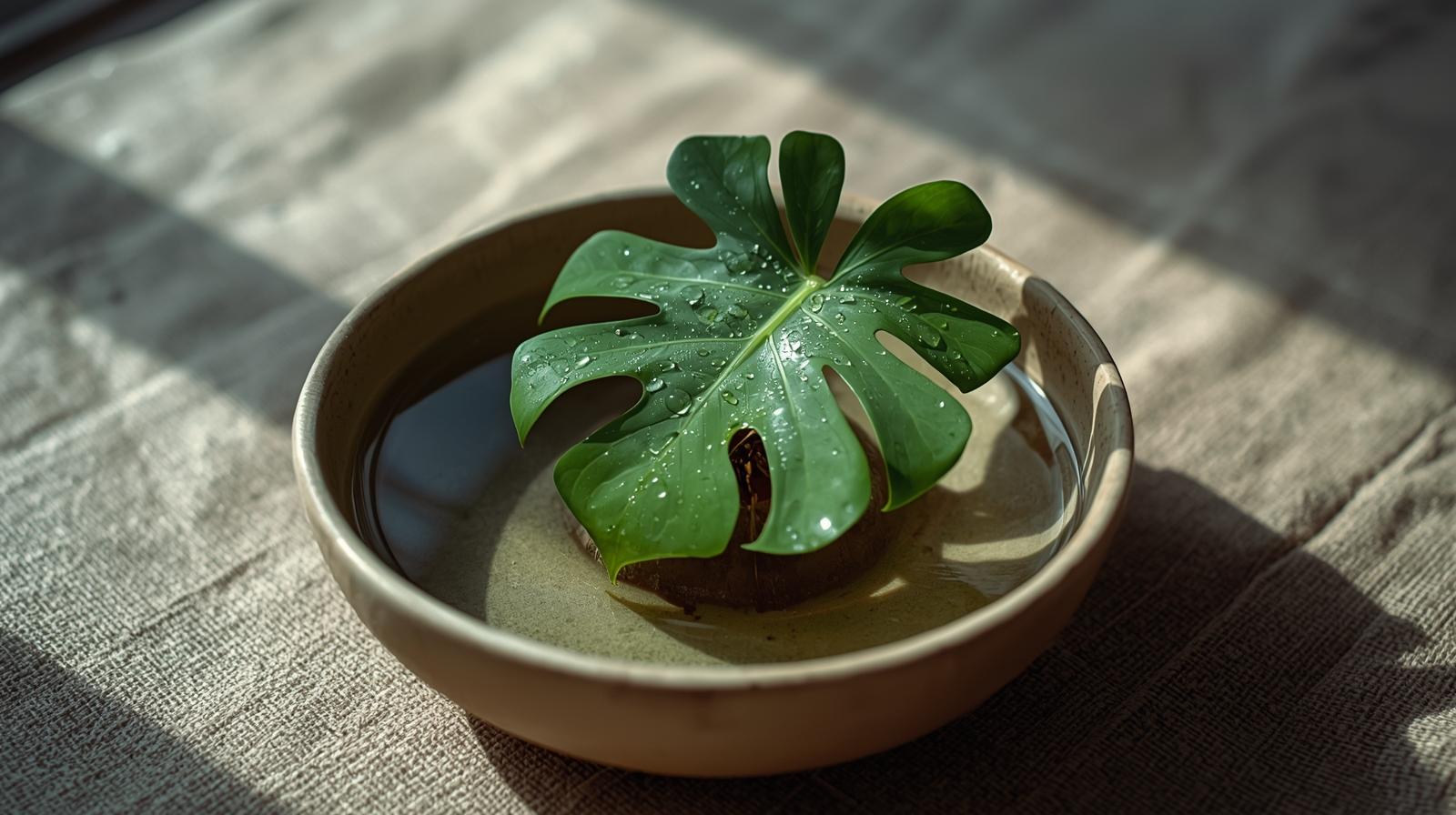
“To plant a garden is to believe in tomorrow.” — Audrey Hepburn
Why Glassware Is Your Witness
Clear glass isn’t just practical—it’s poetic. You see every shift: the first white nub, the curl of a root tip, the faint cloudiness that signals it’s time to refresh. A vintage apothecary jar, a slender test tube, even a repurposed olive oil bottle—each holds its own mood. Thin glass feels crisp in your palm; thick-walled vessels have a quiet heft, like holding a piece of stillness.
Avoid plastic. Not because it won’t work—but because you lose the ritual of seeing. And in this practice, seeing is part of tending. (Also, algae grows faster in plastic, and you won’t notice until it’s too late.)
The Language of Roots
Roots speak in textures. Healthy ones are firm, white or cream-colored, sometimes with a silvery sheen. They branch like delicate nerves. Brown, slimy roots? That’s decay—not failure. It means the water sat too long, or the cutting was submerged too deeply. Trim them back with clean scissors, rinse the stem under cool water, and start fresh. No shame in that.
Change the water every five to seven days. Not because the plant “needs” new minerals—tap water is fine—but because stagnant water breeds bacteria. Pour it out slowly. Watch the roots sway like sea grass. Refill gently so you don’t jostle the tender tips. This small act—pouring, watching, waiting—becomes a breath anchor in your week.
Not always growth. Sometimes, just care.
Patience as Practice
In winter, roots move like they’re dreaming. In spring, they stretch with urgency. Neither pace is wrong. Adjust your expectations with the seasons, not a calendar. If nothing happens in two weeks, don’t assume it’s dead. Some cuttings take six weeks to whisper back.
Try this: before you check your vessel, take three slow breaths. Let your shoulders drop. Then look—not to assess, but to witness. This is where propagation becomes meditation. You’re not growing a plant. You’re growing your capacity to wait.
From Water to World
When roots are three to five inches long, with fine side hairs branching off the main strands, they’re ready for soil. But they don’t *have* to leave. Some cuttings—like heartleaf philodendron or wandering jew—thrive indefinitely in water. Keep them there if you like. They become living sculptures, reminders that not everything needs to be transplanted to be whole.
If you do move to soil, choose a light, airy mix—peat, perlite, a touch of orchid bark. Moisten it first. Make a hole with your finger, place the roots gently inside, and cradle the soil around them like tucking in a child. Water lightly. Then leave it alone for a week. Let it adjust in silence.
Or, gift it. A rooted cutting in a hand-blown glass vessel is one of the most tender things you can offer—a gift of time, trust, and tenderness.
Plants That Whisper Back
Not all plants enjoy the liminal space between water and soil. But some revel in it. Pothos is the generous friend who roots in a week, sending out vines like cheerful invitations. Monstera is slower, more dramatic—its aerial roots curl with purpose, as if deciding whether you’re worthy of its grandeur. Philodendron echoes pothos in resilience but with softer leaves; Tradescantia surprises with purple stems and rapid growth.
Avoid succulents, cacti, or anything fuzzy-leaved (like African violets). They rot before they root. This isn’t a flaw—it’s a boundary. Respect it.
The right plant in the right vessel feels like a conversation. You listen. It responds.
Common Questions
How often should I change the water?
Every 5–7 days, or sooner if it looks cloudy. Use water that’s been left out overnight to let chlorine evaporate—it’s gentler on new roots.
Why are my roots turning brown or slimy?
Stagnant water or too much stem underwater. Trim the bad parts, rinse the cutting, and start fresh in a clean jar. It happens—even to seasoned growers.
Can I propagate in colored or opaque glass?
You can, but you’ll miss the quiet drama of root growth. And without sight, algae can take hold unseen. Clear glass is part of the ritual.
Do I need rooting hormone?
Rarely. Most common houseplants—pothos, monstera, philodendron—root beautifully on their own. Hormone speeds things up, but nature doesn’t need hurry.