
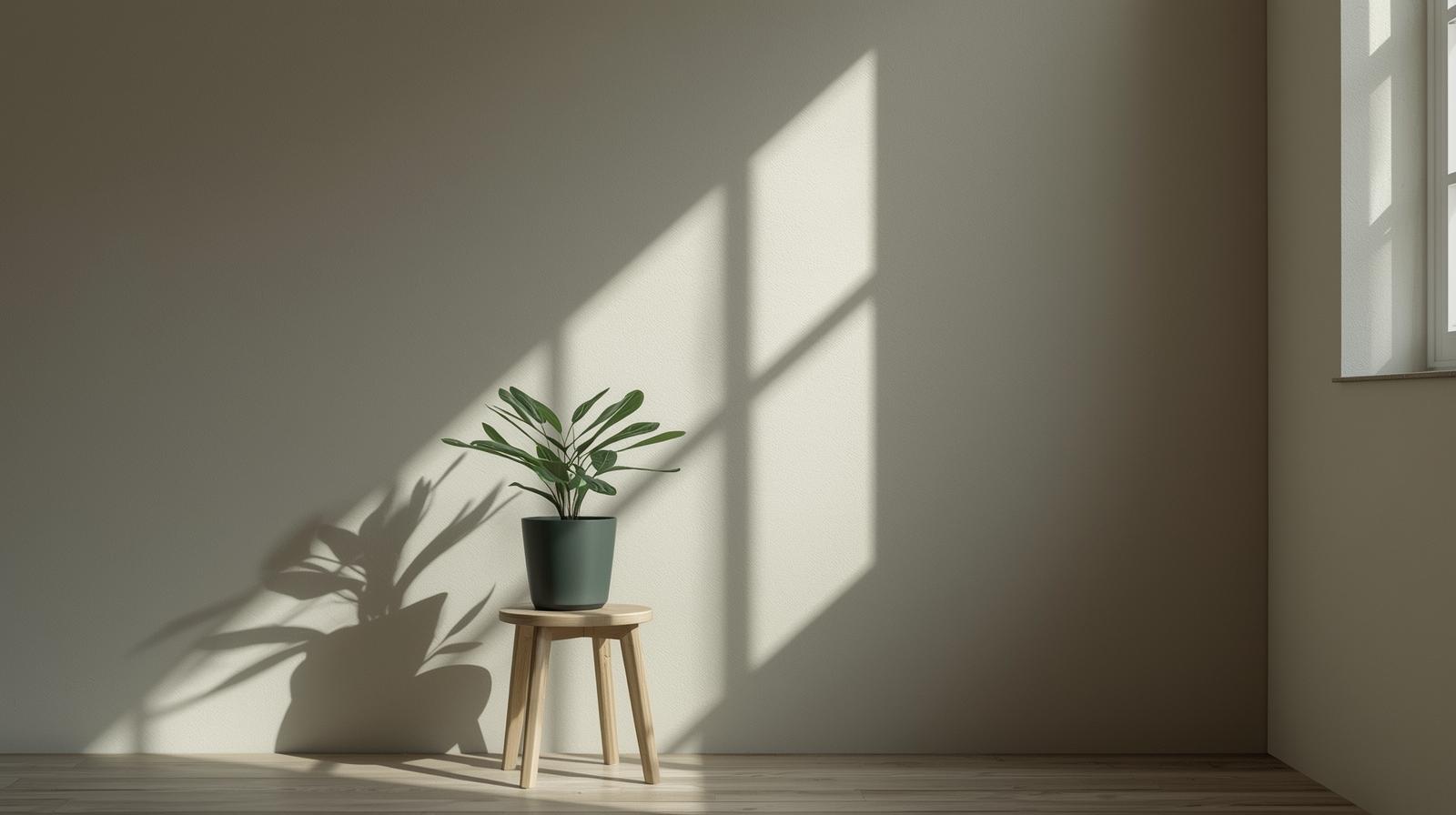
Morning light slants through the blinds, catching motes of dust above a fiddle-leaf fig. The air carries the faint mineral scent of damp soil—a quiet counterpoint to the hum of distant traffic. In this suspended moment, your shoulders drop an inch. Your breath slows. It’s not the forest, not the meadow—but it’s enough. Enough to remind your nervous system: you belong to something older, softer, and far more patient than your inbox.
The Quiet Thirst
We weren’t built for sealed rooms and synthetic surfaces. Our ancestors read weather in the tilt of leaves, tracked time by the sun’s arc across open sky. Now, we scroll under LED glare, our eyes straining against flat, unchanging planes. This isn’t just discomfort—it’s a quiet starvation.
Biophilia, a term popularized by biologist E.O. Wilson, names this pull: the innate human need to affiliate with other forms of life. It’s not decorative. It’s biological.
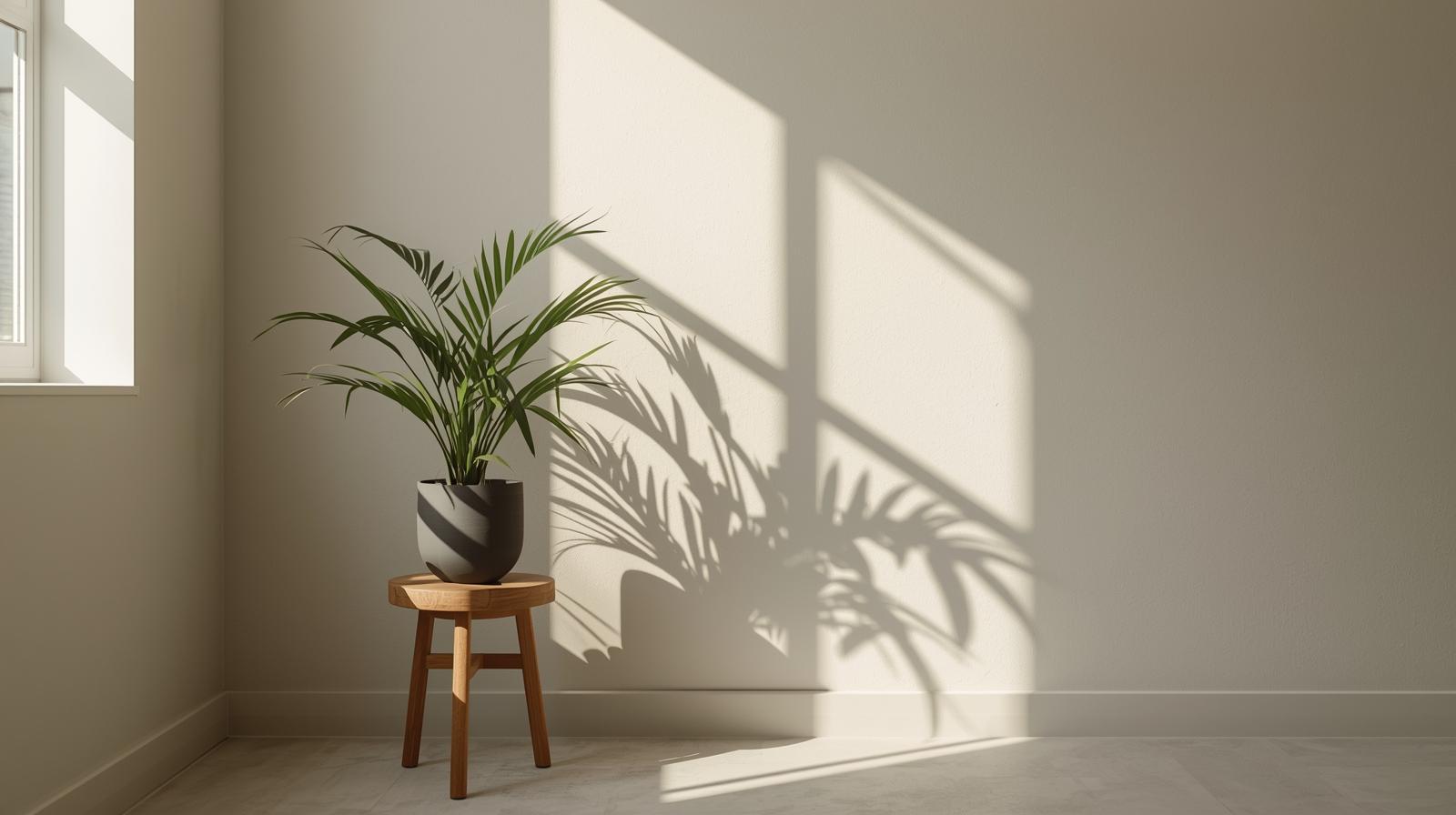
Start here: sit in your most-used room for five minutes without your phone. Where do your eyes land when they tire? If it’s a blank wall or a blinking router, that’s your signal. You don’t need a jungle—just one living thing that reminds you the world is still breathing.
“Look deep into nature, and then you will understand everything better.” — Albert Einstein
Beyond Potted Plants: The Layers of Biophilic Design
True biophilic design goes deeper than a snake plant in the corner. It’s about weaving nature into the very rhythm of your space—through light, texture, sound, and form.
Think in layers. Direct nature: real plants, water, fresh air. Indirect nature: wood grain on a shelf, linen curtains that flutter like wings, a ceramic vase with the roughness of river clay. Then, space itself—openness that mimics a clearing, or a nook that feels like a burrow.
Try this: run your fingers over your walls, your table, your rug. Do they feel alive? Or inert? Swap one synthetic item this week for something that carries the memory of earth—cork, stone, unbleached cotton.
Architecture That Breathes
Traditional homes knew this instinctively. Japanese engawa blurred the line between inside and out. Moroccan riads centered on courtyards where light and birdsong pooled like water. Even old European farmhouses had deep windowsills—perfect for herbs, for resting elbows, for watching rain.
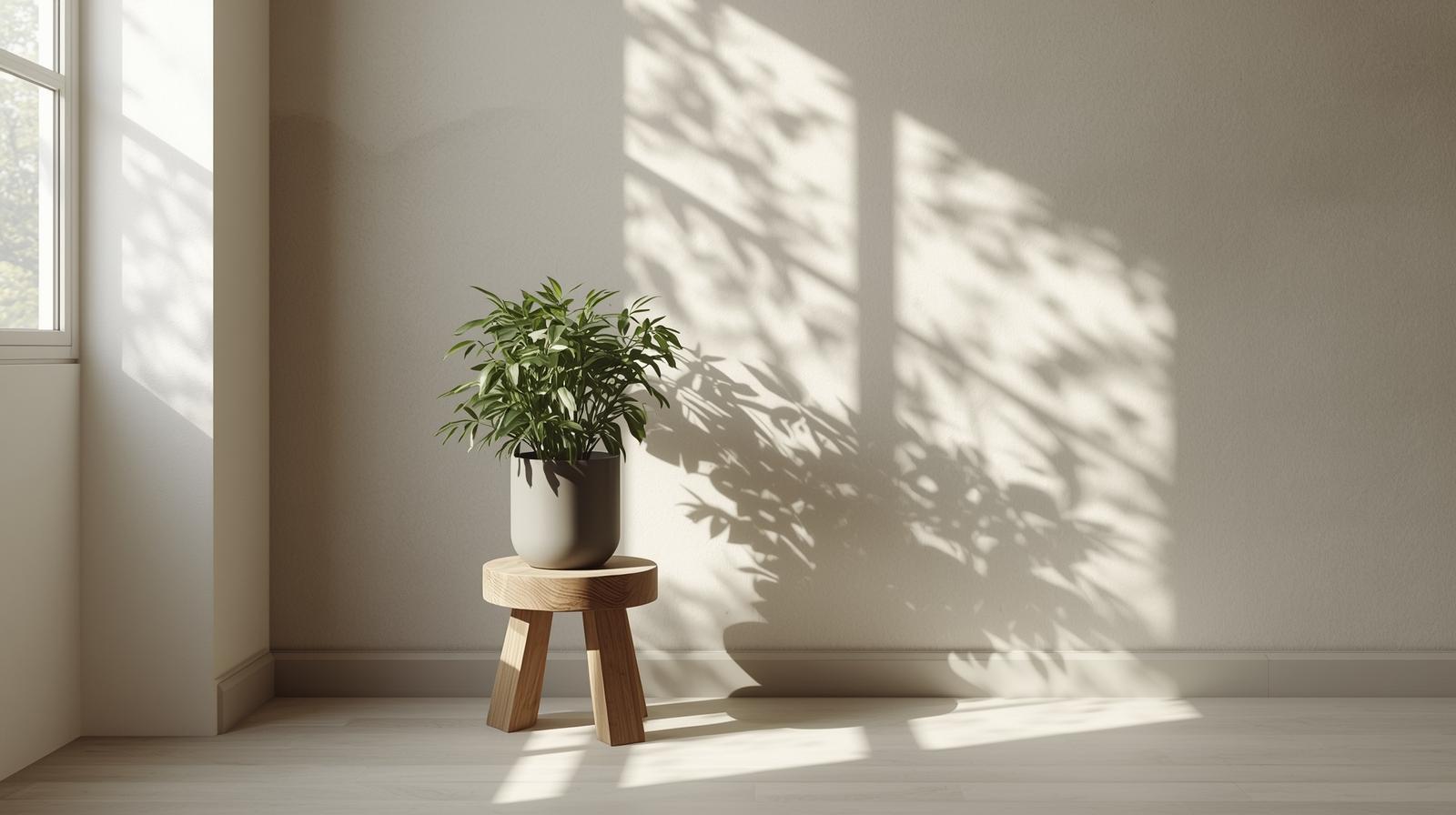
Your windows are more than glass. They’re circadian anchors. East-facing light in the morning signals your body to wake gently. North light stays cool and steady—ideal for reading, for calm.
Hang sheer linen panels. Not to block the view, but to soften it. Watch how they catch the breeze, how they turn harsh noon sun into a diffuse glow. (And listen—the whisper of fabric is its own kind of forest sound.)
The Alchemy of Small Spaces
You don’t need square footage. You need intention.
A single pothos trailing from a high shelf becomes a living curtain. A cluster of air plants on a driftwood mount turns dead wall space into a miniature ecosystem. In tight quarters, verticality is your ally—see our guide to living walls for small spaces for modular, low-commitment ideas.
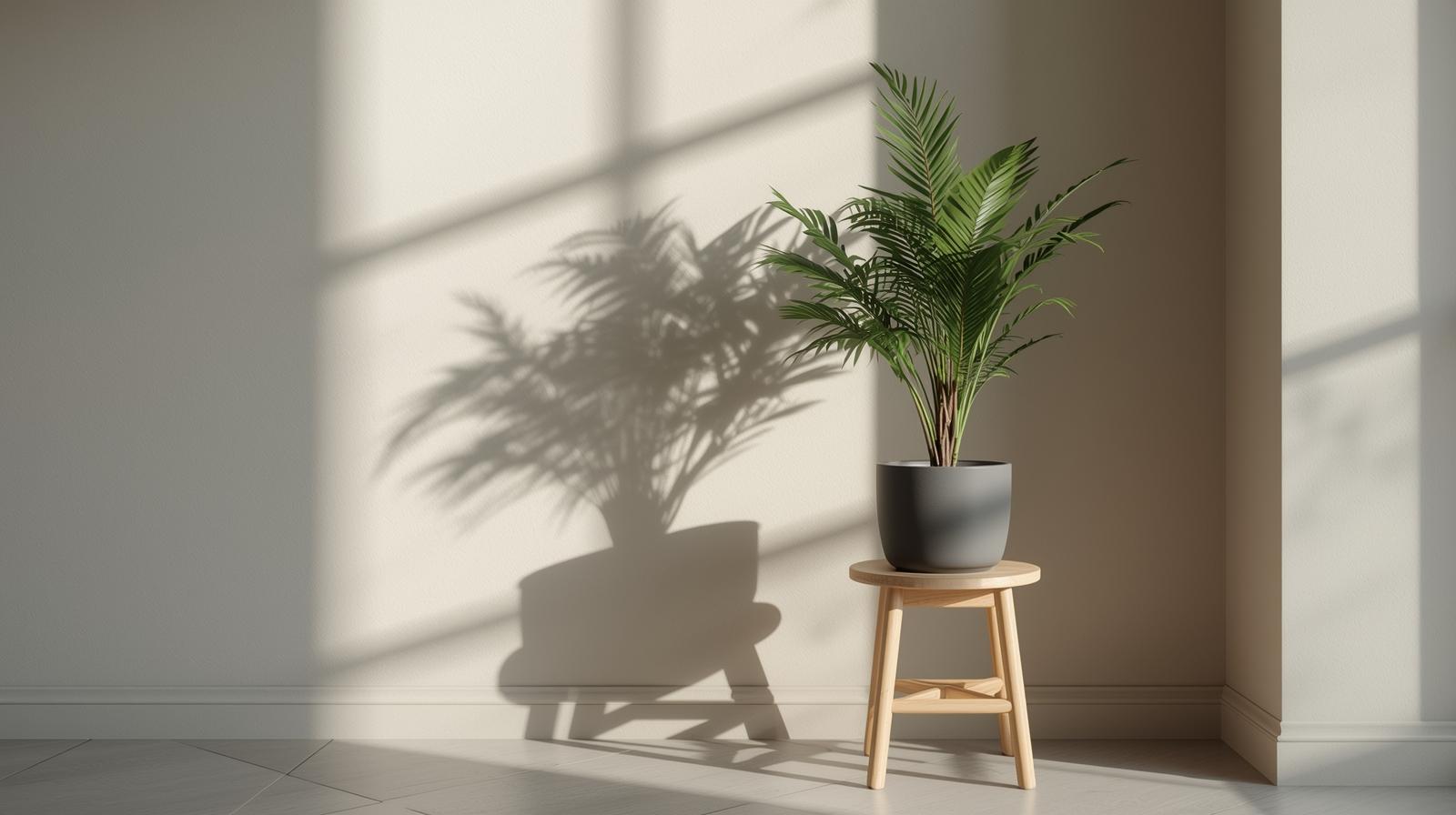
Leave room around your greenery. Don’t crowd it with books or trinkets. Let the plant occupy its own breath of space. This isn’t minimalism—it’s respect.
Make tending it a ritual. Not a chore. Water only when the top inch of soil feels dry—not by the calendar, but by touch. Feel the weight of the pot before and after. Notice how the leaves angle toward the light over days. This is how presence grows.
When Nature Meets Workflow
Your desk doesn’t have to feel like a cockpit. A small peace lily on the edge softens the hard lines of your monitor. Its waxy leaves gather dust, yes—but they also filter benzene and formaldehyde, invisible stressors from printers and plastics.
Studies show that even glancing at a plant during a mental lull can reset focus. Not because it’s “productive,” but because it reminds you: life continues, quietly, outside the urgency of your to-do list.
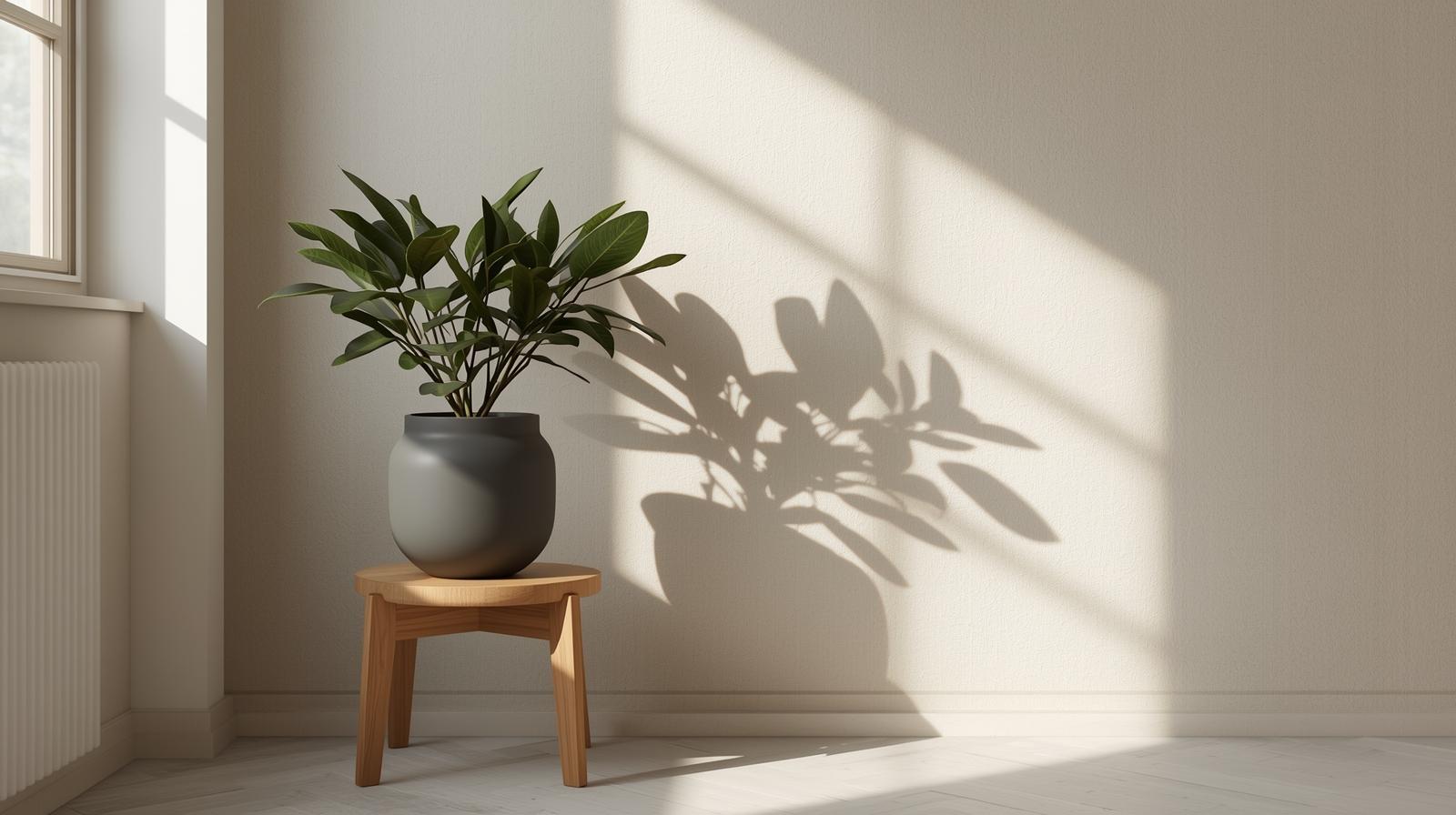
For low-light offices, the ZZ plant is nearly indestructible—its thick stems store water like a desert traveler. Pair it with a smooth river stone paperweight. Or tuck a small bowl of dried lavender nearby. Scent, too, is memory. And memory is refuge.
For more resilient options that thrive under fluorescent lights, explore our curated picks in office plants for productivity.
Cultivating a Personal Sanctuary
Your sanctuary isn’t defined by square footage or style—it’s where your breath returns to its natural rhythm. Often, it’s just one chair. One window. One plant that’s been with you through seasons.
Design it like a monk would: with nothing extra. A floor cushion. A wool throw. A single stem in a bud vase. Maybe a small tray holding a candle, a smooth stone from your last walk, and a sprig of rosemary.
This is the heart of biophilic living—not accumulation, but alignment. Rotate elements with the seasons. In winter, bring in pine boughs. In spring, a vase of foraged cherry blossoms. Let your space reflect the world outside, even if you’re only glimpsing it through glass.
And if your plant drops a leaf? Don’t panic. Decay feeds new growth. Imperfection is part of the contract.
To shape your own retreat, start with the fundamentals in designing a zen corner—a place where stillness isn’t forced, but invited.
Common Questions
Is biophilic design just a trend?
No—it’s a return. While the term is modern, the impulse is ancient. From Roman atrium gardens to Indigenous earth-integrated dwellings, humans have always woven nature into shelter. Today’s urgency comes from how deeply we’ve unlearned this.
Can I practice biophilic design without plants?
Yes. Use natural materials—wood trays, wool throws, stone coasters. Choose art that echoes organic forms: hand-drawn botanicals, abstract watercolors of clouds, woven wall hangings with irregular textures. Even a bowl of pinecones or seashells activates our sensory memory of wild places.
How do I start if I’ve killed every plant I’ve owned?
Begin with forgiving ambassadors: snake plants, pothos, or air plants. But more importantly, start by observing. Sit near a window for five minutes daily. Notice how light moves. Touch tree bark on your walk. Biophilia begins with attention, not ownership.
Does it work in windowless rooms?
Imperfectly—but creatively. Use full-spectrum lighting on timers that mimic sunrise and sunset. Hang textiles with organic, non-repeating patterns. Play subtle nature soundscapes: distant rain, forest dawn. And visit real nature weekly—your body will carry that calm back inside.